In an industry long dominated by pink dolls and kitchen sets, one toy company dared to ask a bold question: what if playtime could spark a passion for engineering? Enter GoldieBlox, a trailblazing brand that redefined how toys can shape futures, empowering girls to see themselves as builders, inn...
In an industry long dominated by pink dolls and kitchen sets, one toy company dared to ask a bold question: what if playtime could spark a passion for engineering? Enter GoldieBlox, a trailblazing brand that redefined how toys can shape futures, empowering girls to see themselves as builders, innovators, and problem-solvers. What started as a niche idea became a global movement, generating millions in revenue, landing Super Bowl ads, and even signing Disney deals—all while tackling one of the toughest challenges in STEM: gender imbalance.
The vision behind the brand
• GoldieBlox was founded in 2012 by engineer Debbie Sterling, who recognized that fewer than 15% of engineers were women.
• She wanted to disrupt stereotypes by creating toys that combined storytelling with hands-on building, introducing young girls to problem-solving and mechanical thinking.
• Sterling’s guiding principle was simple yet powerful: when girls see themselves reflected in engineering toys, they are more likely to imagine a future in STEM.
Turning play into purpose
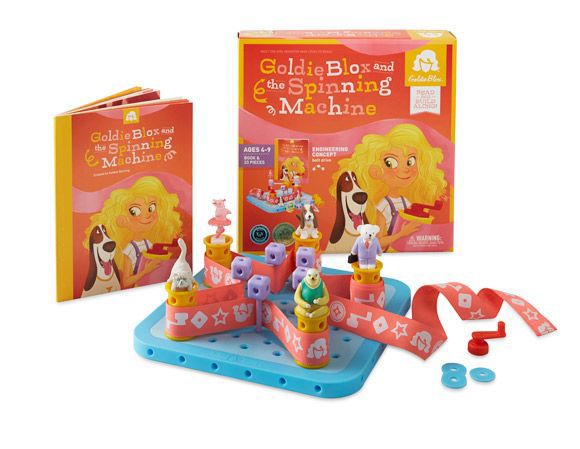
• The flagship GoldieBlox toy featured a young girl inventor named Goldie, whose stories inspired kids to build contraptions that solved real-world problems.
• Unlike traditional toys for girls, GoldieBlox put creativity and engineering skills at the center, blending fun with learning.
• This unique approach resonated with parents seeking alternatives to gendered toys, positioning the brand as both socially impactful and commercially viable.
Scaling to mainstream success
• GoldieBlox skyrocketed into the limelight when it won a small business contest, earning a coveted Super Bowl ad slot in 2014.
• The ad showcased young girls using GoldieBlox to break stereotypes, reaching millions of households and cementing the brand’s identity as a cultural disruptor.
• Subsequent partnerships with Disney expanded the toy line into storytelling universes, bringing more visibility and legitimacy to the mission.
Impact on STEM representation
• GoldieBlox went beyond toys, evolving into a multimedia brand with apps, books, and digital content designed to inspire curiosity in science and engineering.
• Its campaigns highlighted real women in STEM, showing girls role models they could aspire to be.
• Over time, the brand’s influence contributed to broader conversations about diversity and inclusion in STEM education and careers.
Facing challenges and finding resilience
• Like many mission-driven startups, GoldieBlox faced challenges in balancing profitability with purpose. The toy industry’s competitive nature and evolving digital trends tested its model.
• Yet the brand leaned into digital media and partnerships to adapt, proving its resilience and relevance in a rapidly changing market.
• Its comeback story isn’t just about surviving—it’s about thriving by staying true to its mission of empowerment.
Key takeaway for the future
• GoldieBlox is a shining example of how a business can merge commerce with cause, showing that products built on purpose can resonate with millions.
• The brand underscores that toys are never just toys—they are cultural tools that shape how children see the world and themselves.
• By reimagining play, GoldieBlox helped reimagine possibilities for an entire generation of girls in STEM.
Source: Forbes, TechCrunch, Fast Company