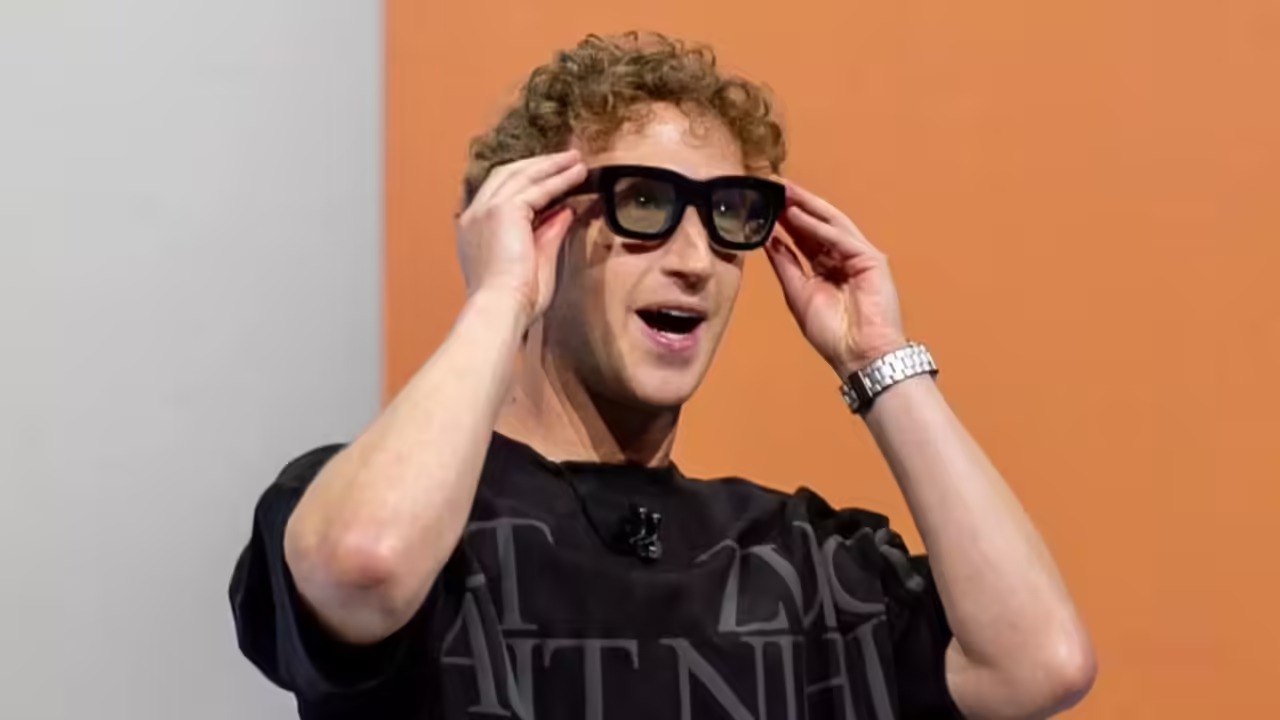
Mark Zuckerberg is rewriting the rules of tech recruitment. In a high-stakes race to build artificial superintelligence, the Meta CEO is personally offering $100 million-plus compensation packages to a handpicked group of elite AI researchers. This isn’t just a hiring spree—it’s...
Mark Zuckerberg is rewriting the rules of tech recruitment. In a high-stakes race to build artificial superintelligence, the Meta CEO is personally offering $100 million-plus compensation packages to a handpicked group of elite AI researchers. This isn’t just a hiring spree—it’s a strategic talent war, and the qualifications required to make Zuckerberg’s shortlist are as rarefied as the offers themselves.
Key highlights from the recruitment strategy
1. Zuckerberg is personally involved in vetting candidates, often reaching out via email, text, or WhatsApp after reviewing technical papers
2. The hiring is focused on building Meta’s new Superintelligence Lab, aimed at developing AI systems that surpass human capabilities
3. Offers have reached up to $250 million for top-tier talent, with $100 million paid in the first year in some cases
What makes the cut: qualifications and credentials
- PhDs from elite institutions such as MIT, Stanford, Berkeley, and Carnegie Mellon are common among recruits
- Candidates typically specialize in niche AI domains like algorithm design, multimodal systems, and deep learning architectures
- Prior experience at leading AI labs such as OpenAI, Google DeepMind, Anthropic, or Apple’s AI division is a major plus
- Strong mathematical foundations in calculus, linear algebra, and probability theory are considered essential
- Published research in top-tier conferences like NeurIPS, ICML, and CVPR is often a prerequisite
- Many candidates have led or contributed to breakthrough projects in generative AI, robotics, or autonomous systems
The List: Zuckerberg’s secret weapon
Meta’s internal recruitment tool, known as The List, is a curated database of the most promising AI minds. It includes researchers in their 20s and 30s who are already well-known within the tight-knit AI community. These individuals often know each other, collaborate on papers, and share job offers in private Slack and Discord groups.
Zuckerberg, along with two Meta executives, uses a group chat dubbed Recruiting Party to discuss outreach strategies and candidate profiles. The approach is highly personalized, with Zuckerberg sometimes inviting candidates to private meetings at his homes in Palo Alto or Lake Tahoe.
The allure: why top minds are tempted
- Meta offers unlimited access to compute resources, including cutting-edge GPUs and massive data farms
- Researchers are promised full autonomy to pursue ambitious projects without budget constraints
- The chance to lead efforts in building superintelligence is a powerful motivator, especially for those driven by legacy and impact
- Meta’s open-source philosophy, exemplified by its Llama model, appeals to scientists who value democratized AI
Challenges and resistance
Despite the eye-popping offers, not all candidates are swayed. OpenAI’s CTO reportedly sent an open letter urging employees not to accept Meta’s proposals. Some researchers have declined packages exceeding $1 billion, citing concerns over Meta’s internal structure and long-term vision.
Meta’s reputation in AI has faced scrutiny, with delays in model rollouts and criticism over performance benchmarks. Still, the company has successfully recruited key figures like Alexandr Wang, the 28-year-old founder of Scale AI, who now leads Meta’s superintelligence efforts.
The bigger picture: a global talent war
Zuckerberg’s aggressive hiring tactics have intensified competition across Silicon Valley. Companies like OpenAI, Google, and Anthropic are countering with their own mega-offers and retention strategies. The race to build superintelligent AI is no longer theoretical—it’s unfolding in real time, and the winners may shape the future of humanity.
This recruitment saga is more than a headline—it’s a glimpse into the evolving power dynamics of tech, where talent is the ultimate currency and visionaries like Zuckerberg are willing to spend billions to secure it.
Source: Times of India, Business Standard, MSN, CGTN, Wall Street Journal