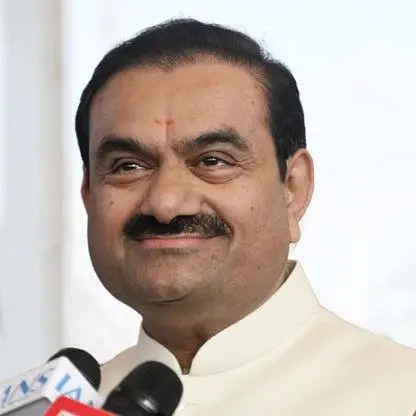
TMC National General Secretary Abhishek Banerjee arrived in Delhi amid intense speculation of a parliamentary revolt following the party's defeat in the 2026 West Bengal elections. Dissident MPs are reportedly planning to reject his leadership, mirroring an ongoing split in the state assembly where 58 MLAs formed a splinter group.
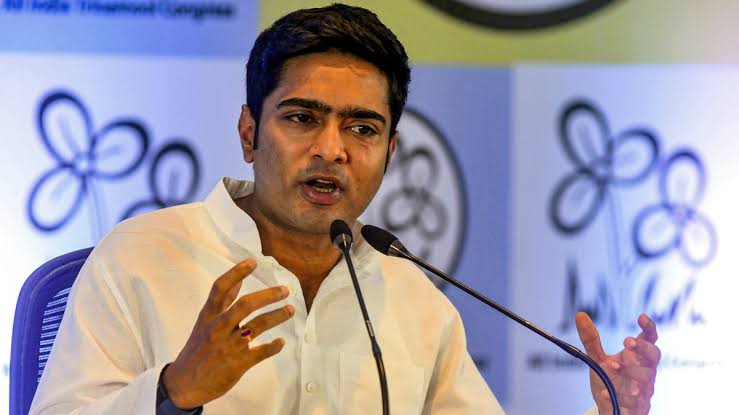
NEW DELHI — Trinamool Congress (TMC) National General Secretary Abhishek Banerjee arrived in the national capital on Saturday, June 6, 2026, amid intensifying speculation regarding a potential revolt within the party's parliamentary ranks. The visit, officially tied to an upcoming INDIA bloc meeting scheduled for June 8, comes at a critical juncture for the party following its significant defeat in the 2026 West Bengal Assembly elections. Sources within the party indicate that the Diamond Harbour MP's presence in Delhi is also aimed at containment, as a faction of dissident lawmakers reportedly prepares to formally challenge his authority before the Lok Sabha Speaker.
Rebel Lawmakers Move to Dislodge Leadership
The internal crisis, which began in the state assembly last month, has now reached the corridors of Parliament. According to sources close to the development, a group of rebel TMC Members of Parliament (MPs) is planning to submit a formal letter to Lok Sabha Speaker Om Birla. The missive reportedly informs the Speaker that the signatories no longer recognize Abhishek Banerjee as their parliamentary leader in the lower house.
This move follows the dramatic split in the West Bengal Legislative Assembly, where a splinter group of 58 out of 80 TMC MLAs has already been recognized as a distinct bloc. The rebels, led by figures such as Sandipan Saha and Ritabrata Banerjee, have cited a "shrinking space for dissent" and the "corporate-style functioning" of the party as primary reasons for their departure.
Internal Resentment Over Post-Election Conduct
The discontent within the party’s parliamentary wing appears to be a direct spillover from the assembly election debacle on May 4, 2026, which ended the TMC's 15-year rule in West Bengal. Veteran leaders have privately expressed humiliation over instructions following the defeat.
Official reports from the rebel camp suggest that at a post-election meeting, senior legislators—some in politics longer than Abhishek Banerjee has been alive—were allegedly instructed to accord him a standing ovation rather than question the strategic failures of the campaign.
Furthermore, long-standing friction over the party’s reliance on the consultancy firm I-PAC has reached a breaking point. Dissidents claim that the outsourcing of party operations undermined local leadership and created an inaccessible power center at Banerjee’s Camac Street office, away from Chief Minister Mamata Banerjee’s traditional Kalighat residence.
Security Controversy and Clarification
Adding to the friction of the Delhi visit was a controversy regarding Banerjee's personal safety. Following an attack on May 30 in South 24 Parganas, where the MP was targeted with stones and eggs during a public visit, reports surfaced claiming he had sought central security cover from the Union Government.
Abhishek Banerjee took to social media on Saturday to issue a sharp denial. "A section of the media is reporting that I have sought central security cover following the attack on me in Sonarpur... This claim is entirely baseless," he wrote on X. He instead urged security agencies to focus on the safety of ordinary citizens in West Bengal following recent reports of post-poll violence.
Official Sources Section
The information regarding the internal party developments and the Delhi visit is based on the following official and reported channels:
Party Statements: Social media communications from Abhishek Banerjee’s verified accounts and official TMC media briefings in Kolkata.
Parliamentary Records: Notices and informal briefings regarding the planned submission to the Lok Sabha Speaker’s office.
Election Data: Final seat tallies and official recognition of the splinter group by the West Bengal Assembly Speaker following the May 2026 polls.
Agency Reports: Updates from the Enforcement Directorate (ED) regarding ongoing financial inquiries involving party leadership.
Quote Section
The atmosphere within the party remains tense, with senior leaders expressing a mix of loyalty and frustration.
"According to officials within the rebel camp, the breaking point was not the election loss itself, but the demand for absolute fealty and the silencing of senior voices who built the party from its grassroots."
The party's national leadership, however, continues to frame the situation as a product of external pressure.
"Organizers stated that the TMC remains a cohesive force and that the current narrative of 'revolt' is being amplified by political opponents through investigative agencies and misinformation."
Why It Matters
The potential split in the TMC’s parliamentary ranks has far-reaching consequences for both regional and national politics:
National Opposition Strength: As the second-largest opposition party in the Lok Sabha, any formal split in the TMC weakens the collective bargaining power of the INDIA bloc.
Governance in Bengal: With the TMC losing its majority in the state assembly and facing a "hijacked" legislative wing, the party's ability to function as an effective opposition to the BJP-led state government is in jeopardy.
Leadership Succession: The revolt specifically targets the elevation of Abhishek Banerjee, calling into question the long-term succession plan envisioned by party supremo Mamata Banerjee.
Key Facts at a Glance
Delhi Visit: Abhishek Banerjee is in the capital for an INDIA bloc meeting but faces a looming challenge to his parliamentary leadership.
Legislative Split: 58 out of 80 TMC MLAs in West Bengal have already formed a recognized splinter group in the state assembly.
Parliamentary Challenge: Rebel MPs are reportedly moving to inform the Lok Sabha Speaker that they no longer accept Banerjee as their leader.
Security Denial: Banerjee has officially denied seeking central security cover following a recent physical attack in Sonarpur.
Election Context: The crisis follows the party's historic defeat in the 2026 West Bengal Assembly elections, where it lost power after 15 years.
FAQ Section
Why is Abhishek Banerjee in Delhi today?
Officially, he is in Delhi to participate in a meeting of INDIA bloc leaders scheduled for June 8. However, the visit is overshadowed by reports of TMC MPs preparing a formal revolt against his leadership.
Has Abhishek Banerjee sought central security cover?
No. Banerjee clarified on June 6, 2026, that reports suggesting he sought security from the Centre are "entirely baseless," though he has urged for better protection of ordinary citizens in Bengal.
What is the status of the TMC after the 2026 elections?
The party lost the West Bengal Assembly elections to the BJP on May 4, 2026. Since then, it has faced a major internal crisis, with more than half of its MLAs forming a recognized splinter group in the state assembly.
What do the rebels want?
Dissidents cite a lack of internal democracy, over-reliance on the consultancy firm I-PAC, and the perceived marginalization of veteran leaders in favor of Abhishek Banerjee as the primary drivers of the rebellion.
Source: Press Trust of India (PTI), ANI National News Bulletins, Official X account of Abhishek Banerjee, and West Bengal Legislative Assembly records.