




Loading market data...
ADVERTISEMENT

Latest Top News
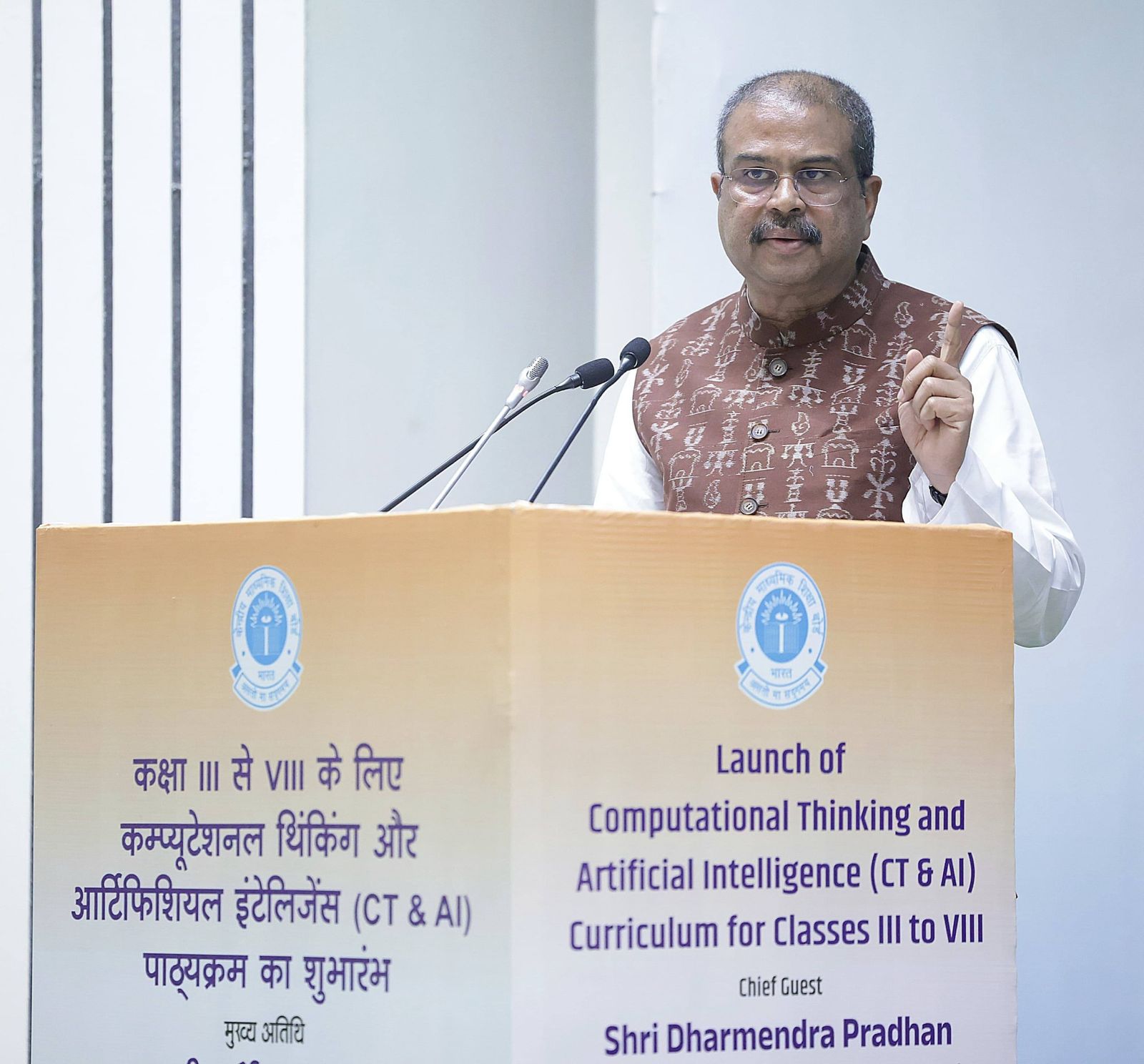
AI-powered classrooms mark India’s education modernization milestone
The Ministry of Education and CBSE have introduced a new AI and computational thinking curriculum for Classes 3–8. Designed to build problem-solving, logical reasoning, and digital literacy, the program includes textbooks, teacher handbooks, and digital resources. It marks India’s first structured AI education initiative for school students.
Stay Ahead – Explore Now! Anthropic President Warns AI Could Face Social Media-Style Bans
ADVERTISEMENT

Latest Updates

Kikkoman Plans First India Soy Sauce Manufacturing...
16 Jun 2026, 05:58 AM
The Street Food Superhero: Puchkaman Scales 150% a...
16 Jun 2026, 12:11 AM
The Silence Value: Luxury Travellers Shift to Soft...
16 Jun 2026, 12:08 AM
The Great Tech Wake-Up Call: India Must Invest to...
16 Jun 2026, 12:01 AM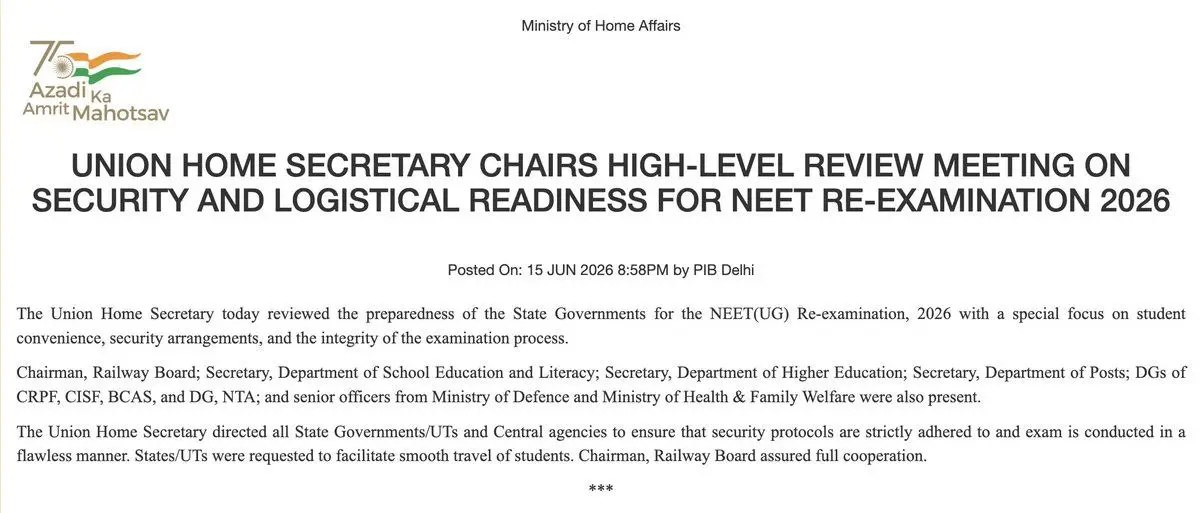
High-Stakes Health Check: Home Secretary Reviews N...
15 Jun 2026, 11:58 PMADVERTISEMENT

Top Stories
Kikkoman Plans First India Soy Sauce Manufacturing...
16 Jun 2026, 05:58 AM
The Street Food Superhero: Puchkaman Scales 150% a...
16 Jun 2026, 12:11 AM
The Silence Value: Luxury Travellers Shift to Soft...
16 Jun 2026, 12:08 AM