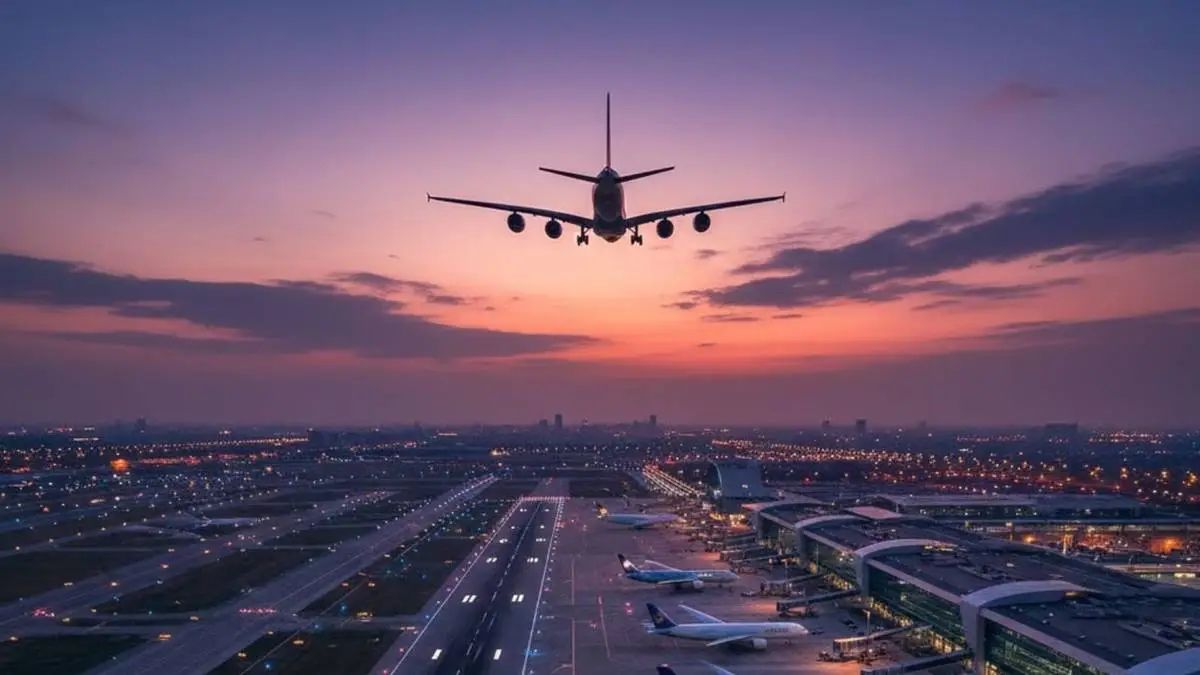
Airport operators are urging the Ministry of Civil Aviation to end the 25% reduction in domestic airline landing and parking fees. Initially introduced in April 2026 to offset fuel price spikes, operators now argue the relief is straining essential infrastructure maintenance, creating cash flow mismatches that threaten operational long-term sustainability.
NEW DELHI — Airport operators in India are intensifying their call to the Ministry of Civil Aviation (MoCA) to end the 25% reduction in landing and parking charges for domestic airlines, a measure that was implemented in April 2026 to help carriers cope with the impact of the ongoing West Asia crisis. As the three-month relief window approaches its conclusion, the Airport Operators Association of India (APAO) has signaled that the policy has outlived its purpose and is now creating significant financial strain on the country's aviation infrastructure.
The fee reduction, which has been in effect since April 2026, was designed as a temporary "breathing room" for carriers facing volatile Aviation Turbine Fuel (ATF) prices and rerouting challenges caused by geopolitical tensions. However, airport operators now contend that the policy, while well-intentioned, has disrupted their ability to manage essential overheads such as security, safety standards, and infrastructure maintenance.
The Financial Pressure on Infrastructure
The aviation ecosystem in India is currently grappling with a "sustainability paradox." While airlines face high fuel costs, airport operators face non-deferrable fixed costs. According to industry reports, the uniform nature of the 25% fee reduction has led to a revenue shortfall for airports, which must still honor their contractual obligations to the Airports Authority of India (AAI) and other stakeholders.
"Airport operators have maintained that while the initial intervention was necessary to stabilize the sector, the sustained reduction in landing and parking charges is now impeding the financial viability of ground infrastructure," according to officials familiar with the discussions. Operators argue that because their operational expenditures remain constant regardless of flight volume or revenue fluctuations, the extended relief is no longer tenable.
Impact on Future Tariff Reviews
The relief measure included a provision for the "true-up" of revenue shortfalls during future tariff determinations. However, airport operators remain concerned about the immediate cash flow mismatch. With debt-servicing obligations and rising maintenance costs in the face of summer operations, the operators are advocating for an immediate return to standard tariffs to ensure that safety, security, and quality benchmarks are not compromised.
Some industry stakeholders have suggested that if the government wishes to continue supporting domestic carriers, it should explore alternative mechanisms—such as adjusting User Development Fees (UDF)—rather than forcing airports to absorb a significant percentage of airline operational costs.
Why It Matters
For travelers and investors, the resolution of this dispute is a critical indicator of the government's strategy for maintaining a balanced aviation sector. The ongoing tension highlights the fragility of the domestic market when faced with high ATF prices and geopolitical instability. A return to standard fees is essential for airports to maintain their infrastructure, yet ending the relief could potentially lead to higher ticket prices if airlines pass on the increased landing costs to passengers.
Key Facts at a Glance
The Policy: A 25% reduction in landing and parking charges for domestic flights, active since April 2026.
Initial Intent: Provide relief to airlines hit by rising ATF prices due to the West Asia conflict.
Operator Position: The relief is causing cash flow mismatches and straining non-deferrable operational expenses.
Regulatory Mechanism: Any revenue shortfall under the current policy is slated for future tariff "true-ups."
FAQ
Why was the 25% fee reduction implemented?
The government introduced the reduction in April 2026 to help domestic airlines manage operational costs that spiked due to the ongoing West Asia crisis and subsequent volatility in global oil markets.
Are these fee cuts permanent?
No, the measure was enacted as a temporary three-month relief. Operators are now urging the government to allow the mandate to expire as originally planned.
How will this impact my airfare?
If the government decides to end the relief, airlines may see an increase in operating costs, which could potentially lead to adjustments in ticket pricing, though the impact will depend on competitive market conditions.
Source: Ministry of Civil Aviation, AERA, APAO