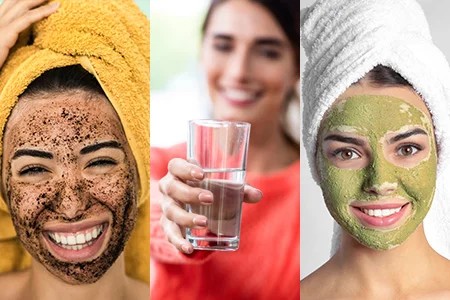
High humidity disrupts skin health by aggravating Pitta and Kapha doshas, leading to excessive sweat, sebum, and sudden breakouts. Ayurveda counteracts this congestion naturally by replacing harsh chemical cleansers with soap-free ubtans, cooling herbal mists like rose water, and ultra-lightweight hydrators like pure aloe vera gel.
MUMBAI, India — As rising humidity levels create challenging conditions for skin health across coastal and tropical regions, skincare experts are turning to ancient holistic systems to combat seasonal dermal stress. High atmospheric moisture mixed with heat frequently triggers oil gland overactivity, sweat accumulation, clogged pores, and inflammatory breakouts. To address these modern environmental shifts, traditional wellness practitioners have outlined structured frameworks utilizing time-tested Ayurvedic principles to naturally rebalance the skin’s delicate barrier without the use of harsh synthetic chemicals.
Understanding Humidity Through the Ayurvedic Lens
In Ayurvedic philosophy, environmental changes directly impact the body’s internal bio-energies, known as doshas. High humidity combined with heat represents a simultaneous spike in the Pitta (fire/water) and Kapha (water/earth) elements.
When atmospheric moisture rises, the skin struggles to evaporate sweat efficiently, leading to a build-up of metabolic salts and environmental pollutants on the dermal surface. According to clinical consultants, this environmental trap aggravates Pitta, manifesting as redness, sensitivity, and acne. Concurrently, it stimulates Kapha, resulting in excessive sebum production, blackheads, and skin congestion. Rather than stripping the skin with aggressive alcohols or acids, Ayurveda seeks to calm these localized imbalances using cooling, purifying, and astringent botanicals.
Core Rituals to Shield and Detoxify Sticky Skin
To maintain a clear and vibrant complexion under heavy humidity, practitioners recommend a dedicated daily protocol (dinacharya) tailored to clear sweat-induced congestion:
1. Soap-Free Purification (Cleansing)
Traditional wisdom counsels against foaming cleansers that strip the skin's moisture barrier, which ironically triggers more oil production. Instead, a natural ubtan (herbal paste) made from chickpea flour (besan) or green gram flour (moong dal) mixed with a pinch of antibacterial turmeric (haldi) and cooling rose water forms the ideal base. This effectively absorbs excess sebum while gently lifting impurities.
2. Herbal Steam Therapy (Swedana)
Weekly home steaming sessions using water infused with fresh neem leaves, tulsi, or dried rose petals are highly recommended. Allowing the herbal steam to penetrate the face for five to ten minutes thoroughly opens congested pores, flushes out deeply embedded toxins, and enhances localized microcirculation.
3. Structural Cooling with Mists and Toners
To immediately lower the skin's surface temperature and tighten expanded pores, individuals should deploy natural astringents throughout the day. Chilled pure rose water or cucumber extract mists act as instant anti-inflammatory agents that calm Pitta-induced redness and restore the skin’s natural pH balance.
4. Lightweight, Non-Greasy Hydration
A common error is skipping hydration entirely due to sticky weather. Ayurveda emphasizes that dehydrated skin will overproduce oil to compensate. Practitioners advise swapping heavy winter creams for lightweight, water-based moisture protectants, such as pure aloe vera gel or non-comedogenic herbal base oils like cooling coconut oil or deep-penetrating sesame oil applied minimally before a bath.
Official Sources Section
Seasonal wellness regimens and botanical data are aligned with public monographs published by the Ministry of Ayush, which regulates traditional medicine standards in India. Clinical observation methodologies regarding skin types can also be verified via institutional repositories like the Central Council for Research in Ayurvedic Sciences (CCRAS).
Quote Section
"According to officials from prominent wellness research councils, managing skin health in humid microclimates requires a strategic shift from aggressive topical stripping to internal cooling. When external humidity traps dirt, relying on raw, botanical anti-inflammatory agents like sandalwood, neem, and aloe vera preserves the skin's natural protective lipid layer while effectively curbing microbial proliferation."
Why It Matters
For everyday consumers, transitioning to natural remedies offers an affordable, chemical-free method to protect skin from seasonal acne and heat rashes without risking long-term dermal thinning. For the global clean-beauty market, the rising demand for non-synthetic, humidity-resilient solutions highlights a broader commercial shift toward sustainable, plant-based formulations rooted in ancient science.
Key Facts at a Glance
Dosha Impact: High atmospheric humidity simultaneously aggravates Pitta (causing redness and acne) and Kapha (causing excess oil and clogged pores).
The Soap Alternative: Natural ubtans utilizing chickpea flour, sandalwood, and turmeric cleanse deeply without triggering compensatory oil overproduction.
Astringent Action: Chilled rose and cucumber waters serve as natural pore-tightening agents that instantly lower surface heat.
Hydration Rule: Dehydration exacerbates humidity-related skin problems; lightweight topicals like pure aloe vera gel are essential to lock in healthy moisture safely.
FAQ Section
Can I use oils on my skin when the weather is highly humid?
Yes, but you must choose lightweight, cooling options. Ayurveda recommends using minimal amounts of coconut oil or almond oil, which provide antibacterial properties and nourishment without clogging active pores.
How often should I wash my face during a humid day?
Whenever your skin feels excessively sticky or sweaty, wash it with cool or lukewarm plain water. Avoid using soap multiple times a day; instead, use a splash of water followed by a refreshing rose water mist.
What is the best Ayurvedic face pack for oil control in heavy humidity?
A cooling paste made by mixing Fuller's Earth (Multani Mitti) or pure sandalwood powder with fresh cucumber juice or rose water is highly effective at absorbing excess oils and calming irritation.
Source: Official guidelines from the Ministry of Ayush, seasonal dermatological advisories from Ayurvedic research institutes, and historical holistic texts preserved by the National Institute of Ayurveda.