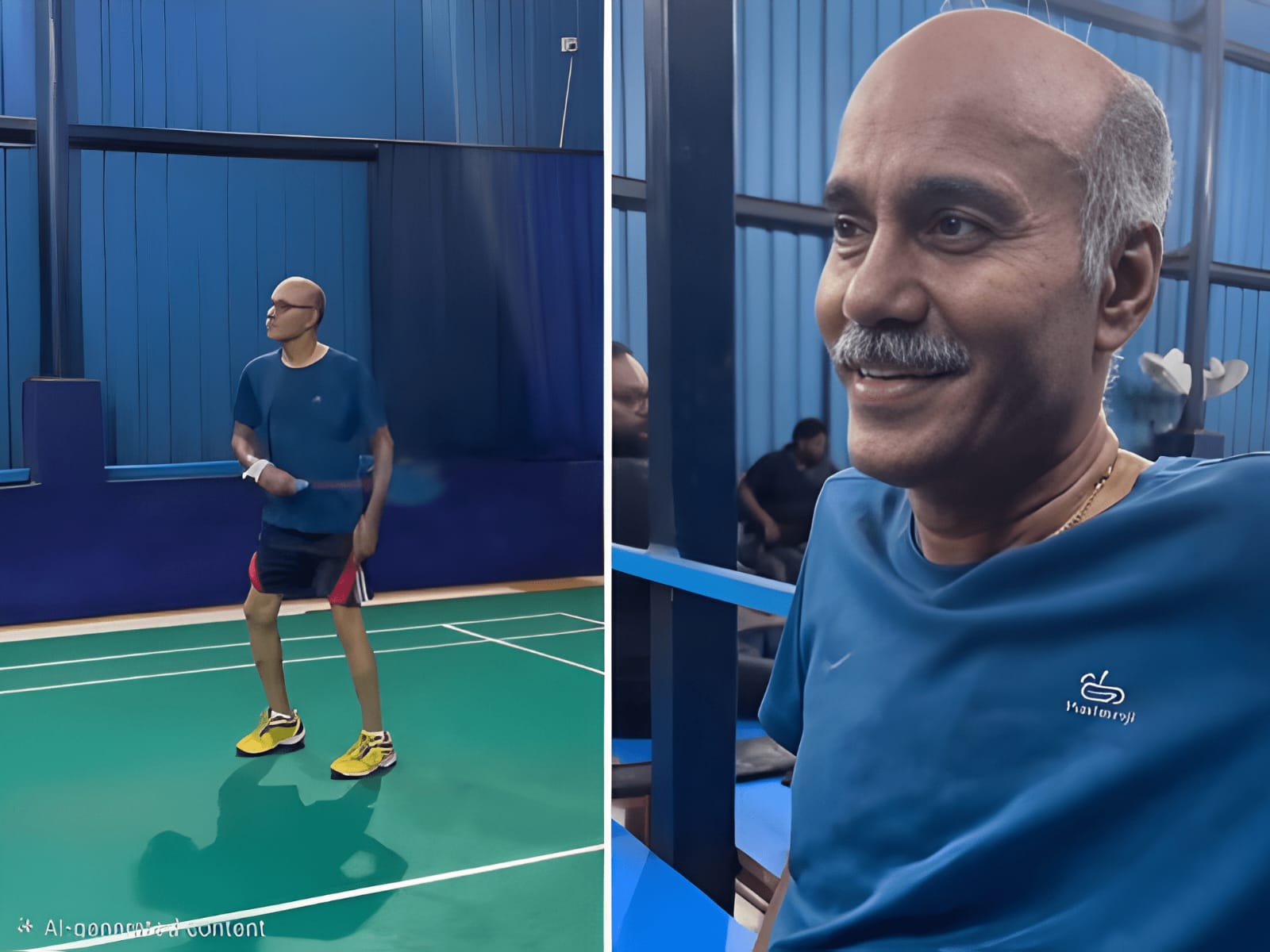
A 62-year-old Chennai man has become a viral symbol for healthy aging, proving that standard gym environments are completely optional for physical fitness. By combining disciplined morning stretches, evening badminton sessions, and a strict, timed diet of clean home-cooked Indian meals, he provides a simple, accessible blueprint for life-long wellness.
CHENNAI, India — In an era increasingly dominated by complex multi-tier gym memberships, expensive equipment, and restrictive dietary trends, a 62-year-old resident from Chennai is shifting local wellness perspectives by demonstrating that consistency outperforms institutional facilities. A viral digital case study published by content creator Jayachandran Tamilarasan has brought widespread attention to the senior citizen's minimalist, high-discipline lifestyle. The development has sparked crucial public conversations regarding geriatric health, proving that structural physical mobility and longevity can be successfully maintained without formal weight-training regimens.
Prioritizing Functional Movement Over Weight Training
The 62-year-old individual, who maintains a remarkably lean and energetic build, revealed that his physical shape relies entirely on simple, functional movements. He noted that his fitness routine explicitly skips traditional gym-based weight training in favor of low-barrier, consistent daily activities.
The movement architecture is split into two distinct parts:
Morning Mobility: The day starts with a structured sequence of basic, full-body physical stretches to optimize joint flexibility and alleviate stiffness.
Evening Cardiorespiratory Sport: The late-day routine features active sessions of badminton, ensuring natural agility, quick reflexes, and sustained aerobic health.
This routine directly correlates with standard global health guidance. According to clinical standards established by the World Health Organization (WHO), maintaining regular, low-impact sport or moderate aerobic activity for seniors over the age of 60 is critical to combat sarcopenia (age-related muscle loss), boost cardiovascular protection, and sharpen spatial balance to prevent dangerous accidental falls.
Timed Nutrition and Traditional Dietary Blueprints
Beyond basic active mobility, the individual’s physical longevity framework is anchored by strict dietary discipline and optimized rest. He maintains a highly predictable sleep schedule of precisely six hours per day to manage cortisol levels and maintain muscular recovery.
His nutritional intake is strictly timed, consisting exclusively of clean, home-cooked Indian meals that prioritize portion control and lean protein distribution:
The senior issued a vital warning directed specifically toward the younger generation, noting that heavy junk food consumption destroys organic physical well-being. He heavily emphasized that even modern vegetarian junk foods can compromise metabolic health if processed improperly.
Official Sources Section
Geriatric fitness data, age-appropriate metabolic blueprints, and healthy lifestyle guidance are structured according to standard institutional public safety frameworks verified by the World Health Organization (WHO) and localized nutritional guidelines handled by the ICMR-National Institute of Nutrition.
Quote Section
"According to officials and public health documentation analyzing senior longevity, complex equipment is not a requirement for standard physiological maintenance. Prioritizing consistent joint mobility flows, basic racket sports, and structured portion controls naturally preserves musculoskeletal alignment well into a individual's later decades."
Why It Matters
For ordinary citizens and aging consumers, this case study removes the financial and psychological barriers often linked to entering fitness spaces, proving health is attainable at home. For public health administrators, it underlines the massive institutional value of promoting community sports infrastructure and simple, traditional regional dietary choices over high-cost commercial lifestyle interventions.
Key Facts at a Glance
Zero Gym Footprint: The 62-year-old fitness enthusiast maintains an optimal, lean physique entirely without weight lifting or gym facilities.
Two-Step Active Plan: The operational routine balances morning stretching for joint health with evening badminton for cardiovascular response.
Timed Protein Diet: Food intake focuses heavily on traditional Indian items like idlis, channa, and chapatis while strictly executing portion control.
Mental and Rest Balance: The senior attributes disease prevention to proper sleep schedules and actively avoiding mental depression.
FAQ Section
Is weight lifting necessary to remain healthy after the age of 60?
No. While mild resistance is beneficial, functional movements like stretching, walking, and active racket sports like badminton effectively preserve muscle structure, joint health, and coordination without gym weights.
Why is badminton highlighted as an excellent exercise for seniors?
Racket sports require quick changes in direction and rapid reflexes, which help maintain high levels of bodily balance, coordination, and physical agility, reducing fall risks.
How does junk food impact the body as it ages?
Processed foods increase systemic metabolic stress, alter lipid levels, and accelerate cellular aging, even if the items are classified as vegetarian.
Source: Verified digital field reports, community fitness case studies, and senior mobility analyses featured within the Hindustan Times Lifestyle health index.