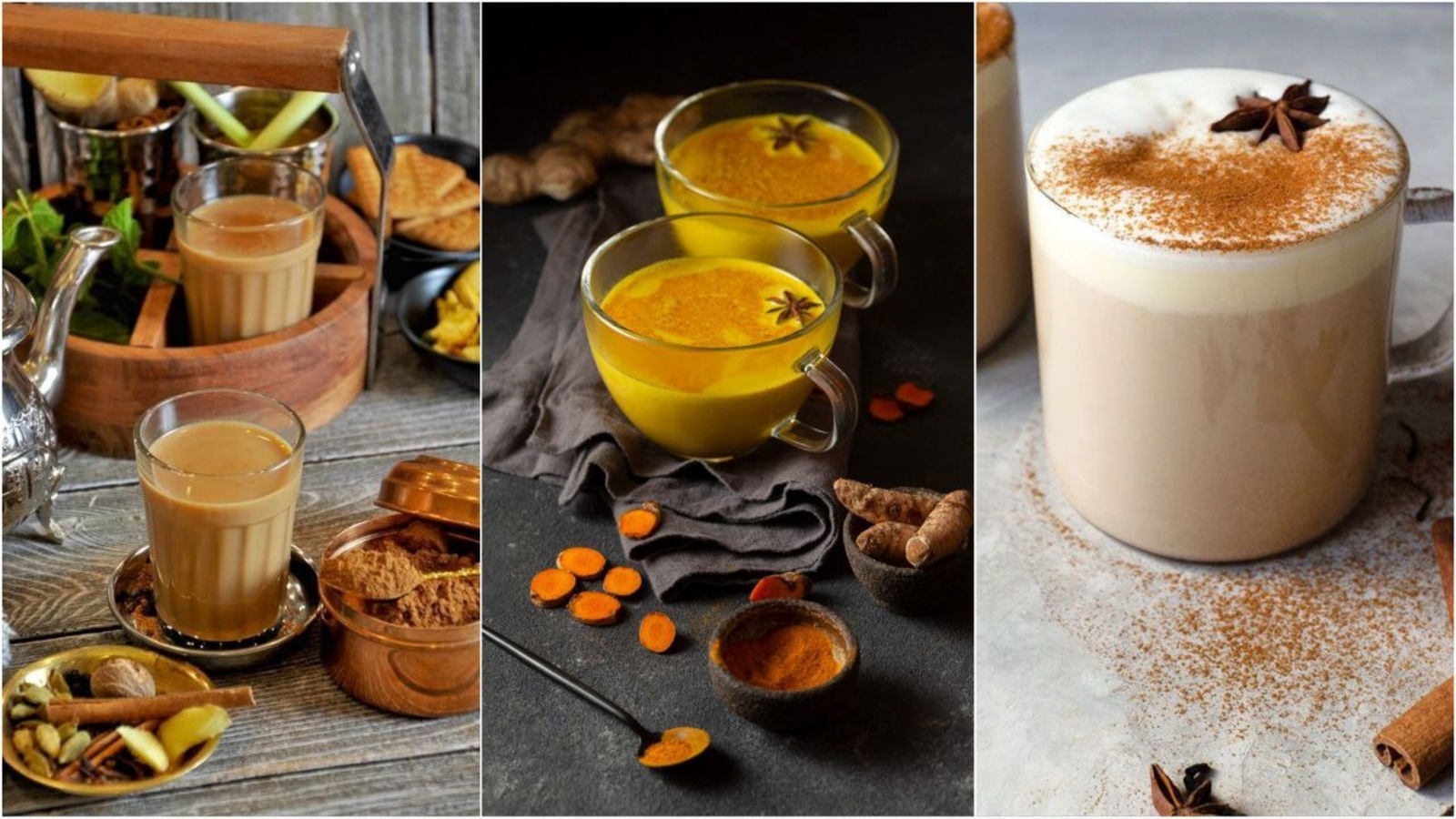
India’s rich tea landscape extends far beyond basic masala chai, encompassing diverse regional recipes shaped by local geography and culture. From Mumbai's intense Cutting Chai to Kerala's tangy Sulaimani and Kashmir's iconic pink Noon Chai, these eight traditional methods highlight the subcontinental mastery of functional, spice-integrated brewing.
MUMBAI, India — Across India, the daily preparation of tea transcends simple hydration, functioning as a deeply ingrained cultural ritual and a reflection of local geographic identities. While globally the term "chai" is often associated with a single variant of sweet, milk-based spiced beverage, the subcontinent boasts an expansive system of flavor profiles tailored to specific regional climates, lifestyles, and botanical availability. As international consumers and domestic households seek authentic culinary experiences, culinary experts have highlighted eight traditional tea recipes that capture the diverse heritage of India's tea landscape.
1. Mumbai's Street-Style Cutting Chai
Originating from the bustling roadside stalls of Mumbai, "Cutting Chai" is defined by its highly concentrated, high-intensity flavor. The name refers to the practice of serving a half-sized portion of incredibly strong, milky tea, perfect for a quick, mid-day energy boost.
To prepare Mumbai cutting chai, crush fresh ginger and green cardamom pods. Bring equal parts water and milk to a boil in a heavy saucepan, adding loose Crush-Tear-Curl (CTC) black tea leaves and sugar. The secret to its iconic punch lies in the extended simmering time, allowing the tea to reduce and develop a dark, robust, and highly aromatic profile before it is strained into small glass tumblers.
2. Kerala’s Tangy Sulaimani Chai
A stark departure from the milky blends of the north, Sulaimani Chai is a historic, golden-hued black tea popular along Kerala’s Malabar Coast. Believed to have Arab roots introduced via ancient spice trading routes, this beverage is traditionally consumed without milk, making it a celebrated post-meal digestive aid.
The recipe requires boiling two cups of water infused with small pieces of cinnamon, cardamom, and cloves for two minutes. Black tea powder is then added until the color shifts to a deep amber. Once removed from the flame, a generous squeeze of fresh lemon juice is stirred in, often finished with a fresh mint leaf to enhance its crisp, contrasting flavor system.
3. Kashmiri Noon Chai (Pink Tea)
Hailing from the chilly Himalayan valleys of Kashmir, Noon Chai (also known as Gulabi Chai) is prized for its unconventional dusty pink color and savory flavor profile. In the Kashmiri language, "Noon" translates directly to salt, which serves as a core ingredient alongside specialized green tea leaves.
Brewing authentic pink tea requires patience. Kashmiri green tea leaves are simmered in cold water alongside cinnamon, cardamoms, cloves, and a crucial pinch of baking soda. The alkaline baking soda reacts chemically with the tea's natural polyphenols under heat, causing the liquid to turn deep red. Whole milk is then poured in, transforming the mixture into a rich pink hue, which is seasoned with salt and garnished with crushed almonds and pistachios.
4. Classic North Indian Adrak Wali Chai
A staple across northern households during seasonal shifts, Adrak Wali Chai (Ginger Tea) is relied upon for its warming properties and therapeutic benefits to digestion.
The basic blueprint begins by boiling water with a heavily crushed or grated piece of fresh ginger root. Once the water absorbs the pungent, zesty ginger oils, CTC black tea leaves are added and boiled until dark. Milk and sugar are introduced near the end, allowing the mixture to rise to a rolling boil twice, creating a smooth balance between dairy sweetness and ginger heat.
5. Kashmiri Kahwa
Another gemstone from the northern mountains, Kashmiri Kahwa is a luxurious, golden-green tea variant typically served to guests during festive occasions or freezing winters.
Unlike Noon Chai, Kahwa is light and distinctly sweet. Green tea leaves are gently steeped in hot water with crushed green cardamom pods, cinnamon bark, and premium saffron strands. The saffron infuses the tea with a brilliant yellow color and floral aroma. It is sweetened naturally with honey and poured over a base of finely slivered almonds.
6. Earthy Tandoori Chai
A modern innovation that originated in Pune, Maharashtra, Tandoori Chai has quickly become a nationwide phenomenon due to its distinctive smoky aroma.
The technique relies on a unique preparation apparatus. While a standard spiced milk tea is brewed separately on a stove using lemongrass, mint, and tea masala, an empty clay pot (kulhad) is placed directly over an open flame or inside a tandoor oven until red hot. The hot tea is then poured directly into the smoking clay pot, causing it to violently froth over, instantly infusing the liquid with a rich, roasted earthiness.
7. Assamese Lal Chah
In the northeastern state of Assam, home to the world's most sprawling low-altitude tea gardens, locals often favor a minimalist approach known as Lal Chah (Red Tea).
This preparation highlights the unadulterated strength of premium indigenous black tea leaves. The tea is brewed simply by boiling water and loose leaves together until it reaches a dark red intensity. Free from any milk or heavy spices, it is minimally sweetened with sugar or raw jaggery (gur), presenting a bold, malty, and brisk taste structure.
8. Aromatic Elaichi Chai
Popularized widely across Central India and Gujarat, Elaichi Chai places green cardamom as the absolute focal point of the beverage, offering a softer, sweet-scented profile.
The preparation centers on fresh spice extraction. Several green cardamom pods are cracked open and boiled extensively in water alongside loose black tea. Once the sweet, clean aroma dominates the pot, whole milk and sugar are introduced. The mixture is simmered slowly to allow the cardamom's essential oils to chemically bond with the dairy lipids, creating an exceptionally smooth, comforting beverage.
Official Sources Section
Regional tea grading standards, production metrics, and historical culinary classifications are tracked by the Tea Board of India under the Ministry of Commerce and Industry. Cultural preservation archives regarding regional beverage methods are maintained via the Ministry of Culture of the Government of India.
Quote Section
"According to officials specializing in culinary heritage preservation, the diversity of India’s tea preparations showcases an advanced understanding of functional ingredients. Each regional variant adapts agricultural output—whether it is the malty CTC teas of Assam or the digestive-friendly spices of the Malabar coast—to match local metabolic and climatic requirements."
Why It Matters
For culinary enthusiasts and global consumers, exploring these eight recipes opens a window into the complex chemistry of spice-integrated brewing that defines authentic Indian cuisine. For the international beverage market, the shift toward localized, single-origin regional styles underscores a growing consumer demand for transparent ingredient sourcing and functional wellness benefits over standardized fast-food alternatives.
Key Facts at a Glance
Foundation Component: Authentic Indian milk chais rely on strong Crush-Tear-Curl (CTC) black tea because its bold structure carries heavy spices without tasting bitter.
Chemical Reactions: The dusty pink hue of Kashmiri Noon Chai is an explicit chemical result of boiling green tea leaves with alkaline baking soda.
Dairy Variations: Traditional recipes utilize whole milk to bind tannins and smooth out spice heat, though modern adaptations safely employ almond or oat alternatives.
Functional Benefits: Many regional styles serve specialized health roles, such as Kerala's Sulaimani acting as a post-meal digestive and Adrak Chai aiding respiratory warmth.
FAQ Section
Why is CTC black tea preferred over delicate green or white leaves for regular masala chai?
CTC (Crush-Tear-Curl) tea infuses rapidly and possesses higher tannin levels, providing a bold, strong foundation that prevents the flavor from being drowned out by rich milk and intense spices.
Can I make Kashmiri Noon Chai without baking soda?
No. The distinctive pink color requires a pinch of baking soda to alter the water's pH balance, triggering the specific chemical reaction with tea antioxidants needed to turn the water deep red before milk is added.
Is it necessary to boil the spices with water before adding the tea leaves?
Yes. Boiling hard spices like ginger, cinnamon, and cloves in water first allows their fat-soluble and water-soluble essential oils to fully extract, resulting in a more deeply integrated flavor profile.
Source: Official culinary data archives, regional tea board descriptions, and structural recipe compilations hosted across the NDTV Food network.