The Bhubaneswar Municipal Corporation has launched a pilot project installing solar-powered smart benches along the city's Janpath, marking a significant step toward sustainable urban infrastructure. A Sustainable Shift in Urban InfrastructureThe Bhubaneswar Municipal Corporation (BMC) has introduc...
The Bhubaneswar Municipal Corporation has launched a pilot project installing solar-powered smart benches along the city's Janpath, marking a significant step toward sustainable urban infrastructure.
A Sustainable Shift in Urban Infrastructure
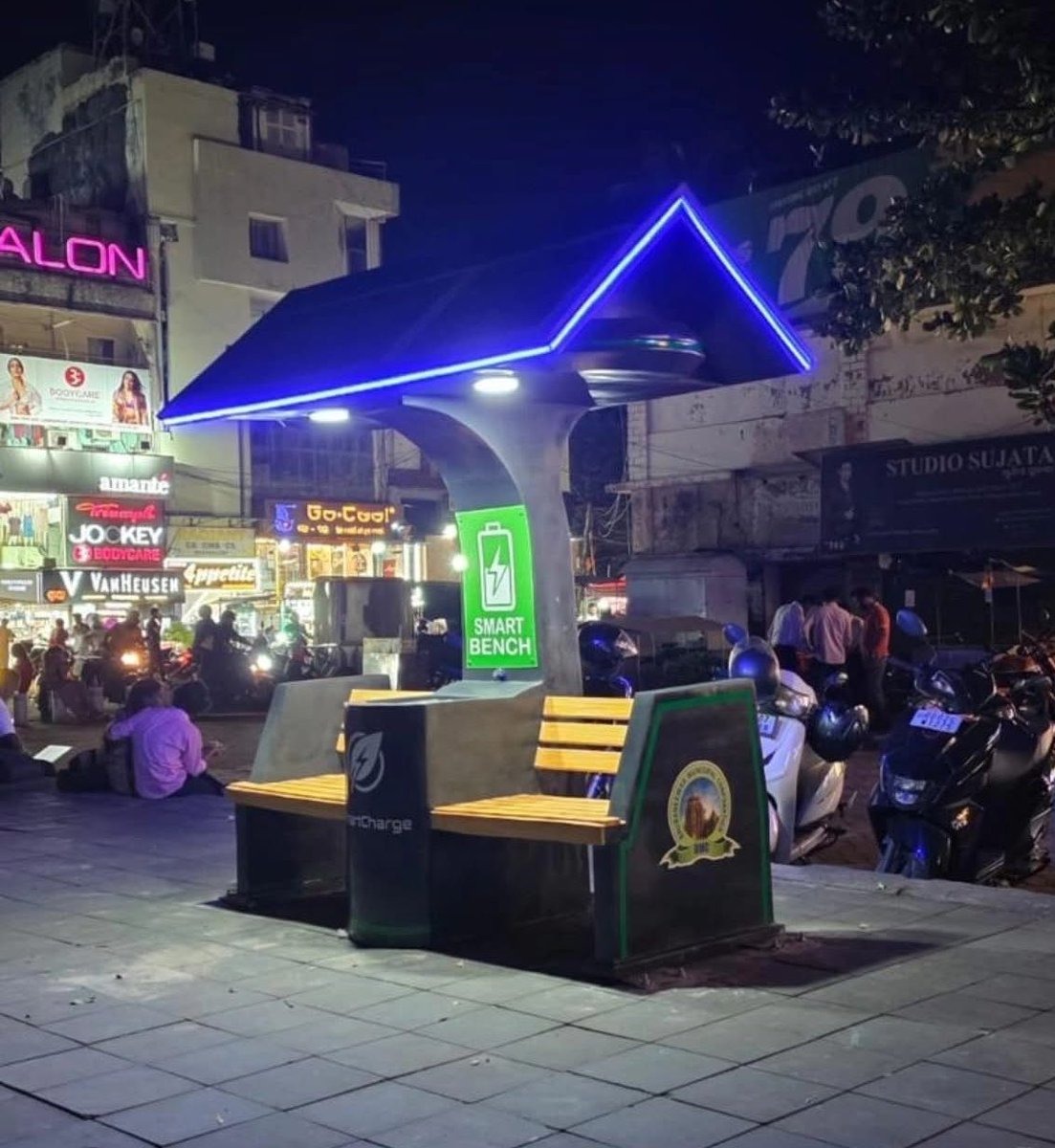
The Bhubaneswar Municipal Corporation (BMC) has introduced solar-powered smart benches at prominent public locations across the city as part of a strategic push toward a "net-zero" and sustainable urban environment. The project, which officially entered its pilot phase in May 2026, aims to integrate renewable energy solutions into daily public utility services, aligning with the broader goals of Bhubaneswar’s green mobility and smart city initiatives.
Two of these innovative benches were initially installed along the city's "Smart Janpath" road, serving as the launchpad for a wider rollout. Designed to be both functional and eco-friendly, these installations provide citizens with modern amenities while operating entirely on clean energy.
Key Features and Citizen Benefits
The new smart benches are equipped with integrated solar panels that harvest sunlight to power onboard electronic features. According to BMC officials, the design is intended to offer convenience regardless of weather conditions, providing covered seating that remains usable during both sunny and rainy spells.
The benches are specifically designed to address the needs of a digitally active population by offering:
Charging Infrastructure: Built-in mobile charging facilities allowing citizens to power their electronic gadgets on the go.
Smart Lighting: Integrated solar-powered lighting systems that enhance visibility and safety in public spaces during evening hours.
Urban Comfort: Covered seating designed to offer respite from the elements, contributing to the overall improvement of pedestrian-friendly infrastructure.
Scaling the Green Vision
The BMC’s current trial is merely the beginning of a broader urban development plan. Officials have confirmed that the civic body intends to expand the initiative by installing 30 additional smart benches in high-footfall areas, including public parks, religious institutions, and major street intersections.
This project complements other recent environmental efforts by the BMC, such as the installation of over 100 solar-powered water kiosks in collaboration with the Odisha Renewable Energy Development Agency (OREDA). By layering these initiatives, the municipal corporation aims to reduce reliance on the conventional power grid and lower operational costs while fostering a "green city" culture.
Why It Matters
For Bhubaneswar’s residents, this development represents a practical integration of smart technology into public life. As urban populations grow, the demand for accessible, sustainable, and technologically enabled public space becomes critical. By reducing the carbon footprint of public utilities and providing free, renewable-powered charging, the BMC is setting a precedent for other municipalities aiming to modernize their urban landscape through eco-friendly, cost-effective infrastructure.
Key Facts at a Glance
Pilot Launch: Commenced in May 2026 along the Janpath road corridor.
Primary Features: Solar-powered mobile charging, in-built lighting, and weather-resistant seating.
Expansion Plan: BMC aims to install 30 additional benches across key public locations.
Strategic Goal: To promote renewable energy, reduce grid dependence, and improve "smart city" public amenities.
FAQ
1. Where can I find the new smart solar benches?
The initial pilot benches have been installed along the Smart Janpath road. Future installations are planned for parks, religious places, and other major public thoroughfares.
2. Is there a cost to use the charging facilities?
No, the mobile charging facilities are provided as a public utility service by the BMC to encourage green energy usage among citizens.
3. What happens to these benches during cloudy or rainy days?
The benches are designed with solar energy storage capabilities, ensuring they remain operational and provide lighting even when direct sunlight is limited.
4. How does this project relate to the Green City Mission?
This initiative is a core component of the city's green mobility and sustainability drive, which also includes the deployment of solar-powered water kiosks across Bhubaneswar.
Official Sources