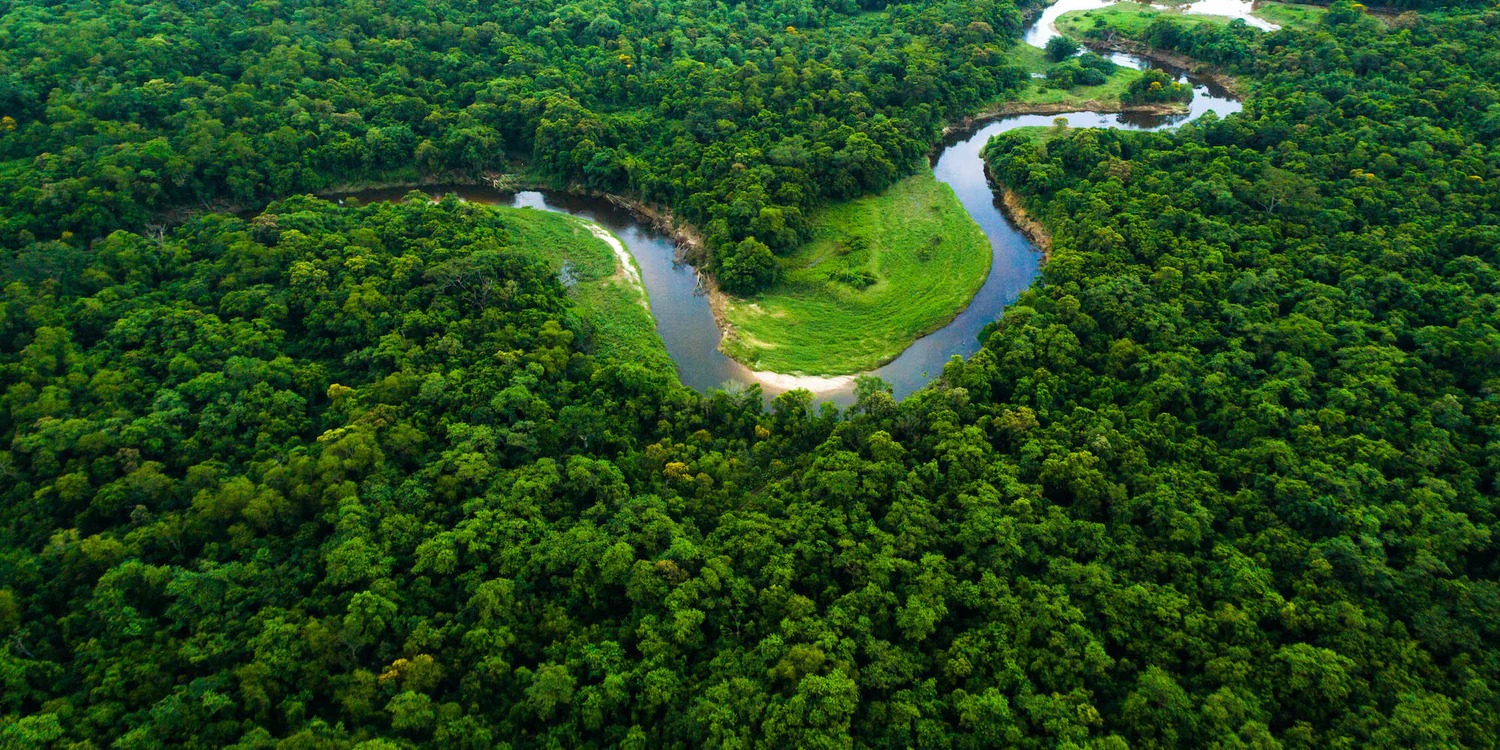
The State Health Society, Bihar, is developing an environmental sustainability plan to establish green zones and plant native, high-transpiration trees across government hospital campuses. Partnering with the WHO, UNICEF, and local infrastructure boards, the project aims to counter extreme summer heat waves, improve local sanitation, and create healthier patient environments.
PATNA — The State Health Society, Bihar (SHSB) officially announced on June 21, 2026, a comprehensive structural plan to build designated green zones and execute large-scale tree plantation drives across government health institutions. Engineered to directly reduce localized temperatures and counter the urban heat island effect, this climate-resilient initiative targets the state's increasingly volatile hot and humid summer microclimates. The environmental sustainability strategy will formally integrate urban planning, forestry, and healthcare infrastructure to improve patient care environments.
Strategic Landscaping to Neutralize Campus Heat Waves
The core objective of the newly drafted environmental sustainability framework is to modify the physical microclimates surrounding public hospitals. Large open areas within government hospital boundaries—which frequently suffer from poor maintenance, weed growth, or uncontrolled waste pooling—will be re-engineered into structured botanical barriers.
By deploying strategic landscaping, the SHSB aims to establish natural cooling systems that systematically lower ambient surface temperatures. The plan focuses heavily on replacing unmanaged terrain with curated green belts, which block solar radiation from reflecting off large concrete structures and asphalt parking areas.
Dense Canopy Species Selected for Maximum Transpiration
To ensure quantifiable heat reduction, the state's horticulture and forestry experts have selected specific native tree varieties known for dense canopy cover and high transpiration rates. The deliberate evaporation of water vapor from these trees functions as a natural cooling mechanism for the surrounding air.
The primary approved species for the hospital green zones include:
Neem (Azadirachta indica)
Peepal (Ficus religiosa)
Banyan (Ficus benghalensis)
Ashoka (Saraca asoca)
Arjun (Terminalia arjuna)
Kadamba (Neolamarckia cadamba)
These specific trees provide wide areas of shade, reducing the thermal load on hospital wards while lowering the baseline energy demand required for active indoor air conditioning.
Cross-Departmental Coalition and Technical Partners
To transition the project from a policy directive into standard infrastructure, the SHSB has convened a high-level consultative meeting in Patna scheduled for June 25, 2026. Under the direction of the SHSB executive desk, an integrated roadmap is being designed alongside multiple state bodies, including the Bihar Urban Infrastructure Development Corporation (BUIDCO), the Bihar State Pollution Control Board (BSPCB), the Bihar Medical Services and Infrastructure Corporation Limited (BMSICL), and the Jal-Jeevan-Hariyali Mission.
Global and national development partners have been brought in to provide technical benchmarks for building climate-sensitive healthcare facilities. Representatives from the World Health Organization (WHO), UNICEF, UNDP, and the Public Health Foundation of India (PHFI) will contribute technical oversight on resource management, water conservation, and the safe reuse of treated wastewater to maintain the new green zones.
Impact on Patient Recovery and Resource Management
Beyond temperature mitigation, the restructuring of hospital grounds addresses critical sanitation vulnerabilities. Neatly managed green spaces prevent waterlogging in low-lying land areas, which directly eliminates vector-breeding zones for mosquitoes near vulnerable patients.
For patients, healthcare staff, and visiting families, the transformation of hospital grounds into therapeutic gardens reduces clinical anxiety and lowers the risk of secondary hospital-acquired infections caused by open-air biological waste accumulation.
Official Sources Section
The operational goals, departmental listings, and technical parameters detailing this environmental framework are sourced from official administrative circulars issued by the State Health Society, Bihar and the Department of Health, Government of Bihar.
Quote Section
"According to officials from the State Health Society, Bihar, public health facilities possess substantial open spaces that are historically underutilized. By restructuring these campuses with dense, high-transpiration native tree canopies, the state is actively building a localized shield against rising urban heat indices while improving the baseline quality of patient care."
Why It Matters
Extreme summer heat waves place immense strain on public health facilities by inflating internal building temperatures and increasing patient dehydration rates. Establishing permanent green zones serves as a low-cost, long-term ecological solution to lower ambient temperatures, protect medical supplies from heat degradation, and secure a more stable environment for vulnerable patients.
Key Facts at a Glance
Project Convening: The SHSB has organized an inter-departmental consultative meet in Patna on June 25, 2026, to finalize the green zone action plan.
Primary Objective: To mitigate the urban heat island effect across state healthcare campuses using dense, shade-providing native tree species.
Core Selection: Native trees including Neem, Peepal, Banyan, and Arjun were selected due to their high water vapor transpiration rates and dense canopy structures.
Water Sustainability: The action plan integrates dedicated water conservation measures, utilizing treated facility wastewater to sustain the internal mini-forests.
Global Collaboration: Technical design inputs are actively supported by global bodies, including the WHO, UNICEF, and the UNDP.
FAQ Section
Q1: How do tree plantations actively reduce temperatures inside a hospital campus?
Trees cool the environment through two primary methods: shading and evapotranspiration. The wide leaf canopies block solar radiation from heating concrete walls and ground surfaces, while the natural release of water vapor from the leaves cools the immediate air column.
Q2: What secondary health benefits do these green zones provide to patients?
The landscaping eliminates unmanaged open zones that frequently suffer from waterlogging and illegal waste dumping, removing breeding grounds for disease-carrying mosquitoes. Furthermore, therapeutic gardens have been clinically shown to reduce patient stress and anxiety during recovery.
Q3: Which government agencies are responsible for executing the plantation drive?
The State Health Society, Bihar (SHSB) is leading the strategy in active coordination with the Forest Department, BUIDCO, the Bihar State Pollution Control Board, and the Horticulture Directorate.
Source: