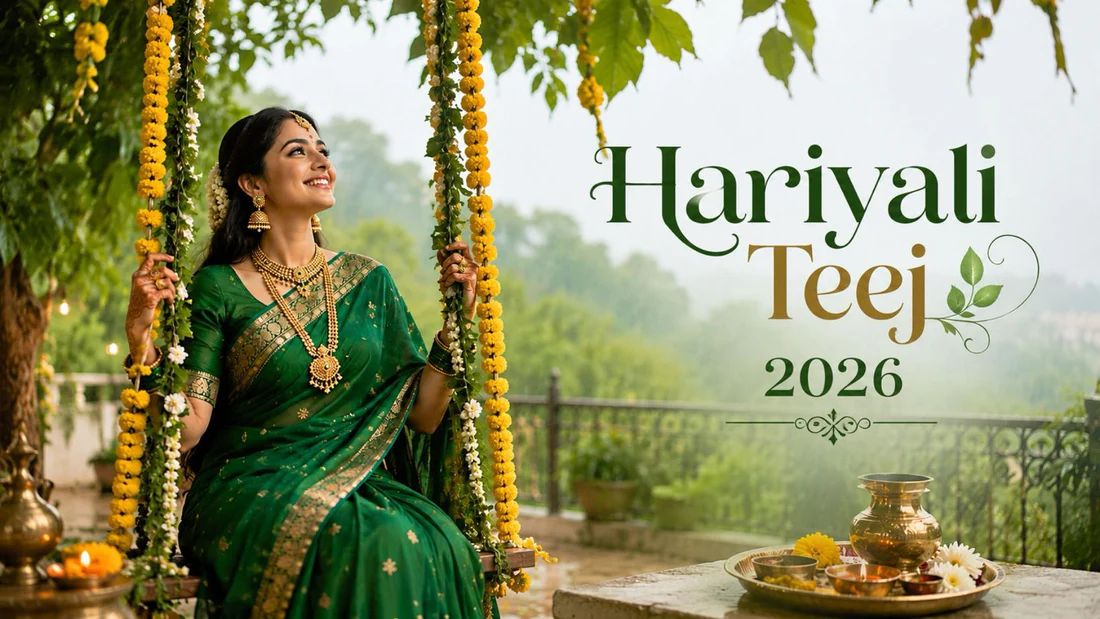
Observed nationwide on August 15, 2026, Hariyali Teej marks the divine reunion of Lord Shiva and Goddess Parvati. According to the Hindu Panchang, devotees across North India are preparing for traditional fasting, Solah Shringar, swing celebrations, and evening prayers to honor nature, marital harmony, and the monsoon season.
Marking the sacred union of Lord Shiva and Goddess Parvati, communities across India prepare for traditional fasting, seasonal swings, and vibrant cultural celebrations.
Welcoming the lush vibrancy of the monsoon season, households across India are observing Hariyali Teej on August 15, 2026. Celebrated annually during the Shukla Paksha Tritiya of the Hindu calendar month of Shravan, the festival holds profound cultural and spiritual importance, particularly across Rajasthan, Madhya Pradesh, Bihar, Jharkhand, and Uttar Pradesh. According to Vedic calendar calculations published by regional panchangs, the Tritiya Tithi commenced at 6:46 PM on August 14 and extends until 5:28 PM on August 15, aligning the primary day of worship with traditional morning and evening muhurats.
Significance, Mythology, and Spiritual Context
Rooted in ancient Hindu scripture, Hariyali Teej commemorates the divine reconciliation and marriage of Lord Shiva and Goddess Parvati. According to mythic tradition, Goddess Parvati demonstrated unwavering devotion and endured rigorous penance over multiple lifetimes before earning Lord Shiva as her consort. Consequently, married women observe the sacred vrat (fast) to pray for the longevity, health, and prosperity of their spouses, while unmarried girls observe rituals seeking compatibility and an ideal life partner.
Key elements defining the spiritual foundation of the festival include:
Symbolism of Green: Reflecting the emerald landscape brought by monsoon rains, the color green signifies growth, peace, renewal, and marital prosperity.
The Vrat Katha: Recitation of traditional legends detailing Goddess Parvati's trials and ultimate devotion during evening community gatherings.
Monsoon Renewal: Recognizing nature's fertility, harvest potential, and seasonal rejuvenation.
Rituals, Fasting Protocols, and Puja Vidhi
Observances for Hariyali Teej involve structured regimens passed down through generations. Participants generally wake before dawn to perform holy baths, don fresh green attire, and complete Solah Shringar (sixteen traditional bridal adornments), which include intricate mehendi applications, bangles, and sindoor.
Fasting structures and procedural guidelines outlined by religious scholars include:
Nirjala or Phalahar Vrat: Devotees choose between strict waterless fasting (nirjala) or modified fruit-and-milk regimens (phalahar) based on personal health and familial customs.
Deity Consecration: Placement of idols or portraits of Lord Shiva, Goddess Parvati, and Lord Ganesha on wooden platforms (chowki) draped in red or green cloth.
Traditional Offerings: Presentation of fresh bel leaves, flowers, turmeric, unbroken rice grains (akshat), and seasonal sweets such as ghevar and laddoos.
Swings and Folk Music: Tying decorated floral swings (jhulas) to sturdy branches, accompanied by community folk songs and traditional dance.
Why It Matters
The festival provides cultural continuity, reinforcing social bonds through family gatherings, traditional gift exchanges between mothers and daughters, and community celebrations. For citizens and local markets, the holiday triggers surges in demand for traditional textiles, handcrafted jewelry, mehendi artistry, and seasonal confectionery.
Key Facts at a Glance
Date of Observation: Saturday, August 15, 2026.
Tithi Duration: Begins at 6:46 PM on August 14 and concludes at 5:28 PM on August 15, 2026.
Primary Deities Worshiped: Lord Shiva and Goddess Parvati.
Core Cultural Customs: Application of mehendi, wearing green attire, swinging on decorated jhulas, and reading the Vrat Katha.
FAQ Section
When is Hariyali Teej celebrated in 2026?
Hariyali Teej is observed on Saturday, August 15, 2026, coinciding with the Shukla Paksha Tritiya of the Shravan month.
Why is the color green so significant on Hariyali Teej?
The color green symbolizes the lush vegetation and renewal brought by the monsoon rains, representing prosperity, growth, and positive energy.
What are the main fasting options during Hariyali Teej?
Devotees can observe either a strict nirjala vrat (without food and water) or a phalahar vrat (consuming fruits, milk, and water), depending on personal health requirements.
Where can individuals verify local puja muhurat timings?
Precise local muhurats and regional calendar adjustments can be cross-referenced via regional almanacs and the Hindustan Times Lifestyle Portal.
Source: Outlook India Brand Studio Disclosures, Hindustan Times Spiritual Desk, Astro Zindagi Panchang Archives