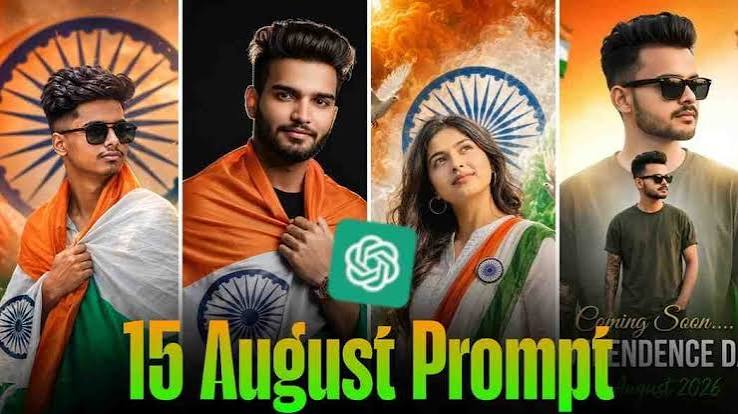
Ahead of India’s 80th Independence Day on August 15, 2026, millions of creators and citizens are utilizing generative artificial intelligence tools—including ChatGPT, Google Gemini, Nano Banana, and Canva—to design patriotic digital imagery, social posts, and avatars, reflecting a broader shift toward AI-assisted civic engagement and digital communication.
NEW DELHI — Ahead of India’s 80th Independence Day on August 15, 2026, tech platforms, social media creators, and digital graphic tools are observing unprecedented usage of generative artificial intelligence image generators across the country.
Millions of citizens, small businesses, and content creators are leveraging text-to-image prompts across platforms including OpenAI’s ChatGPT, Google Gemini, specialized creative tools like Nano Banana, and design platforms such as Canva. The surge in adoption of AI photo editing prompts reflects a structural shift in how digital content, civic greetings, and national celebrations are curated for online communication, social media profiles, and corporate messaging.
Technical Platforms Expand Generative Image Capacities for August 15
The integration of advanced text-to-image models across major consumer platforms has simplified the creation of high-resolution digital art celebrating the Tricolor, historical landmarks like the Red Fort, and traditional cultural motifs.
Platforms like Google Gemini and OpenAI's ChatGPT offer integrated image generation capabilities that allow users to generate customized visuals through natural language inputs. Specialized visual design platforms, including Canva, have embedded generative AI features within their editor interfaces to assist non-professional designers in creating structured promotional posters and social media banners.
Technological developments in 2026 have enabled precise prompt interpretation, allowing models to accurately render national symbols such as the Ashoka Chakra with its 24 spokes and exact color proportions while respecting legal and cultural guidelines governing national emblems.
Structured Prompts and Guidelines for Digital Content Generation
Content creators and media agencies utilize specific prompt structures to ensure visual clarity, cultural respect, and technical precision across different AI engines.
Prompts frequently incorporate parameters specifying lighting, artistic style, aspect ratio, and color palettes grounded in India's national colors. Industry analysts note that platforms have implemented stricter automated filters to prevent the misuse or disrespectful depiction of national symbols in compliance with statutory guidelines.
The adoption of AI photo editing prompts has significantly lowered the cost and time barrier for small enterprise owners and regional creators seeking professional-grade visual assets for seasonal marketing and public engagement.
Impact on Digital Marketing, Creators, and Tech Intermediaries
The widespread deployment of AI image generation ahead of August 15 carries distinct implications across multiple sectors:
Digital Marketers and Small Businesses: Enables rapid production of localized campaign assets without requiring extensive graphic design teams.
Content Creators and Individuals: Allows personalized digital greetings, profile overlays, and social media posts tailored to individual aesthetic preferences.
Technology Platforms: Drives increased user engagement, API usage, and subscription tiers across AI generation services during national holidays.
Cybersecurity and Fact-Checkers: Highlights the ongoing need for watermarking and provenance standards (C2PA) to distinguish generated artwork from real photographic media.
Official Sources Section
According to official advisories from the Ministry of Electronics and Information Technology, all internet platforms and digital intermediaries operating in India must ensure that AI-generated imagery complies with existing IT rules and digital media ethics.
Guidelines issued by the Ministry of Culture emphasize that digital depictions of the national flag and state emblems must adhere strictly to the Flag Code of India and the State Emblem of India (Prohibition of Improper Use) Act.
Quote Section
"The adoption of generative AI tools during major national events demonstrates how technology democratizes creative expression for millions of users," stated tech industry analysts during a recent digital media briefing.
According to officials at the Ministry of Electronics and Information Technology, "Intermediaries generating digital content are required under current regulations to maintain transparency, deploy clear watermarks on AI-generated assets, and prevent the spread of misleading or altered media."
Why It Matters
The reliance on AI photo editing prompts for Independence Day content creation highlights the integration of artificial intelligence into everyday cultural practices. By enabling instant visual creation, AI platforms empower individuals and businesses to participate actively in digital celebrations while underscoring the importance of platform safety, legal compliance, and provenance tracking in the generative tech era.
Key Facts at a Glance
Event: India's 80th Independence Day on August 15, 2026.
Key Platforms: ChatGPT, Google Gemini, Nano Banana, and Canva.
Core Trends: Increased demand for custom prompts, social media avatars, and patriotic digital artwork.
Regulatory Focus: Mandatory AI watermarking and adherence to the Flag Code of India.
Frequently Asked Questions (FAQ)
What are AI photo editing prompts?
They are natural language text instructions entered into artificial intelligence tools (such as ChatGPT, Gemini, or Canva) to generate or edit visual images according to specific styles, subjects, and lighting conditions.
Can AI-generated images of the Indian flag be used commercially?
Yes, provided the generated visuals adhere strictly to the Flag Code of India and the State Emblem of India Act, respecting proper proportions and dignified representation.
Which AI tools are most commonly used for August 15 visual creation?
Popular tools include OpenAI's ChatGPT (DALL-E), Google Gemini, specialized AI platforms like Nano Banana, and integrated design software such as Canva.
Source: Ministry of Electronics and Information Technology, Ministry of Culture, Press Information Bureau