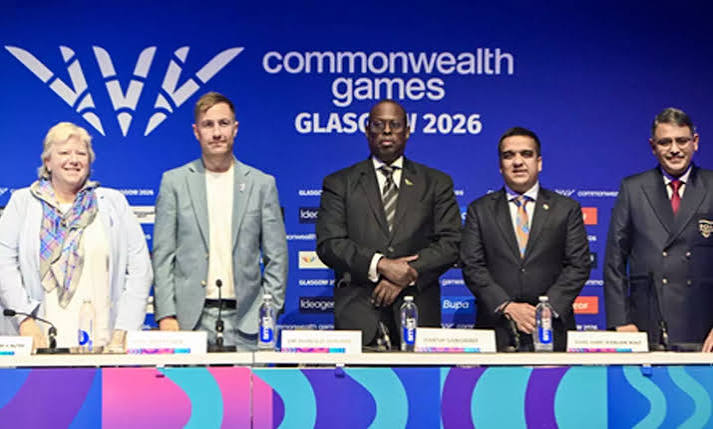
Following India’s landmark 39-medal tally at the 2026 Commonwealth Games in Glasgow, Prime Minister Narendra Modi hosted the contingent at 7, Lok Kalyan Marg. The interaction highlighted a decade-long evolution in Indian athletics driven by grassroots schemes like Khelo India, targeted podium funding, and institutional sports culture reforms.
NEW DELHI — Prime Minister Narendra Modi hosted India's 2026 Commonwealth Games medal winners at his official 7, Lok Kalyan Marg residence in New Delhi following the national contingent's 39-medal haul at the Glasgow Games.
The high-level interaction underscored the structural transformation of the nation's sports ecosystem over the past decade. Featuring 13 gold, 17 silver, and 9 bronze medals with female athletes securing eight of the gold medals -India's performance reflects the measurable impact of targeted government programs, including the Target Olympic Podium Scheme (TOPS) and the Khelo India framework. Addressing the athletes, Prime Minister Modi noted that building a sustainable sports culture across urban and rural centers remains the central pillar for long-term international podium success.
Evolution of Policy: From Infrastructure to Cultural Ecosystem
During the bilateral interaction with the national team, official discussions focused on moving beyond physical infrastructure toward fostering an enduring competitive mindset.
Over the past decade, institutional funding mechanisms managed by the Ministry of Youth Affairs and Sports and the Sports Authority of India have undergone structural overhauls. Programs such as TOPS provide direct customized financial support, international exposure, specialized coaching, and medical backup to elite athletes, eliminating administrative delays that historically burdened sports federations.
Concurrently, the Khelo India initiative launched in 2018 established a nationwide pipeline to identify grassroots talent early, offering selected athletes annual financial assistance for eight consecutive years. The system has systematically bridged the gap between tier-2 and tier-3 regional training centers and international podium environments.
International Recognition and Grassroots Impact
Government representatives highlighted that the growing stature of Indian competitors has reshaped international dynamics across disciplines like boxing, wrestling, archery, shooting, and athletics.
Official reports from the Press Information Bureau confirmed that upgraded sports infrastructure in regional hubs such as Varanasi, Bhopal, and Patiala played a direct role in preparing athletes for multi-sport events. Moreover, the integration of service personnel from the Indian Armed Forces into national squads continues to yield high returns in discipline and endurance sports.
The systematic execution of these sporting policies ensures that national athletes transition from regional talent pools into self-sustained professional competitors capable of maintaining podium consistency.
Practical Benefits for Athletes, Industry, and Youth
The expanding sports ecosystem creates strategic economic and social benefits across sectors:
Aspiring Athletes: Access to merit-based stipends, modern equipment, and scientific training regimes early in their development cycle.
Sports Manufacturing & Tech: Increased domestic demand for specialized athletic equipment, sports medicine, and performance analytics platforms.
Coaching & Support Staff: Professional avenues for physiotherapists, nutritionists, data analysts, and certified coaches within state-backed training centers.
Corporate Investors: Expanded opportunities for corporate social responsibility (CSR) investments and private sector sponsorships in sports academies.
Official Sources Section
According to official releases published by the Press Information Bureau and updates from the Ministry of Youth Affairs and Sports, government expenditure toward athlete preparation, international training camps, and sports infrastructure has expanded substantially over successive fiscal cycles.
Reports from the Sports Authority of India confirm that hundreds of elite sportspersons currently receive direct out-of-pocket allowances and customized support under the Target Olympic Podium Scheme.
Quote Section
"Sports infrastructure is one thing, but the country achieves medals when a sports culture is built in the country. Your medal inspires young students in schools far more than anything we could say," stated Prime Minister Narendra Modi during his address to the athletic contingent.
According to officials from the Ministry of Youth Affairs and Sports, "The long-term objective of our sporting initiatives is not merely increasing short-term medal counts, but systematically preparing successive generations of world-class athletes."
Why It Matters
The shift toward structured sports governance demonstrates how policy interventions can alter a nation's international competitive standing. By combining grassroots scouting with elite sports science and direct financial assistance, India is establishing a sustainable model for athletic talent development capable of competing consistently on global stages.
Key Facts at a Glance
CWG 2026 Outcome: Indian contingent secured 39 total medals (13 Gold, 17 Silver, 9 Bronze) in Glasgow.
Women's Contribution: Female sportspersons won 8 out of India's 13 gold medals at the event.
Core Schemes: Target Olympic Podium Scheme (TOPS) and Khelo India drive elite and grassroots athlete support.
Institutional Framework: Direct involvement of the Sports Authority of India (SAI) and Armed Forces training hubs.
Frequently Asked Questions (FAQ)
What is the Target Olympic Podium Scheme (TOPS)?
TOPS is a flagship initiative launched by the Ministry of Youth Affairs and Sports to provide high-performance support, specialized foreign training, personal coaches, and monthly stipends to potential Olympic and international medal prospects.
How does the Khelo India scheme support young athletes?
Khelo India identifies talented sportspersons at the school and university levels, providing them with state-of-the-art training facilities and financial assistance of ₹5 lakh per annum for eight years.
How are Indian athletes receiving direct government support today?
Athletes receive direct financial support through TOPS allowances, access to Sports Authority of India (SAI) national centers of excellence, modern sports science support, and employment opportunities in public sector undertakings and defence services.
Source: Press Information Bureau, Ministry of Youth Affairs and Sports, Sports Authority of India