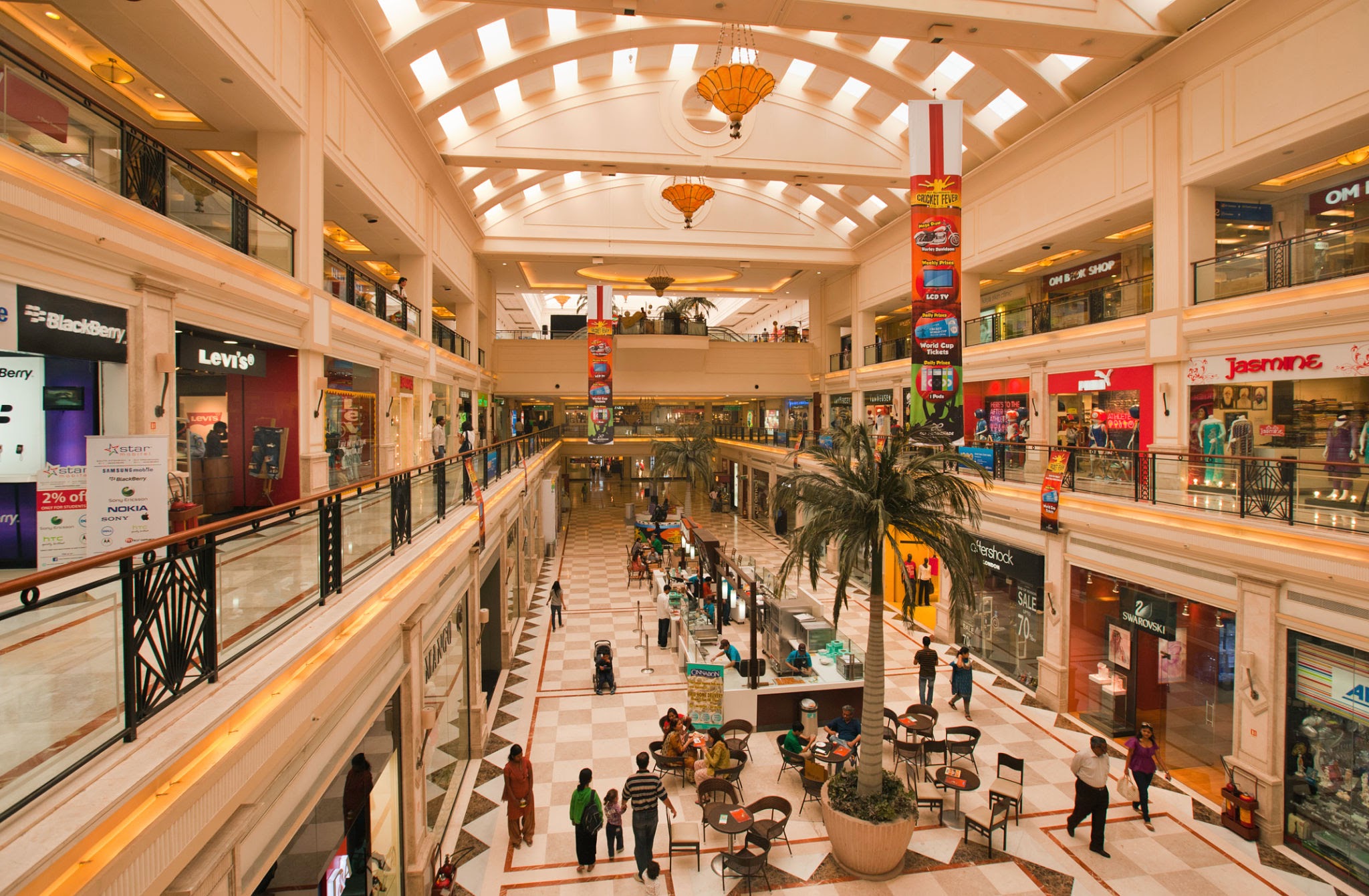
India’s largest listed real estate developer, DLF Limited (DLF.NS), has mapped out a "luxury ladder" framework across its retail portfolio. By segmenting properties based on consumer spend tiers and introducing neighborhood lifestyle plazas alongside flagship luxury destinations, the firm aims to capture rising premiumization and drive long-term rental growth.
NEW DELHI — DLF Limited (DLF.NS), India's largest real estate developer by market capitalization, has outlined a strategic "luxury ladder" framework across its expanding commercial retail portfolio.
The developer is actively segmenting its shopping centers based on average consumer spend, local catchment demographics, and brand positioning. Under the initiative, the company is bridging the gap between everyday neighborhood retail centers and ultra-luxury flagships such as DLF Emporio and The Chanakya. The move comes as organized retail consumption across major metropolitan markets expands at double-digit rates, driven by post-pandemic shifts toward planned, high-value physical shopping experiences.
Segmenting Portfolio Tiers from Neighborhood Plazas to High-End Luxury
DLF’s retail strategy traditionally focused on mega destination malls designed to draw shoppers across wide metropolitan radii. Under the revised portfolio structure, the real estate giant is establishing a multi-tiered retail hierarchy that categorizes properties into distinct consumer spending brackets.
At the apex of the hierarchy sit ultra-luxury destinations like DLF Emporio and The Chanakya, housing marquee international fashion houses and high-end jewelry brands. The middle tier comprises large-format destination hubs including DLF Mall of India in Noida and DLF Promenade in Delhi which feature premium high-street labels, multiplexes, and curated dining concepts.
To complete the ladder, DLF has introduced neighborhood lifestyle plazas, including the 2.8 lakh sq. ft. DLF Midtown Plaza in Moti Nagar and the 4.5 lakh sq. ft. DLF Summit Plaza in Gurugram. These smaller-format centers cater to localized residential catchments within a 5-to-10-kilometer radius, focusing on frequent weekly visits, direct-to-consumer (D2C) brands, and specialized wellness services.
The implementation of the DLF luxury ladder retail segmentation allows the group to maximize monetization across diverse demographic segments.
Financial Momentum and Consumption Beyond Footfall
The strategic shift coincides with strong underlying consumption figures across organized retail assets. According to company disclosures, while footfalls have stabilized at roughly 5% above pre-COVID levels, overall retail sales revenue across DLF's properties has grown in double digits.
In the first quarter of FY27, DLF reported consolidated revenue of ₹1,605.56 crore, supported by resilient annuity income from its rental and retail assets. Annual retail consumption across the portfolio has maintained steady growth between 11% and 14%, reflecting a structural move toward higher-value basket sizes.
Industry data indicates that India's organized mall sector is expanding at 12% to 15% annually. With over 16 million sq. ft. of new retail space expected to hit major cities by the end of 2026, developers are deploying capital to capture shifting millennial and Gen Z buying preferences.
Through the DLF luxury ladder retail segmentation model, international retailers seeking entry into India can select precise retail formats matching their price points and target consumer profile.
Impact on Retailers, Consumers, and Stock Investors
The systematic classification of retail space yields direct consequences for multiple market participants:
Retail Brands and Tenants: Offers customized store formats ranging from 300 sq. ft. boutique spaces in neighborhood plazas to 3,000 sq. ft. flagship outlets in destination malls.
Consumers and Shoppers: Provides distinct retail environments suited for quick everyday errands or multi-hour luxury shopping trips.
Commercial Investors: Stabilizes rental income by diversifying tenant risk across everyday convenience goods, dining, and luxury fashion.
Regional Markets: Supports expansion into new geographies, including upcoming projects like DLF Promenade Goa.
Official Sources Section
According to official filings with the National Stock Exchange of India and corporate statements from DLF Limited, the real estate developer continues to expand its retail portfolio with over 4 million sq. ft. of upcoming retail space under development.
Financial reports submitted to the Ministry of Corporate Affairs and public updates from DLF Retail confirm that annuity assets remain a key driver of long-term balance sheet stability.
Quote Section
"Our objective is to marry convenience to experience. By structuring retail spaces around consumer habits, we ensure shoppers visit neighborhood plazas multiple times a week while continuing to frequent major destination malls for experiential shopping," stated Pushpa Bector, Group Executive Director and Business Head at DLF Retail.
According to officials at DLF, "Premiumization is taking place across every retail category. Consumers are moving up the value chain, and our property segmentation directly addresses this evolution in buyer behavior."
Why It Matters
The adoption of the DLF luxury ladder retail segmentation reflects a maturing Indian retail market. As consumer purchasing power rises, categorizing real estate assets by spending tiers enables mall operators to optimize tenant mixes, boost per-square-foot revenues, and maintain high occupancy rates in the face of changing e-commerce dynamics.
Key Facts at a Glance
Portfolio Area: DLF operates over 4.8 million sq. ft. of operational retail space with over 4 million sq. ft. in development.
Strategy: Dual focus on mega destination malls and 2.8–4.5 lakh sq. ft. neighborhood plazas.
Consumption Growth: Annual retail consumption across DLF properties tracks between 11% and 14%.
Key Expansion: Pipeline includes Mall of India Gurgaon (2 million sq. ft.) and DLF Promenade Goa.
Frequently Asked Questions (FAQ)
What is DLF's 'luxury ladder' strategy in retail?
It is a portfolio segmentation framework that categorizes retail properties based on consumer spend tiers, ranging from neighborhood lifestyle plazas to ultra-luxury shopping destinations.
How do neighborhood plazas differ from destination malls?
Neighborhood plazas span 2.8 to 4.5 lakh sq. ft. with smaller store footprints (250–500 sq. ft.) serving a 5km radius, whereas destination malls occupy larger footprints featuring major global anchor stores.
How is DLF.NS performing in its retail annuity segment?
DLF’s retail segment continues to post double-digit sales growth driven by rising basket sizes and premium brand adoption across its property network.
Source: DLF Limited Corporate Site, National Stock Exchange of India, BSE Limited