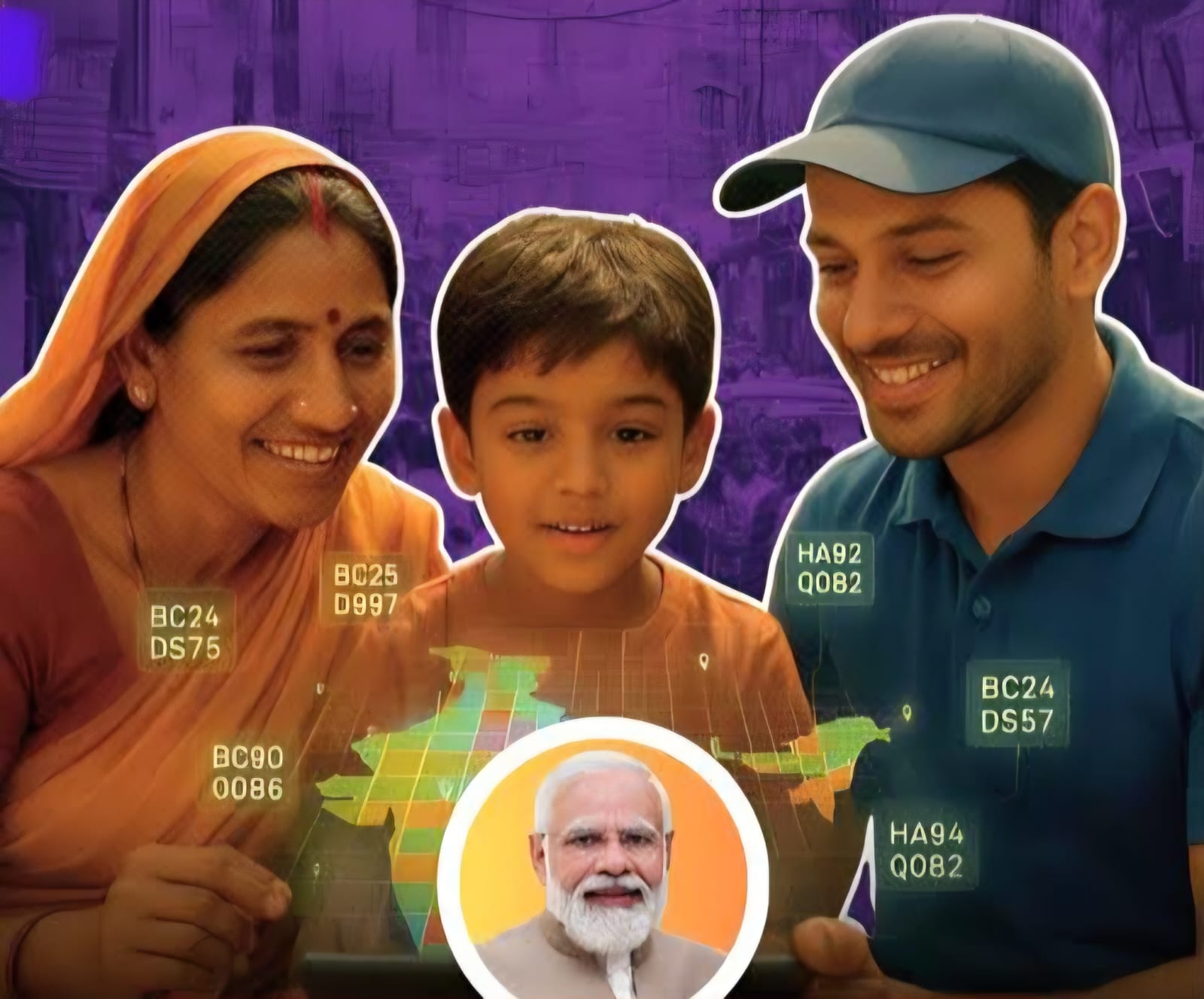
The Union Ministry of Panchayati Raj has proposed a national system to assign unique digital alphanumeric codes to all intra-village roads in India. By standardizing road identification, the government aims to enhance emergency services, improve postal delivery, and provide a robust data framework for future rural infrastructure planning and governance.
NEW DELHI — The Union Ministry of Panchayati Raj has proposed a comprehensive nationwide initiative to assign unique digital identities to every road within India’s villages. This standardized "Intra-Village Road Coding and Grading System" seeks to replace the current lack of documentation for internal rural lanes, addressing long-standing logistical hurdles that have historically complicated navigation and public service delivery.
Standardizing India’s Rural Connectivity
While India has made significant strides in rural connectivity through flagship programs like the Pradhan Mantri Gram Sadak Yojana (PMGSY), much of the focus has remained on connecting habitations to the main road network. Consequently, internal village lanes and smaller pathways have largely remained unmapped and undocumented.
According to official sources, the proposed system will categorize all internal village roads into three distinct classes: Main Roads, Cross Roads, and Other or Connected Roads. Each road will be assigned a unique alphanumeric code, creating a verifiable digital database. This framework is currently being readied for public consultation and feedback to ensure it meets the practical needs of rural governance.
Improving Governance and Emergency Response
The primary objective of this digital coding initiative is to enhance the efficacy of essential services in rural areas. By digitizing the layout of village infrastructure, the government aims to achieve several key outcomes:
Emergency Access: Ambulances and medical responders will be able to navigate to specific locations within a village with greater precision.
Service Delivery: Postal and courier services, which often struggle with vague rural addressing, will see increased efficiency.
Infrastructure Planning: Local bodies will have a standardized database to manage road maintenance and future development projects more effectively.
Navigation Integration: The standardized digital IDs are expected to be integrated into digital mapping and navigation platforms, facilitating easier movement for residents and visitors alike.
This effort aligns with broader government strategies to enhance rural digitalization, complementing existing initiatives like the e-MARG system used for maintenance monitoring of PMGSY roads.
Official Sources Section
The proposal for the Intra-Village Road Coding and Grading System was confirmed by officials within the Union Ministry of Panchayati Raj. The ministry intends to place the draft framework in the public domain for stakeholder review before final implementation.
Quote Section
"According to officials, the move aims to improve emergency access, service delivery, and planning while creating a verifiable rural road database, addressing the current difficulties faced by navigation platforms and government agencies in rural pockets".
Why It Matters
For rural citizens, this shift toward a digital-first infrastructure model is transformative. Currently, the "urban skew" in digital navigation and infrastructure management often leaves rural residents at a disadvantage. By assigning unique codes to intra-village roads, the government is essentially integrating remote areas into the national digital economy. This simplifies everything from e-commerce deliveries to government welfare reach, ensuring that the benefits of India's digital revolution are felt at the last mile.
Key Facts at a Glance
Project Scope: A national initiative to name, code, and digitally map all internal roads within Indian villages.
Classification: Roads will be classified into three categories: Main Roads, Cross Roads, and Other/Connected Roads.
System Design: Each road will receive a unique alphanumeric code to ensure precise identification.
Strategic Goals: The project focuses on improving emergency response times, postal delivery, and systematic rural infrastructure planning.
FAQ Section
Why are unique digital codes needed for village roads?
Internal village roads currently lack documentation, making it difficult for ambulances, postal services, and delivery platforms to navigate rural areas efficiently.
How will this project benefit rural residents?
Residents will experience improved access to emergency services, more reliable delivery of goods, and more transparent management of local infrastructure projects.
Will this project replace existing rural road schemes?
No, the coding system is designed to complement existing infrastructure programs like the Pradhan Mantri Gram Sadak Yojana by providing a digital layer for internal village mapping.
Is there a public feedback process?
Yes, officials have stated that the proposed framework will be made available in the public domain to invite feedback from citizens and stakeholders.
Source: Ministry of Panchayati Raj, India Today