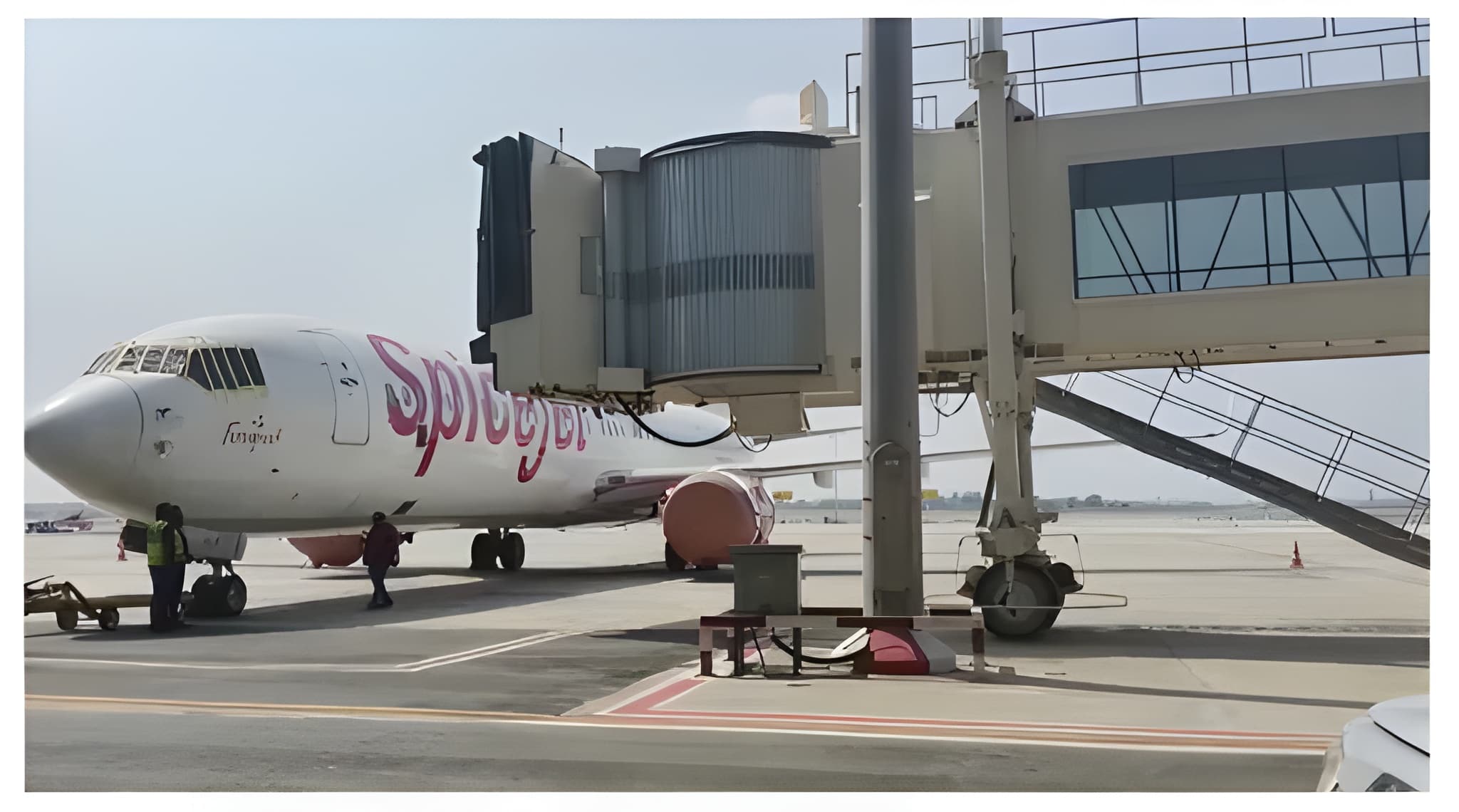
Passengers at Chennai International Airport are increasingly frustrated by the frequent use of open bay instead of aerobridge gates. Airport authorities cite complex multi-terminal flight scheduling for the remote parking assignments, but travelers warn that the practice causes significant transit delays and severe accessibility challenges for vulnerable fliers.
CHENNAI — A surge in the use of open bay instead of aerobridge facilities at Chennai International Airport has triggered growing resentment among domestic passengers over accessibility struggles and transit delays. Travelers arriving on high-capacity commercial flights are increasingly reporting that aircraft are being routed to remote open parking stands rather than available Passenger Boarding Bridges (PBBs). This operational arrangement requires hundreds of fliers—including senior citizens, infants, and individuals with restricted mobility—to disembark onto open runways via mobile step ladders or ramps before being transported to terminal gates by crowded shuttle buses. The issue has re-ignited scrutiny from aviation watchdogs regarding infrastructural optimization amidst expanding domestic terminal capacities.
Remote Parking Strategies Spark Infrastructure Friction
The controversy surrounding the use of open bay instead of aerobridge platforms reached a peak following recent domestic scheduling adjustments by low-cost carriers. On Thursday evening, an IndiGo flight arriving from Mumbai carrying approximately 180 passengers was directed to a remote open bay at Terminal 1 (T1) despite travelers expecting an attached aerobridge gate. Passengers noted significant tarmac wait times while waiting for ground shuttle transport to ferry them back to the arrival hall.
Aviation industry experts point out that the use of open bay instead of aerobridge docking often stems from complex airline fleet scheduling. When an aircraft arrives at a domestic terminal but is scheduled for its subsequent departure from a different terminal block, ground handlers assign a remote open stand. This strategy prevents the aircraft from blocking a premium in-contact terminal gate during its extended turnaround window. However, passengers argue that this framework shifts the operational burden onto consumers, resulting in baggage delays and exposure to harsh weather conditions.
Structural Bottlenecks and Terminal Expansion Logistics
According to structural data from the Airports Authority of India (AAI), the domestic and international terminal complex at Chennai currently operates 13 functional aerobridges. While recent phases of the New Integrated Terminal Building (NITB) expansion have added specialized Multiple Apron Ramp System (MARS) aerobridges—which can simultaneously accommodate two narrow-body or one wide-body aircraft—remote open bays still comprise a large percentage of total parking availability.
The persistent use of open bay instead of aerobridge facilities heavily impacts turnaround times for regional flights. Ground personnel must deploy extra stair units, safety marshals, and terminal shuttle buses across busy taxiways. This long routing path complicates baggage handling, as ground vehicles must safely navigate around taxiing aircraft to deliver luggage from open stands to the automated collection carousels.
Official Sources Section
The logistical statistics, terminal infrastructure mappings, and scheduling procedures cited in this report are based on public administrative briefs from the Airports Authority of India (AAI), aviation safety guidelines provided by the Directorate General of Civil Aviation (DGCA), and operational responses released via the Ministry of Civil Aviation.
Quote Section
Expressing dissatisfaction on behalf of affected travelers, senior political leaders and consumer welfare associations have called on the regulatory bodies to take decisive action. Commenting on the logistical challenges, a representative for passenger rights stated:
"Using step ladders or ramps on open bays causes enormous inconvenience to elderly passengers, those with infants, differently abled travelers, and wheelchair users. The DGCA must mandate the use of aerobridges wherever they are available and vacant, prioritizing passenger comfort and safety over airline turnaround optimization."
In response to the growing public grievances, the Chennai unit of the Airports Authority of India stated:
"According to officials, certain aircraft operate split schedules across different terminals during their daily rotations. To avoid severe operational delays and ensure optimum utilization of the aerobridge facility for immediate turnarounds, remote open stands are systematically allocated when subsequent departures are mapped to separate terminal wings."
Why It Matters
The prolonged use of open bay instead of aerobridge gates carries immediate practical implications for everyday air travelers, corporate commuters, and airline operators. For passengers with physical challenges, remote docking significantly increases transit anxiety and physical discomfort. For commercial airlines, relying on remote bays increases ground handling costs due to the continuous deployment of passenger buses and mobile equipment. Ultimately, resolving this terminal mismatch is vital for maintaining Chennai's status as a top-tier regional aviation hub as passenger volumes hit pre-pandemic highs.
Key Facts at a Glance
Passenger Grievance: Fliers at Chennai Airport are expressing deep dissatisfaction over being consistently routed to remote open bays instead of terminal-connected aerobridges.
The Root Cause: Ground operators allocate open bays when a single aircraft is scheduled to arrive at one terminal block but must depart from another, minimizing gate blockage.
Infrastructural Capacity: Chennai International Airport currently maintains 13 operational aerobridges, alongside several remote parking bays distributed across its domestic and international aprons.
Operational Impact: Remote bay boarding drastically increases passenger transit times, delays baggage delivery, and creates accessibility hurdles for vulnerable travelers.
Frequently Asked Questions (FAQ)
What is the difference between an open bay and an aerobridge?
An aerobridge (or passenger boarding bridge) is an enclosed, elevated walkway connecting an airport terminal gate directly to an aircraft door. An open bay is a remote parking stand on the tarmac where passengers must use stairs and take a shuttle bus to reach the terminal.
Why do airlines use an open bay instead of an aerobridge even when gates appear empty?
Airlines and airport authorities often assign a remote open bay if an aircraft is scheduled to remain parked for an extended period, or if its next departure takes place from a completely different terminal building. This keeps active gates clear for quick-turnaround flights.
How does remote parking affect my baggage delivery time?
When an aircraft parks at an open bay, baggage carts must travel along a longer, winding path across active taxiways to reach the terminal. This extra distance frequently results in longer wait times at the arrivals baggage carousel.
What steps are being taken to fix this issue at Chennai Airport?
The Airports Authority of India is expanding terminal infrastructure in phases. The ongoing modernization projects aim to add more aerobridges and optimize terminal cross-utilization to reduce reliance on remote tarmac parking.
Sources: Airports Authority of India (AAI) Terminal Management Logs, Ministry of Civil Aviation Infrastructure Progress Reports, Directorate General of Civil Aviation (DGCA) Passenger Grievance Portal