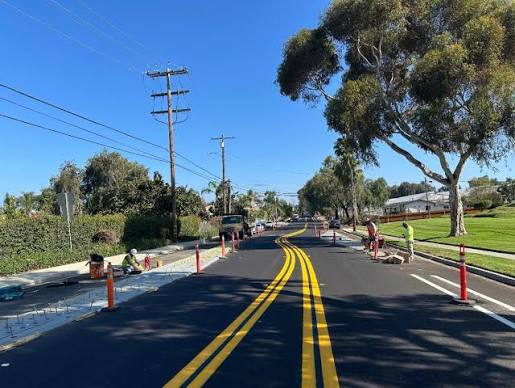
A June 2026 study by IIT Kharagpur confirms that chicane-style barricading on highways reduces passenger car speeds by up to 45% and cuts crash injuries by 50%. Evaluated on a 51-km stretch of NH-16, this horizontal traffic-calming method offers a highly effective alternative to traditional speed bumps.
KHARAGPUR — A comprehensive infrastructure study released by the Indian Institute of Technology (IIT) Kharagpur on June 26, 2026, has revealed that chicane-style barricading is highly effective in reducing vehicular accidents and operating speeds on high-speed corridors. Conducted in partnership with the Road Safety Network (RSN), the field research analyzed vehicle behavior across mixed traffic conditions on major national highways. The findings present a critical empirical foundation for transport authorities working toward India's national policy goal of halving road crash fatalities and severe transit injuries by the year 2030.
Technical Performance and Speed Reduction Metrics
The scientific study, led by Professor Bhargab Maitra of the Department of Civil Engineering at IIT Kharagpur, was executed along a high-volume 51-kilometer stretch of National Highway 16 (NH-16) between Balihati and Kolaghat in West Bengal. The field data evaluated the impact of design-based horizontal speed management layout variations against traditional vertical interventions like standard speed bumps.
According to the published engineering metrics, the installation of chicane-style barricading—which forces an intentional, staggered S-shaped lateral shift in the driving path—achieved a systematic drop in corridor travel speeds. The implementation reduced operating speeds by 39% to 45% for passenger cars, 29% to 33% for heavy commercial logistics vehicles, and 18% to 28% for motorized two-wheelers.
Comparative Safety and Injury Mitigation
Unlike traditional speed humps, which frequently trigger structural vehicle damage or public complaints due to sudden vertical impact, the horizontal deflection mechanism of a chicane provides a smoother but highly compelling traffic-calming effect.
The IIT Kharagpur study recorded distinct safety improvements at localized deployment points, indicating a drop of over 30% in overall accident occurrences. Furthermore, comparative public safety models integrated within the research framework show that chicane layouts reduce serious pedestrian and motorist injuries by up to 50% by lowering impact forces at critical road transition zones.
Policy Recommendations for Highway Operations
The data presentation brought together senior transport policymakers, public health experts, and road safety practitioners, including representatives from the World Health Organization (WHO) and the SaveLIFE Foundation. Based on the performance metrics of the NH-16 corridor, the Road Safety Network submitted an official framework to the Ministry of Road Transport and Highways (MoRTH) urging a shift toward context-sensitive speed zoning.
The expert panel emphasized that over-speeding continues to represent the single greatest threat on Indian roads, accounting for roughly 62% of all highway crashes and leading to over one lakh fatalities annually. The introduction of modular, high-visibility chicane barricades provides a cost-effective engineering solution to protect vulnerable road users, particularly pedestrians, who account for 20.6% of nationwide traffic fatalities.
Official Sources Section
The engineering parameters, operational speed percentages, and crash statistics detailed in this report are based on the formal research papers presented at the High-Level Road Safety Dialogue by the Indian Institute of Technology Kharagpur, administrative datasets compiled by the Road Safety Network, and historical collision logs published by the Ministry of Road Transport and Highways.
Quote Section
"According to officials and road safety researchers involved in the field assessments, a modern highway network cannot rely solely on driver compliance to prevent tragedies. Organizers stated that the Safe System approach reminds us that while people may make mistakes, road policies and structural infrastructure must be designed to ensure those errors do not result in fatal outcomes or lifelong physical disabilities."
Why It Matters
The validation of chicane-style barricading carries immediate, practical implications for highway infrastructure planning, commercial logistics firms, and daily commuters. Moving away from harsh, vertical speed bumps lowers vehicle maintenance costs, stabilizes heavy freight transport, and minimizes secondary rear-end collisions caused by sudden braking. For regional municipal planners, adopting these proven horizontal traffic-calming layouts offers an effective method to design safer town access points and pedestrian crossings along major expressways.
Key Facts at a Glance
Substantial Speed Drops: Operating speeds decreased by up to 45% for passenger cars and up to 33% for heavy transport vehicles.
Injury Reduction: The implementation of horizontal chicanes corresponds to an estimated 50% reduction in severe crash injuries.
Empirical Scale: The definitive research model was mapped across an active 51-km corridor of NH-16 in West Bengal.
Strategic Target: The adoption of design-based interventions supports India's formal pledge to reduce total road crash fatalities by half by 2030.
FAQ Section
What is chicane-style barricading?
Chicane-style barricading is a traffic-calming technique that introduces a series of alternating horizontal deflections or offsets. This configuration creates an S-shaped path, requiring drivers to reduce their speed to navigate the curve safely.
How does a chicane layout perform compared to a standard speed bump?
While speed bumps cause a jarring vertical impact that can damage vehicles and slow emergency response times, chicanes safely reduce lateral velocity by up to 45% without causing structural vehicle strain.
Which specific road sections were analyzed in the IIT study?
The study was conducted by IIT Kharagpur along a heavily traveled 51-kilometer section of National Highway 16 running between Balihati and Kolaghat in West Bengal.
Source: IIT Kharagpur Research Portal, Ministry of Road Transport and Highways Traffic Reports