Union Health Minister JP Nadda will launch the revamped Anaemia Mukt Bharat Abhiyaan guidelines on June 29, 2026, in New Delhi. Introducing a new 7x7x7 strategy and a digital T4 tracking approach, the upgraded policy expands beneficiary groups to include low birth weight infants, accelerating India's fight against systemic anaemia.
NEW DELHI, India — In a major development for public health, Union Minister for Health and Family Welfare JP Nadda will officially release the revamped Anaemia Mukt Bharat Abhiyaan guidelines on June 29, 2026. The launch will take place during the 16th Meeting of the Central Council of Health and Family Welfare (CCHFW) at Vigyan Bhawan in New Delhi. The newly structured initiative marks a critical policy evolution from the older Anaemia Mukt Bharat strategy into a comprehensive, technology-driven "Abhiyaan" aimed at accelerating the reduction of anaemia across all demographic segments in India.
The Transition from 6x6x6 to the 7x7x7 Strategy
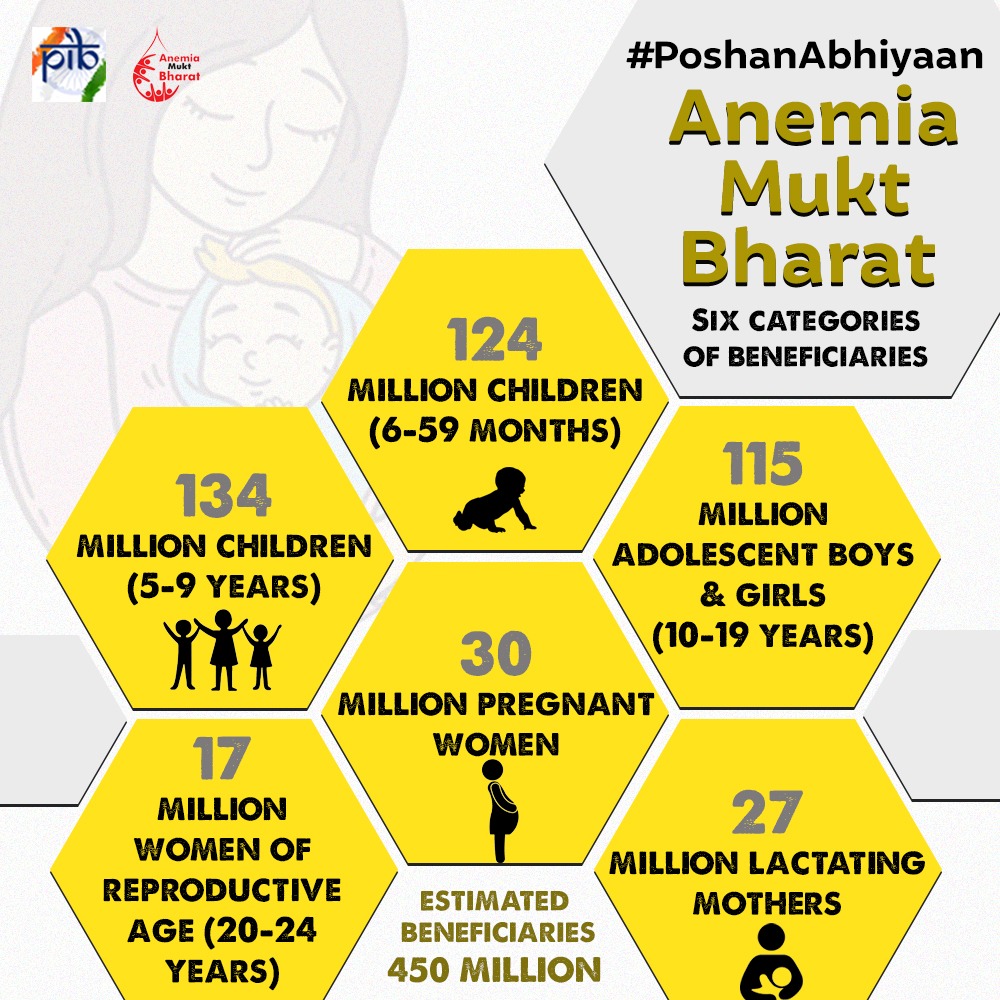
The core feature of the updated Anaemia Mukt Bharat Abhiyaan guidelines is the formal expansion of the existing 6x6x6 administrative model into a highly focused 7x7x7 strategy framework. According to a statement issued by the Ministry of Health and Family Welfare (MoHFW), this operational upgrade fills vital intervention gaps by adding a seventh beneficiary category, a seventh medical or lifestyle intervention, and a seventh regulatory institutional mechanism.
The new additions introduced under the updated policy guidelines include:
The Seventh Beneficiary Group: Low Birth Weight (LBW) infants aged 0–6 months are now officially recognized to intercept iron deficiency from the earliest stage of life.
The Seventh Intervention: The framework incorporates an structured "Eating Right" approach, creating grassroots educational campaigns to make iron-rich, culturally relevant, and diversified diets a daily household habit.
The Seventh Institutional Mechanism: A fully integrated Monitoring and Evaluation dashboard backed by modern data frameworks will serve as the technical backbone to oversee supply logistics and clinical outcomes.
Implementation of the T4 Clinical Approach and Digital Portals
Beyond nutritional counseling, the revamped Anaemia Mukt Bharat Abhiyaan guidelines mandate a technological transition from the historical T3 methodology (Test, Treat, Talk) to an expanded T4 model (Test, Treat, Talk, and Track). This paradigm shift requires local clinics and frontline health workers to systematically record screening data, automate therapeutic follow-ups, and ensure continuity of care for non-responders.
To address severe cases among pregnant and lactating women, the clinical protocols have been updated to include advanced medical interventions such as Intravenous Iron Therapy utilizing Ferric Carboxymaltose (FCM) and Iron Sucrose at secondary and tertiary care facilities.
A unified digital ecosystem will manage accountability across all states. According to the health ministry's regulatory release, real-time haemoglobin testing data will be mapped transparently across existing public systems:
| Beneficiary Category | Connected Digital Portal | Unified Integration |
| Pregnant & Lactating Women | JANANI Portal | AMB Abhiyaan Portal |
| Infants & Growing Children | RBSK & U-WIN Portals | AMB Abhiyaan Portal |
Why It Matters: Impact on Citizens and Healthcare Infrastructure
The restructuring carries significant practical implications for millions of Indian households. Anaemia continues to be a persistent public health hurdle in India; data from the fifth round of the National Family Health Survey (NFHS-5) showed that over 50% of women and children nationwide suffered from varying degrees of haemoglobin deficiency.
By targeting Low Birth Weight infants and standardizing maternal digital tracking, the government aims to lower infant morbidity, reduce maternal mortality rates, and increase long-term productivity among working-age populations. For public health managers, the streamlined digital supply chain is expected to eliminate chronic shortages of Iron and Folic Acid (IFA) supplements in rural health centers.
Official Sources Section
"The launch will formalise the programme's transition, reflecting its evolution into a holistic approach that extends beyond iron supplementation to encompass testing, therapeutic management, eating right, digital tracking and community participation through Jan Chetna," stated the Press Information Bureau (PIB) in an official release on behalf of the Union Health Ministry.
Key Facts at a Glance
The Launch Event: Set for June 29, 2026, by Health Minister JP Nadda at Vigyan Bhawan, New Delhi.
Core Framework Upgrade: Transitions from a 6x6x6 model to an inclusive 7x7x7 strategy.
New Target Beneficiaries: Integrates vulnerable Low Birth Weight (LBW) babies aged 0–6 months.
Clinical Methodology: Evolves into the T4 approach (Test, Treat, Talk, Track) to ensure digital traceability.
Advanced Medical Treatment: Standardizes Intravenous Iron Therapy (FCM) for severe cases in maternal care.
Frequently Asked Questions
What is the new 7x7x7 strategy in the Anaemia Mukt Bharat Abhiyaan?
The 7x7x7 strategy expands the old public health framework by introducing a seventh beneficiary group (Low Birth Weight infants), a seventh core intervention ("Eating Right" dietary diversity), and a seventh tracking pillar (a digital data evaluation portal).
How does the T4 approach improve on older testing methods?
The T4 approach adds "Track" to the traditional Test, Treat, and Talk model. This forces public health systems to digitally monitor an anaemic individual's medical progress, ensuring they receive necessary referral treatments and counseling until recovery.
Which digital portals are being used to monitor these health services?
Maternal health and testing metrics will be logged via the JANANI portal, while childhood data will be funneled through the RBSK and U-WIN systems. All data points will converge into a single, centralized AMB Abhiyaan Portal.
Source: Official operational announcements and media advisories from the Ministry of Health and Family Welfare (MoHFW), government notifications published via the Press Information Bureau (PIB) Delhi, and proceedings from the 16th Meeting of the Central Council of Health and Family Welfare (CCHFW).