In a rare and strategic pivot, Indian importers have purchased a record 150,000 metric tons of soyoil from China, capitalizing on steep discounts offered by Chinese crushers to ease a domestic supply glut. This marks a significant deviation from India’s traditional sourcing from South Ameri...
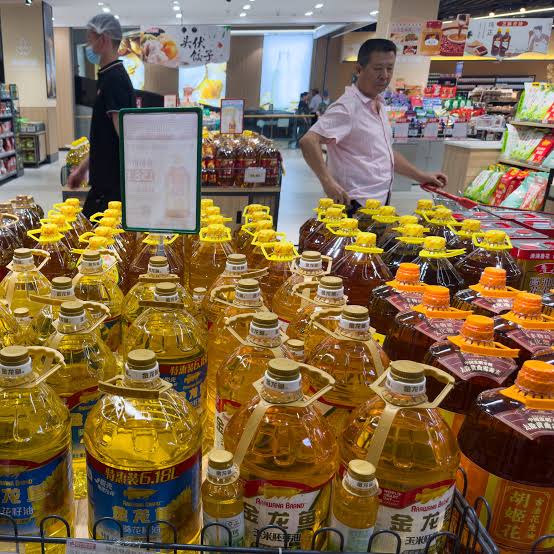
In a rare and strategic pivot, Indian importers have purchased a record 150,000 metric tons of soyoil from China, capitalizing on steep discounts offered by Chinese crushers to ease a domestic supply glut. This marks a significant deviation from India’s traditional sourcing from South American suppliers and signals a shift in global edible oil trade dynamics.
Key Highlights from July 29, 2025
-
Chinese crushers offered soyoil at a $15–$20 per ton discount compared to South American rates
-
Indian buyers secured 150,000 metric tons for shipment between September and December
-
Crude soyoil from China priced around $1,140/ton CIF, versus $1,160/ton from South America
-
Freight advantage: Chinese shipments reach India in 2–3 weeks vs. 6+ weeks from South America
China’s Supply Glut and Strategic Pricing
China’s soybean imports hit a record peak in May 2025, leading to excessive stockpiles of soymeal and soyoil. Crushers, facing mounting inventory pressure and slowing domestic demand, turned to export markets to offload surplus. The aggressive pricing strategy was aimed at clearing storage and maintaining processing margins.
Domestic demand slowdown triggered by reduced soymeal usage in animal feed
Crushers faced storage constraints and deteriorating margins
Discounted exports offered a tactical outlet to rebalance supply
India’s Tactical Buying Decision
India, which typically sources soyoil from Argentina and Brazil, seized the opportunity to diversify its supply base. The price advantage, coupled with faster delivery timelines, made Chinese soyoil an attractive alternative.
India meets nearly two-thirds of its vegetable oil demand through imports
Traditional suppliers include Argentina, Brazil, Russia, and Ukraine
China’s proximity and lower freight costs enhanced competitiveness
Market Dynamics and Trade Implications
This transaction underscores shifting trade flows in the edible oil market, driven by price arbitrage and logistical efficiencies. It also reflects India’s growing agility in sourcing amid volatile global commodity markets.
Soyoil trades at a premium over palm oil globally, but at a discount in China due to oversupply
Indian refiners may continue sourcing from China if competitive pricing persists
South American exporters could face pressure to adjust pricing or risk losing market share
Industry Sentiment and Future Outlook
Industry experts suggest that if China maintains its discounting strategy, India could further increase purchases. The move also signals a broader trend of opportunistic buying by large importers amid fluctuating global supply chains.
India’s annual cooking oil requirement remains high, supporting sustained import demand
Potential for expanded trade ties between Indian refiners and Chinese crushers
South American suppliers may respond with pricing adjustments or faster shipping options
This development could reshape regional trade relationships and influence pricing benchmarks across the edible oil sector.
Source: Reuters – July 29, 2025