The vision of shared destiny in diversity deeply resonates with individuals and nations across the globe. It is a testament to the ability to embrace differences and forge unity in common values and aspirations. In a more and more interconnected yet fragmented world polarized by cultural, social,...
The vision of shared destiny in diversity deeply resonates with individuals and nations across the globe. It is a testament to the ability to embrace differences and forge unity in common values and aspirations. In a more and more interconnected yet fragmented world polarized by cultural, social, and political differences, the idea of embracing diversity as a strength is more compelling than ever. From India's National Integration Day to the Commonwealth's commitment to diversity and ASEAN Vision 2025, the commemoration of diversity as strength has kept forces for collective progress agitating.
India's National Integration Day: A Celebration of Unity
India is a perfect case study of unity amidst diversity in the form of National Integration Day, which is celebrated annually on November 19. It is the day to celebrate the work of the late Prime Minister Indira Gandhi for national integration in the face of India's vast cultural, linguistic, and religious diversity. Seminars, cultural activities, and interfaith dialogue are the activities that deal with respect and common identity among the citizens.
India's diversity is unparalleled—where over 1.4 billion people from over 22 official languages reside and follow various religions. Through all this diversity, India has managed to preserve its democratic fabric by having a focus on the commonalities like shared heritage, a secularist spirit, and a shared vision for development. Initiatives like the "Ek Bharat Shreshtha Bharat" initiative also fortify the bond further by promoting cultural exchange among states to ensure understanding and harmony.
The day makes us realize that despite the regional differences, Indians are united by their shared history and values. People's movements such as crowdfunding websites such as Ketto also demonstrate how collective effort can address social challenges such as education and healthcare. The movement demonstrates how diversity can be leveraged to lead to productive collaboration for societal development.
The Commonwealth: Strength in Diversity
Celebrating its 75th anniversary this year, the modern Commonwealth highlights the necessity of exchanging universal values of democracy, human rights, and good governance among its 56 member nations. With a plural membership on all continents—from small island nations in the Pacific to sprawling countries like India—the Commonwealth promotes cooperation on shared issues while promoting inclusiveness at grassroot levels.
One of its strongest assets is empowering youth—1.5 billion young people in the Commonwealth present immense possibilities for development and innovation. Projects like the Commonwealth Youth Council provide avenues for young leaders to engage in decision-making that can improve their communities. By bridging geopolitical divisions, the Commonwealth demonstrates how diversity can enrich governance and deepen human connection throughout the world.
The organization's commitment to addressing significant issues such as climate change, gender inequality, and digital connectivity also highlights its commitment to a shared destiny among members. By invoking their combined strengths as they strive for common objectives, member states illustrate how cooperation can emerge from diversity.
ASEAN Vision 2025: Forging Ahead Together
ASEAN Vision 2025 embodies the "One Vision, One Identity, One Community" philosophy. The vision is inclusive by prioritizing addressing social vulnerabilities and guaranteeing equitable access to opportunities for all. ASEAN Socio-Cultural Community (ASCC) will create a community that is sustainable and resilient with a sense of heritage while learning to adapt to emerging challenges like climate change and technological disruption.
The Kuala Lumpur Declaration highlights the attempts of ASEAN at enhancing mutual understanding between member states through initiatives such as educational exchange and cultural cooperation. Initiatives like the ASEAN Youth Volunteer Program encourage youths from different nations to come together and work on community initiatives, promoting regional unity.
ASEAN's commitment to inclusiveness is itself enlarged beyond its member countries by joint endeavors with dialogue partners such as India. Mutual cooperation in healthcare, trade, and education showcases how shared values can drive tremendous growth while considering cultural differences.
Shared Destiny in Everyday Life
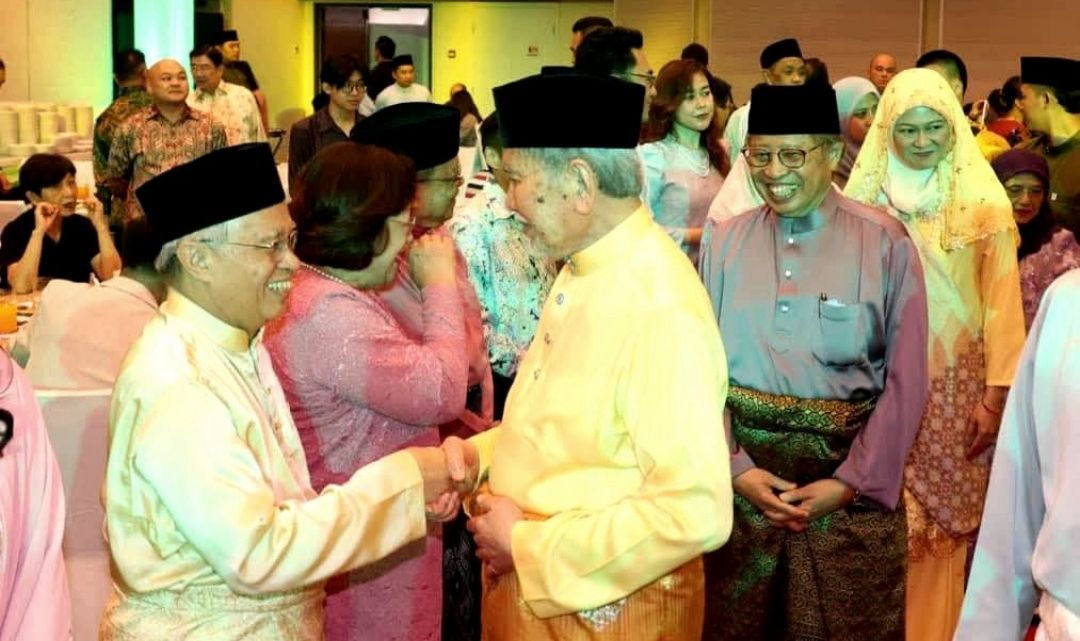
Transcending cultures, festivals and traditions are likely to be powerful indicators of shared fate in diversity. For instance, in Borneo, communities freely celebrate various festivals—such as Gawai Dayak or Hari Raya—where one can participate regardless of background. Such practices give credence to the fact that shared experiences engender closer relationships among individuals.
Similarly, the Indian diaspora in Southeast Asia exemplifies this principle through their contributions to local economies while preserving their cultural heritage. Their dynamism strengthens ties between nations like India and ASEAN, showcasing how diversity can drive collaboration.
In our daily lives, kindness transcending cultures—disaster relief or community service initiatives—still show the shared destiny of humanity. Such examples remind us that despite being different from one another, we share common human values of compassion and resilience.
Challenges and Opportunities
While diversity enriches societies, it also generates inequalities and social fragmentation. Addressing these requires inclusive policies that target more marginalized groups and emphasize equitable development. ASEAN's community councils or India's local initiative are instances of how collective action can achieve this.
Moreover, global forums like the ET Women Conclave 2025 focus on visionary leadership as a way to manage diversity effectively. By bringing together changemakers from various industries, the forums foster innovative ideas to solve complex social issues.
Conclusion: Embracing Diversity for a Shared Future
The concept of commonalities in the midst of diversity is not idealism—it is a path to the building of inclusive societies that rejoice in every individual's contribution. Whether in national celebrations like India's National Integration Day or regional strategies like ASEAN Vision 2025, these efforts remind us that unity and uniformity are not synonymous.
As nations learn to embrace and rejoice in their unique identities while working together on shared agendas, they set the stage for a more promising future built on cooperation and respect. By celebrating our diversity, we reassert our shared destiny—a world where our differences are valued as strengths, not liabilities.
Source: Borneo Post, ASEAN 2025, CPA HQ