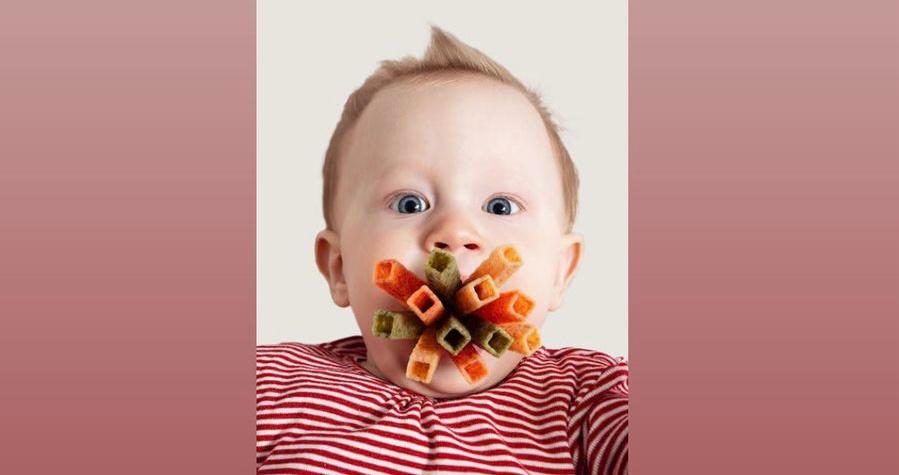
The successful toddler snack market is under the spotlight for its lack of strict regulation, with severe health implications for young children. Despite growing awareness of children's nutrition, the majority of "healthy" products are high in sugar, salt, and artificial ingredients...
The successful toddler snack market is under the spotlight for its lack of strict regulation, with severe health implications for young children. Despite growing awareness of children's nutrition, the majority of "healthy" products are high in sugar, salt, and artificial ingredients. This newsletter addresses the problem of toddler snacks and the call for stricter regulation.
The Current Regulatory Landscape
Inadequate Standards
Although infant foods are regulated in some areas, toddler snacks tend to go unnoticed. For instance, the European Union's regulations on baby foods do not cover toddler snacks in a comprehensive manner. Likewise, the UK's Early Years Foundation Stage (EYFS) reforms emphasize safety procedures but do not include specific nutritional standards for commercial toddler snacks.
In India and other developing countries, packaged toddler foods mostly bypass regulatory systems entirely, leaving parents exposed to misleading advertising and unhealthy foods.
Healthwashing Practices
The Aptamil and Kiddylicious brands have been accused of healthwashing—misleadingly promoting high sugar or ultra-processed products as healthy. Aptamil 3 toddler milk adds over 14g of free sugars to a toddler's diet each day, but Farley's reduced sugar rusks have insufficiently reduced levels of sugar that are unsuitable for toddlers.
Health Risks Associated with Inadequately Regulated Toddler Snacks
Nutritional Imbalance
Most toddler snacks are labeled as healthy but are high in sugar and saturated fats. As per Action on Sugar, children aged 1.5 to 3 years are consuming up to 27.9g (7 teaspoons) of free sugars every day—three times their recommended allowance. These diets lead to childhood obesity, diabetes, and cardiovascular diseases down the road.
Dental Issues
Daily consumption of sweet snacks results in tooth decay and enamel erosion. Fruit and crackers easily become sugar that sticks to teeth, causing cavities. The NHS warns against frequent snacking on sweet foods due to their influence on temporary teeth that play a crucial role in chewing and speaking development.
Choking Hazards
Unsafe preparation methods increase choking risks for toddlers. Products like raw jelly cubes and whole nuts are sold without adequate warnings, despite being flagged by health authorities as unsafe for children under five.
Marketing Challenges
Aggressive marketing efforts reach parents with deceptive advertising about "organic" or "natural" toddler snacks. Colorful packages with cartoon characters often hide the real nutritional value of these products. Public Health England (PHE) has started campaigns reminding parents to limit sugary snacks to two a day (100 calories each), but enforcement is lax everywhere in the world.
Steps Toward Safer Toddler Snacks
Stronger Regulatory Frameworks
Governments must expand existing food safety legislation to cover all types of toddler snack foods comprehensively. This includes introducing stringent standards for sugar, salt, and fat content, and banning risky additives across the board for products marketed to toddlers.
Clear labelling
Labelling has to become obligatory to provide clear information regarding sugar content, salt content, artificial additives, and allergens in toddler snack foods. The EU's movement towards uniform compositional standards is a model for global adoption.
Educational Campaigns
Public campaigns can inform parents to make informed choices about toddler diets and put pressure on manufacturers to prioritize health over profits. Home-prepared snack food campaigns with wholesome ingredients can deter the consumption of packaged snacks.
Industry Responsibility
Companies must be prompted—or regulated—to redesign products with healthier ingredients under frameworks such as WHO's nutrient profile model. Government-private sector partnerships would provide incentives for innovation in the production of healthier snack foods.
Conclusion: A Call for Action
The lack of regulation of toddler snacks is threatening children's health worldwide seriously. Though there are improvements in areas like pesticide regulation and food safety training, overarching policies in areas of nutritional content and advertising practice are urgently needed. Governments need to involve international organizations like WHO and the industry too to introduce a safe framework for infants.
By prioritizing labeling transparency, imposing stricter controls on advertising methods, and encouraging healthier product content, we can protect toddlers from unnecessary health risks while instilling healthier eating habits at an early age.
Source: Action on Sugar, Children's Food Campaign, NHS