The Delhi government has finalized the eligibility parameters for its DURGA e-auto scheme, earmarking 1,100 permits for women and transgender drivers aged 20–40 with family incomes under ₹5 lakh. Featuring a three-year transfer lock-in period, the ₹20 crore initiative provides capital subsidies to eliminate exploitative rental subcultures.
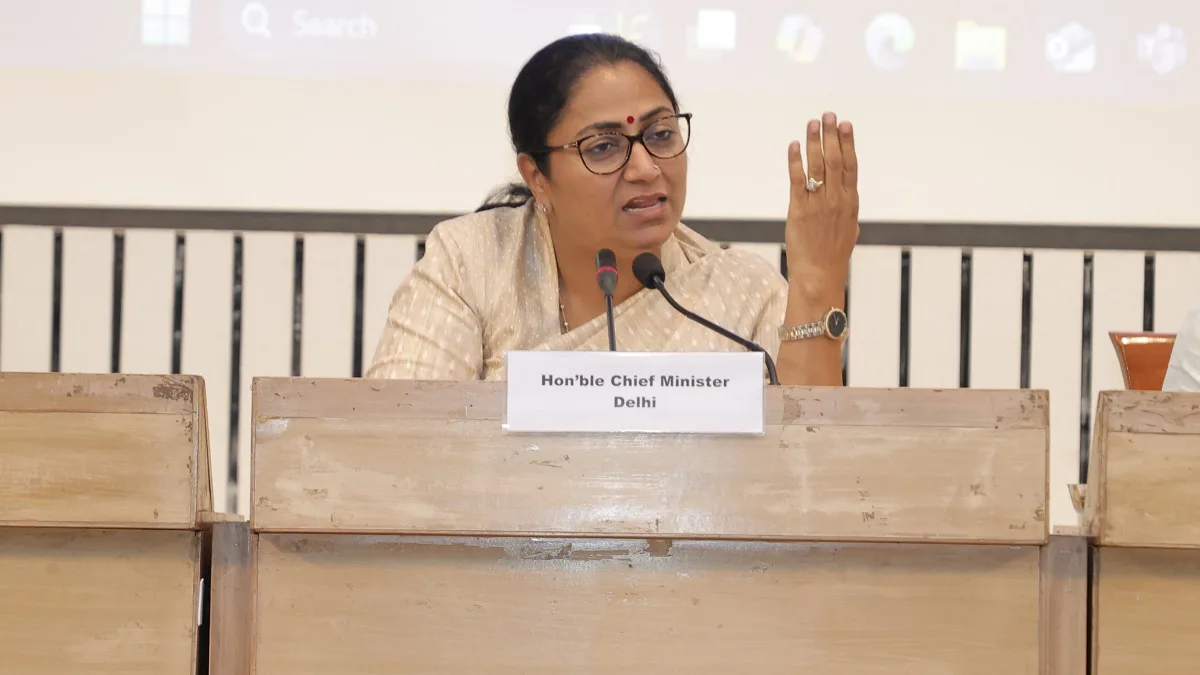
NEW DELHI — The Delhi government has finalised the formal eligibility framework for its newly conceptualised Driving Upliftment and Rozgar for Women/Transgender Green e-Auto (DURGA) scheme. Discussed extensively during a high-level cabinet meeting chaired by Chief Minister Rekha Gupta, the policy aims to allocate 1,100 electric auto-rickshaw permits to women and transgender individuals in its inaugural phase. By establishing structured parameters around age, income, and vehicle ownership, the administration is moving to systematically formalise employment and last-mile connectivity for historically marginalized groups across the National Capital Territory (NCT).
Strict Age and Income Caps Mandated for Clean Mobility Permits
To guarantee that the economic benefits reach grassroot beneficiaries, the Transport Department has instituted definitive socio-economic boundaries. Under the draft policy regulations circulated to line agencies on Friday, June 12, 2026, applicants must be aged between 20 and 40 years to qualify for the allotment.
Furthermore, the government has proposed an annual household income ceiling of ₹5 lakh. To avoid the commercial hoarding of public transit permits by wealthier transport operators, the framework explicitly mandates that the applicant’s family must not already own a commercial three-wheeled vehicle.
The policy also limits allocation density, dictating that only one woman per household can register for a permit. For married female applicants, the proposal introduces a specific clause requiring that their children must be under 18 years of age, ensuring the welfare resources assist young families requiring immediate financial stability.
Dismantling the Exploitative Permit-Leasing Subculture
The DURGA scheme carries an allocated initial budget outlay of ₹20 crore, which was initially unveiled during the Delhi Budget session. The targeted intervention stems directly from field feedback provided by existing marginalized operators within the capital's public transport grid.
Presently, a significant majority of non-male auto drivers operate via an unregulated permit-leasing subculture. Because permits are historically registered under external third-party names, drivers frequently operate as commercial tenants, surrendering nearly half of their 12-hour daily cash earnings to vehicle owners as rental fees.
To permanently break this cycle, the DURGA policy features a rigid three-year commercial lock-in period. During these first three years, the permit holder cannot sell, lease, or transfer the vehicle. Following the completion of the lock-in phase, the title can strictly be transferred to another woman or a transgender individual, preventing the commercial assets from being re-absorbed into male-dominated corporate fleets.
Inter-Departmental Push and Safety Nets on Capital Roads
Given that the transport sector presents deep-rooted structural challenges for non-male workers, multiple regulatory bodies have integrated dedicated safety and training mechanisms into the vehicle rollout:
Distinct Visibility Protections: Beneficiaries will operate distinctively branded pink electric autos, outfitted with matching specialized ID cards, reflective caps, and safety jackets.
Emergency Infrastructure Integration: The Transport Department has mandated that all vehicles prominently display the unified women’s national helpline numbers alongside standard distress contacts.
Soft-Skills and Fleet Training: The Social Welfare Department will coordinate mandatory soft-skills modules, while the Women and Child Development department implements safeguards against institutional bullying.
Transit Charging Points: The Delhi Metro Rail Corporation (DMRC) and the National Capital Region Transport Corporation (NCRTC) are tasked with building robust fast-charging networks, while the Municipal Corporation of Delhi (MCD) designates dedicated, safe parking zones.
Official Sources Section
The administrative rules and policy draft criteria details have been officially cross-verified via statutory communications from regional bodies:
Fiscal breakdowns, policy names, and implementation directives are cataloged under the annual publications of the Government of National Capital Territory of Delhi.
Vehicle compliance guidelines and spatial deployment rules are maintained directly by the Delhi Transport Department.
Quote Section
Highlighting the structural corrections embedded within the new policy framework, a senior transport official involved in drafting the cabinet note observed:
"According to officials, previous reservations for women in the general e-auto pool failed to attract sufficient traction due to a complete lack of upfront financial safety nets and systemic institutional bullying on the ground. By combining targeted permits directly with bank-backed interest subventions, upfront purchase subsidies, and a strict no-transfer lock-in period, the DURGA framework ensures that the marginalized individual remains the outright owner and direct financial beneficiary of their labor."
Why It Matters
The formalization of the DURGA policy represents an intentional evolution in how urban transport planners look at clean energy transition. Beyond meeting atmospheric decarbonization goals via Electric Vehicle Policy 2.0, the scheme leverages green infrastructure to alter gender and identity representation in public spaces. Providing safe, structured ownership allows women and transgender individuals to navigate public utility spaces safely, while directly expanding safe last-mile connectivity choices for female night-shift commuters across the Delhi metropolitan region.
Key Facts at a Glance
Total Permits: Phase 1 of the DURGA scheme creates 1,100 green e-auto permits, specifically splitting 1,000 for women and 100 for transgender individuals.
Age and Income Thresholds: Applicants must be between 20 and 40 years old, with an overall family income below ₹5 lakh annually.
Anti-Hoarding Safeguard: The applicant’s immediate family cannot possess any existing three-wheeled commercial vehicle permit.
Lock-in Protection: Outright transfers are legally banned for three years; subsequent changes can only be made to verified female or transgender buyers.
Infrastructure Support: State bodies like DMRC, NCRTC, and MCD are legally required to provide localized charging nodes and secure parking spaces.
FAQ Section
Q1: What does the acronym DURGA stand for in the Delhi transport scheme?
The program officially stands for Driving Upliftment and Rozgar for Women/Transgender Green e-Auto.
Q2: What are the vehicle design requirements under this livelihood initiative?
The electric autos will feature distinct pink branding, and the operators will be issued specialized identification cards along with distinct caps and jackets to ensure institutional recognition and road safety.
Q3: Can a beneficiary rent out their e-auto to a third party?
No. To dismantle the exploitative vehicle-leasing subculture, the policy mandates that the permit holder must operate the vehicle, enforcing a strict three-year non-transferable lock-in period.
Q4: What financial assistance is provided to applicants under the DURGA scheme?
The scheme, which holds a dedicated ₹20 crore budget allocation, offers direct capital subsidies on the vehicle purchase price alongside interest subventions through empanelled public banks to limit upfront loan burdens.
Source: Cabinet Draft Records, Transport Department of Delhi | Policy Framework Release, Government of NCT of Delhi | Budgetary Allocation Records 2026-27.