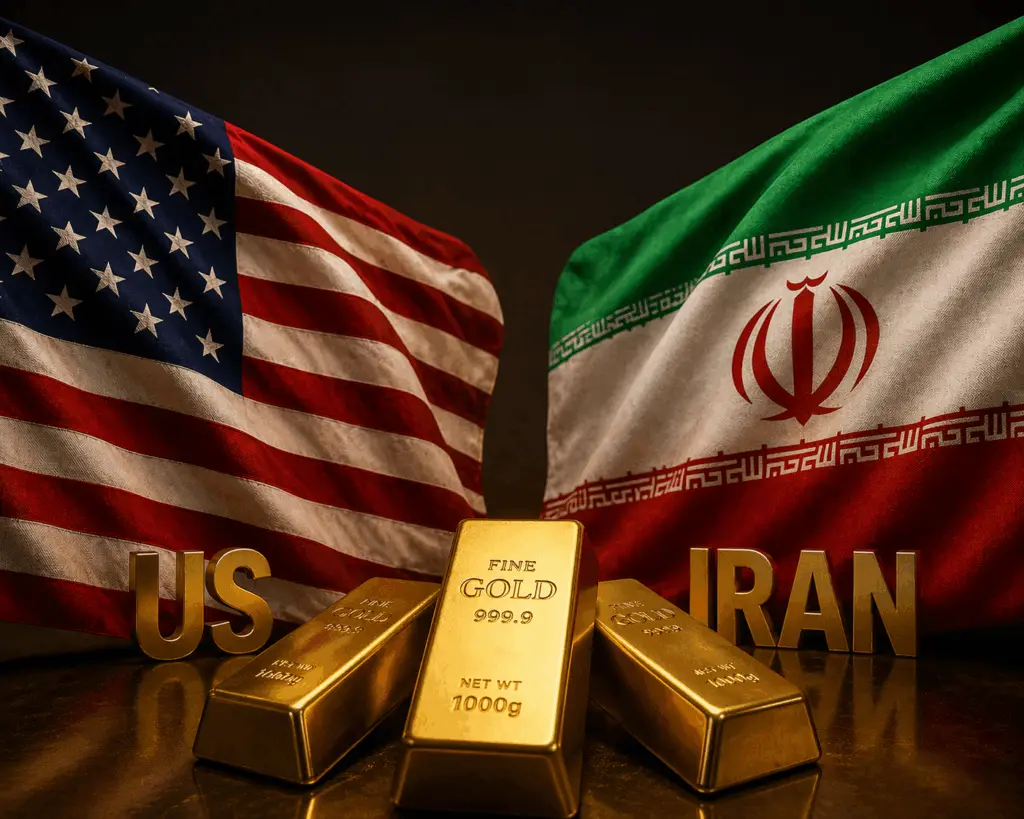
The United States and Iran are close to finalizing a Pakistani-mediated peace agreement to reopen the Strait of Hormuz and halt direct military hostilities. However, regional stability remains threatened as Israel continues to launch intense airstrikes against Hezbollah assets in southern Lebanon, highlighting a deep disconnect between global diplomacy and localized conflicts.
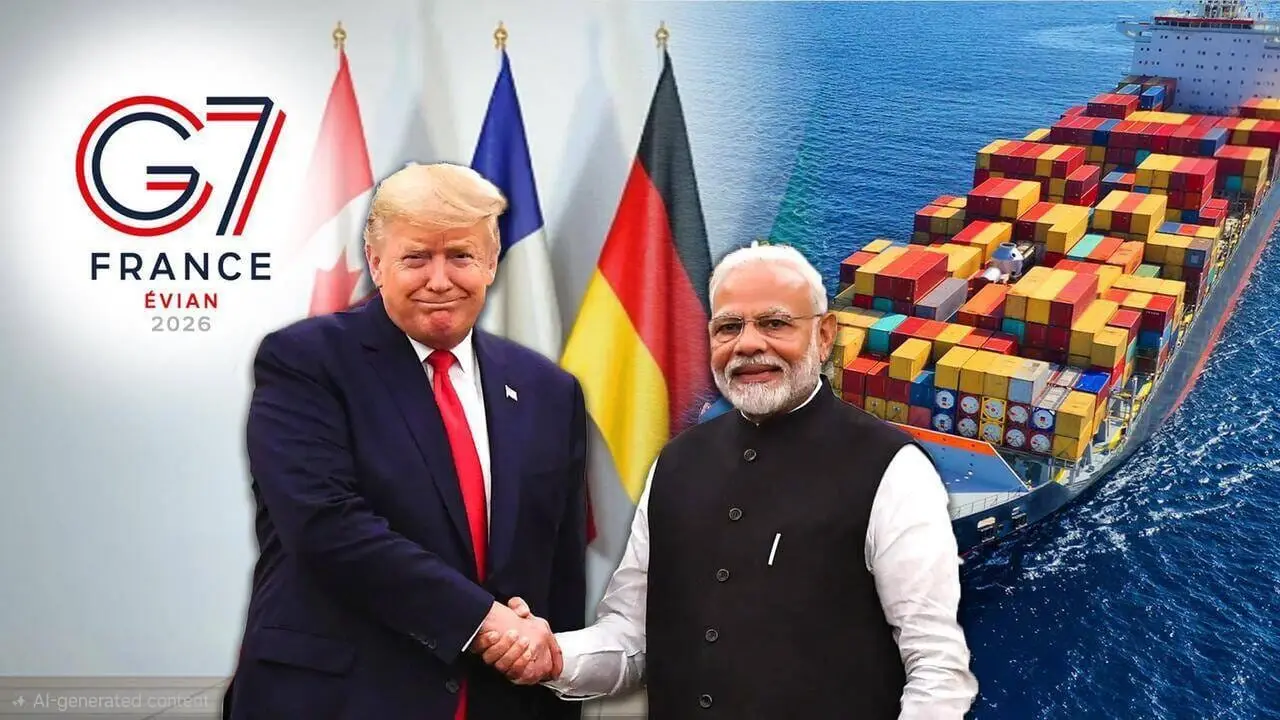
WASHINGTON — The United States and the Islamic Republic of Iran have signaled that a comprehensive diplomatic agreement to wind down their three-and-a-half-month-long military conflict is within immediate reach. U.S. President Donald Trump announced that a formal memorandum of understanding (MOU) could be signed within days, leading him to call off a scheduled wave of retaliatory missile strikes against Iranian infrastructure.
However, the diplomatic momentum between Washington and Tehran stands in stark contrast to the rapidly deteriorating security situation on the ground in the Levant. Parallel to these peace talks, the Israeli military has launched an intense, "unprecedented" 42-second localized bombing campaign targeting key transport hubs and militant command centers across southern Lebanon, illustrating the extreme volatility and fragmentation of the ongoing Middle Eastern conflict.
Direct Bilateral Negotiations Inching Toward Strategic Strait of Hormuz Reopening
The proposed diplomatic framework, brokered primarily through senior Pakistani intermediaries, aims to de-escalate a direct military conflict that erupted in late February 2026. Global financial networks responded positively to the announcements from the White House, with international equity indexes rallying over 1,000 points on projections of stabilized energy corridors and eased constraints on merchant shipping.
A core element of the impending agreement is a phased, monitored timeline for demining the strategic Strait of Hormuz—a crucial maritime choke point that handles roughly 20 percent of global petroleum and liquid natural gas shipments. Under the preliminary draft terms, the U.S. naval blockade will remain firmly in place to monitor compliance during initial sweeping operations.
Subsequent clauses establish a 60-day transitional ceasefire window during which permanent bilateral protocols will be negotiated. This includes long-term verification metrics regarding a proposed 15-to-20-year halt on Iran's domestic uranium enrichment and the ultimate structural dismantlement of production facilities previously impacted by airstrikes.
Heavy Israeli Airstrikes Shatter Fragile Localized Ceasefires in Southern Lebanon
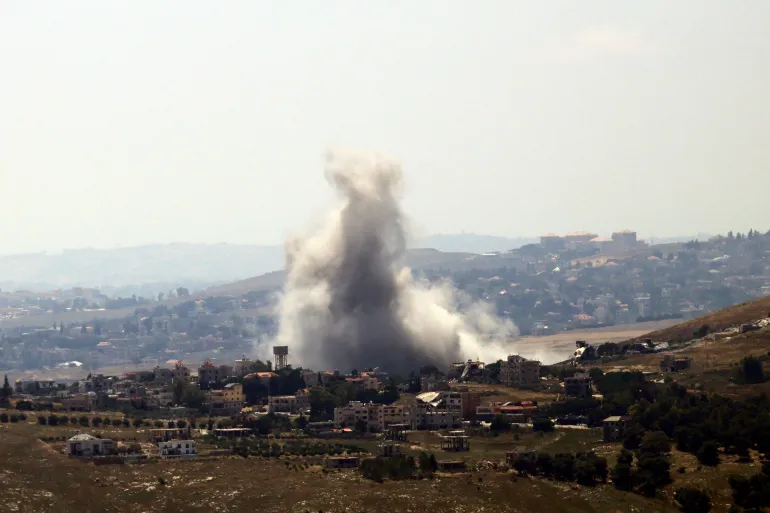
Despite the progress reported between Washington and Tehran, the military front between Israel and the Iranian-aligned Hezbollah network in Lebanon has experienced severe escalations. On Friday evening, massive explosions tore through the southern Lebanese urban hubs of Nabatieh and Marjayoun. According to reports from Lebanon's state-run National News Agency (NNA), the Israel Defense Forces (IDF) carried out an exceptionally concentrated bombing sequence focused primarily on militant positions near Ali Taher Hill.
The localized blitz comes amidst widespread reports of tactical violations of the tentative regional ceasefires previously renewed on June 3. Since the onset of the current offensive campaign on March 2, the human toll inside Lebanon has grown severe:
Over 3,700 fatalities and 11,400 documented casualties according to the Lebanese Ministry of Public Health.
The forced displacement of more than 1.2 million residents, accounting for roughly 20 percent of the total domestic population.
The destruction of critical civil transit infrastructure, including the deliberate demolition of main bridges spanning the Litani River.
The IDF operational command defended the continuous maneuvers, stating that high-intensity strikes remain necessary to neutralize first-person view (FPV) explosive drones and low-altitude reconnaissance assets launched by Hezbollah cells against frontline troops inside the southern border security buffer zone.
Economic Readouts and Asset Demands Stalling Final Sign-offs
The ultimate success of the Pakistani-mediated peace accord hinges on complex financial negotiations regarding frozen state assets and global sanctions relief timelines. Iranian Foreign Ministry Spokesperson Esmail Baghaei cautioned that while text iterations are progressing, Tehran has not yet reached a final conclusion on the document.
The principal point of contention centers on the immediate release of roughly $24 billion in frozen sovereign Iranian capital held in international escrow accounts. Top Iranian negotiator Mohammad Bagher Ghalibaf has demanded that at least half of the total fund be released immediately upon the signing of the MOU, with the remaining balance transferred within the subsequent 60 days. Conversely, U.S. State Department officials and members of the administration maintain that capital release schedules must be tied incrementally to verified compliance milestones observed on the ground by global monitoring teams.
Official Sources Section
The diplomatic positions, regional casualty metrics, and battlefield updates outlined in this report are sourced via validated updates from the following international agencies:
Bilateral status assessments and administrative metrics are confirmed by press briefings from the [suspicious link removed].
Multilateral ceasefire monitoring updates are verified by the Spokesperson for the Secretary-General at UN News.
Regional combat logs, civil displacements, and hospital data are maintained by the state-run National News Agency of Lebanon.
Quote Section
Addressing the dual tracking of high-level diplomacy and active localized kinetic combat operations, a United Nations security liaison in New York noted:
"According to officials, the international community remains deeply encouraged by the constructive general tone emerging from the direct U.S.-Iran channels. However, a major risk remains that independent tactical escalations along the Blue Line in Lebanon, or targeted proxy drone attacks on regional installations, could function as external spoilers, completely derailing the memorandum before it can be formally ratified by the respective heads of state."
Why It Matters
The finalization of a U.S.-Iran peace deal would immediately stabilize global oil volatility and reduce transport insurance premiums for commercial maritime fleets traversing the Persian Gulf. However, because Israeli Prime Minister Benjamin Netanyahu has explicitly asserted that any broader U.S.-Iran understanding does not legally bind or limit Israel’s defensive actions inside Lebanon, the deal may isolate Hezbollah. This creates a distinct strategic reality where global super-power hostilities subside while intense, highly localized proxy wars continue unabated across the Levant.
Key Facts at a Glance
Diplomatic Breakthrough: The United States and Iran are on the verge of signing a comprehensive peace memorandum of understanding in the coming days.
Maritime Restoration: The preliminary agreement establishes a clear operational framework to demine and permanently reopen the Strait of Hormuz.
Lebanese Escalation: The Israeli military executed an intense, concentrated bombing blitz hitting Nabatieh and Marjayoun in southern Lebanon.
Humanitarian Impact: Continuous regional hostilities have displaced more than 1.2 million citizens in Lebanon, over 20 percent of the population.
Financial Stumbling Block: Final signatures remain delayed as negotiators debate the release timeline for $24 billion in frozen Iranian assets.
FAQ Section
Q1: Will the proposed peace deal immediately halt the fighting inside Lebanon?
No. The primary agreement under negotiation is a bilateral pact between the United States and Iran. Israeli leadership has maintained that international understandings with Tehran do not apply to IDF operations aimed at degrading Hezbollah infrastructure along its northern border.
Q2: What happens to global energy markets if the agreement is signed?
The formal signing of the MOU will initiate the demining and reopening of the Strait of Hormuz, which experts anticipate will lower global oil prices by increasing supply security and reducing marine freight insurance premiums.
Q3: How will compliance with the nuclear provisions be verified?
The initial 60-day window created by the MOU is designed specifically to draft granular verification protocols, allowing international inspectors to access and catalog the status of Iranian nuclear enrichment sites.
Q4: What role has Pakistan played in these geopolitical developments?
Pakistan has served as the primary diplomatic backchannel and mediator throughout the 100-plus days of direct conflict, facilitating the transmission of final text drafts between Washington and Tehran.
Source: The Associated Press Political Desk | Reuters Middle East Bureau | Official Press Briefing, UN Security Council Headquarters.