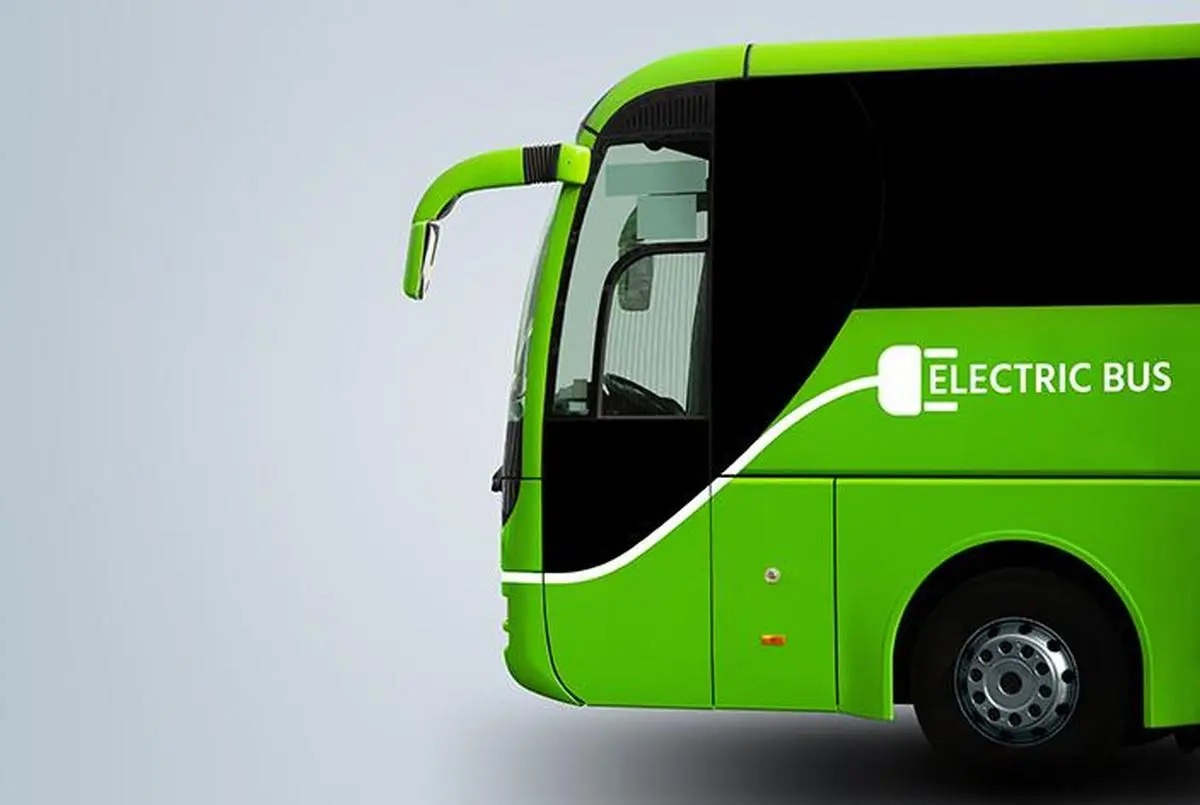
The Delhi government will induct 2,800 air-conditioned electric buses under the PM E-DRIVE scheme, with operations starting in April 2027. This initiative, consisting of 12-metre and 9-metre models, aims to bolster last-mile connectivity and expand the city's bus fleet to 14,000 by 2028-29, significantly reducing urban air pollution.
The capital city's public transport fleet is set for a major green transformation as the government moves to integrate 2,800 air-conditioned electric buses under the Centre's PM E-Drive Scheme.
NEW DELHI — The Delhi government has announced a significant expansion of its public transportation network, with plans to induct 2,800 new air-conditioned, low-floor electric buses into the Delhi Transport Corporation (DTC) fleet. The initiative, sanctioned under Phase-I of the Union government's PM E-DRIVE (Electric Drive Revolution in Innovative Vehicle Enhancement) scheme, is expected to begin operations starting April 2027, with full integration targeted by August 2028.
This strategic move aims to strengthen Delhi's green mobility footprint and aligns with the city's broader objective of expanding its total public bus fleet to approximately 14,000 vehicles by the 2028-29 fiscal year.
Strategic Fleet Expansion
Under the approved plan, the 2,800 electric buses will be split equally between 12-metre and 9-metre models, with 1,400 units of each size. According to official government statements, this bifurcation is designed to optimize route efficiency: the larger 12-metre buses will be deployed on high-demand corridors, while the 9-metre vehicles are specifically intended for narrow roads, rural pockets, and neighbourhood routes to enhance last-mile connectivity.
The buses will feature modern amenities, including air-conditioning, CCTV surveillance, panic buttons, and low-floor access to ensure passenger safety and convenience. To further improve operational efficiency, the government is collaborating with IIT Delhi to rationalize existing bus routes and reduce service duplication.
Operational Model and Financial Support
The induction will be executed under the Gross Cost Contract (GCC) model. Under this arrangement, private concessionaires remain responsible for owning and maintaining the electric buses, while the government provides payments on a per-kilometre basis. These service contracts are slated to run for a duration of 12 years.
The Central government is providing significant financial backing for the project through the PM E-DRIVE scheme, offering assistance of up to ₹35 lakh per 12-metre electric bus and ₹25 lakh per 9-metre electric bus. This support is part of the Ministry of Heavy Industries' broader initiative to accelerate EV adoption and build essential charging infrastructure nationwide.
Official Sources
The approval and rollout schedule were confirmed by the Delhi Chief Minister's Office. Detailed disclosures regarding the procurement, including the involvement of Convergence Energy Services Limited (CESL) and the terms of the GCC model, have been filed with BSE Limited.
Quote Section
"According to officials," the addition of these 2,800 zero-emission electric buses marks a pivotal step toward improving Delhi's air quality while providing citizens with a more convenient, modern, and sustainable public transport system.
Why It Matters
For residents of Delhi, the expansion translates into increased frequency, better reach in underserved areas, and a cleaner urban environment. By progressively retiring aging CNG-based buses in favour of an electric fleet, the city aims to substantially lower its carbon footprint. For the broader economy, the project reinforces the national push to reduce dependency on imported oil and fosters a robust EV ecosystem, supporting domestic manufacturing and clean energy goals.
Key Facts at a Glance
Total Induction: 2,800 AC, low-floor electric buses.
Rollout Timeline: Operations expected to commence in April 2027, with full fleet integration by August 2028.
Fleet Configuration: 1,400 buses at 12-metres; 1,400 buses at 9-metres.
Operational Model: Gross Cost Contract (GCC) model managed by the Delhi Transport Corporation.
Financial Support: Centre providing up to ₹35 lakh (12m) and ₹25 lakh (9m) per bus.
FAQ
What is the PM E-DRIVE scheme?
It is a Central government initiative by the Ministry of Heavy Industries to accelerate the adoption of electric vehicles by providing demand incentives and supporting the creation of charging infrastructure.
How will these new buses improve connectivity?
The 9-metre buses are specifically chosen to navigate narrower lanes and rural areas, ensuring that residents in previously underserved neighbourhoods have better access to the main public transport network.
Who operates these buses?
While the buses are inducted for Delhi Transport Corporation (DTC) services, they are operated under a Gross Cost Contract (GCC) model, where private concessionaires maintain the fleet and are paid per kilometre.
Source: Press Information Bureau, BSE Limited, Delhi Transport Corporation