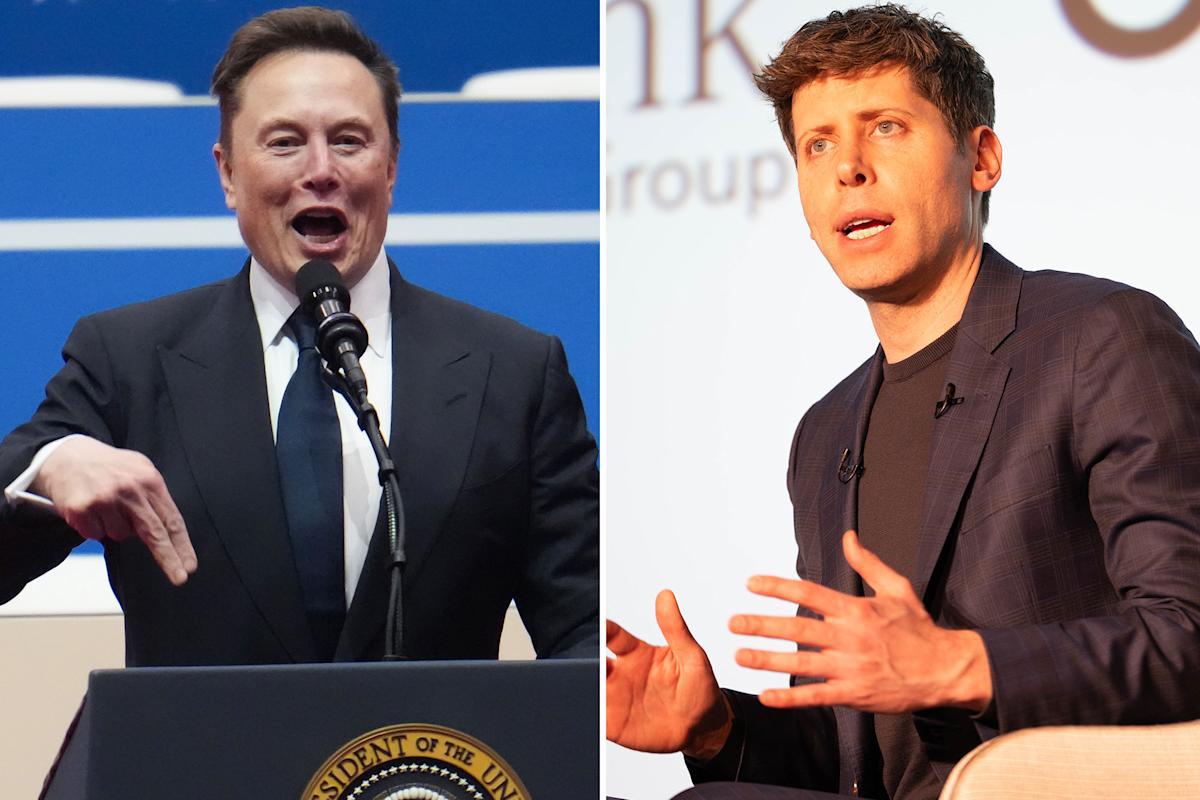
The high-stakes feud between Elon Musk and OpenAI CEO Sam Altman has taken a new turn, with Musk’s legal team urging a US judge to reject OpenAI’s request for access to private chats and documents involving Musk, Meta CEO Mark Zuckerberg, and other parties. This latest wrangle centers...
The high-stakes feud between Elon Musk and OpenAI CEO Sam Altman has taken a new turn, with Musk’s legal team urging a US judge to reject OpenAI’s request for access to private chats and documents involving Musk, Meta CEO Mark Zuckerberg, and other parties. This latest wrangle centers on a $97.4 billion bid Musk allegedly made for OpenAI assets, and reflects broader tensions over artificial intelligence innovation and corporate control.
Key Highlights from the Legal Dispute
Musk’s lawyers filed a motion late Tuesday seeking to block OpenAI from obtaining documents and chat logs from Meta Platforms related to Musk’s February bid for OpenAI.
OpenAI claims Musk attempted to recruit Mark Zuckerberg in the bid, but Meta declined involvement; OpenAI now seeks court orders compelling Meta to release pertinent communications.
Musk’s team insists all relevant documents have already been provided and labels OpenAI’s discovery request “expansive” and unwarranted for the current trial stage.
OpenAI’s lawyers counter that their request is narrowly targeted and covers only a brief window, arguing for depositions if any key conversations were oral.
US District Judge Yvonne Gonzalez Rogers previously ruled that Musk must face allegations he tried to damage OpenAI using public statements, lawsuits, and the bid now under scrutiny.
Inside the Billion-Dollar Bid and Legal Fallout
The origin of this conflict traces back to Musk’s $97.4 billion attempt to acquire OpenAI assets, an effort reportedly involving high-profile figures like Mark Zuckerberg. OpenAI alleges Musk tried to leverage his network to create pressure and sway corporate outcomes, but Meta’s refusal to participate prompted OpenAI to demand all possible communications and documents regarding the offer.
Meta’s legal team suggests OpenAI should instead pursue direct requests from Musk and his AI startup, xAI, rather than external parties. The filings reveal Musk and xAI have already handed over bid-related documents, and any additional requests are characterized as fishing expeditions designed to expand the scope of the trial unnecessarily.
Arguments from Both Sides
Musk’s lawyers maintain that their discovery submissions have been exhaustive and push for a strict limitation on further document requests, contending expansive discovery is not relevant until later trial phases.
OpenAI’s legal team rebuffs these claims as attempts to evade scrutiny, noting that the absence of documented chats implies the need for depositions and in-person testimony from Musk, xAI representatives, and other involved figures.
Court records show OpenAI’s requests are circumscribed to a tightly defined period, disputing Musk’s portrayal of a sprawling search.
Historical Context and Future Outlook
This legal drama is part of a broader dispute ignited last year when Musk sued OpenAI and Altman over the company’s transition from a not-for-profit to a commercial entity—a pivot Musk claims violates its founding principles. OpenAI responded with countersuits in April, citing Musk’s actions as calculated efforts to undercut OpenAI’s leadership in advanced AI platforms.
Judge Rogers’s ruling this month affirmed that Musk must confront accusations his statements and maneuvers—including the contested asset bid—were orchestrated to harm the company’s reputation and operations. With both sides digging in, a jury trial is scheduled for spring 2026, promising to keep major tech and AI circles on edge.
Final Word: What’s at Stake
The outcome of this document access debate could shape not only the trajectory of this legal battle, but standards for corporate transparency, competitive bidding, and executive communications in the fast-evolving world of artificial intelligence. As Musk and Altman exchange legal barbs, the entire industry watches for the precedent that may be set—one that could impact the conduct of technology titans and their ambitious projects for years to come.
Sources: Times of India, US News, Economic Times, Yahoo Finance