Key Highlights
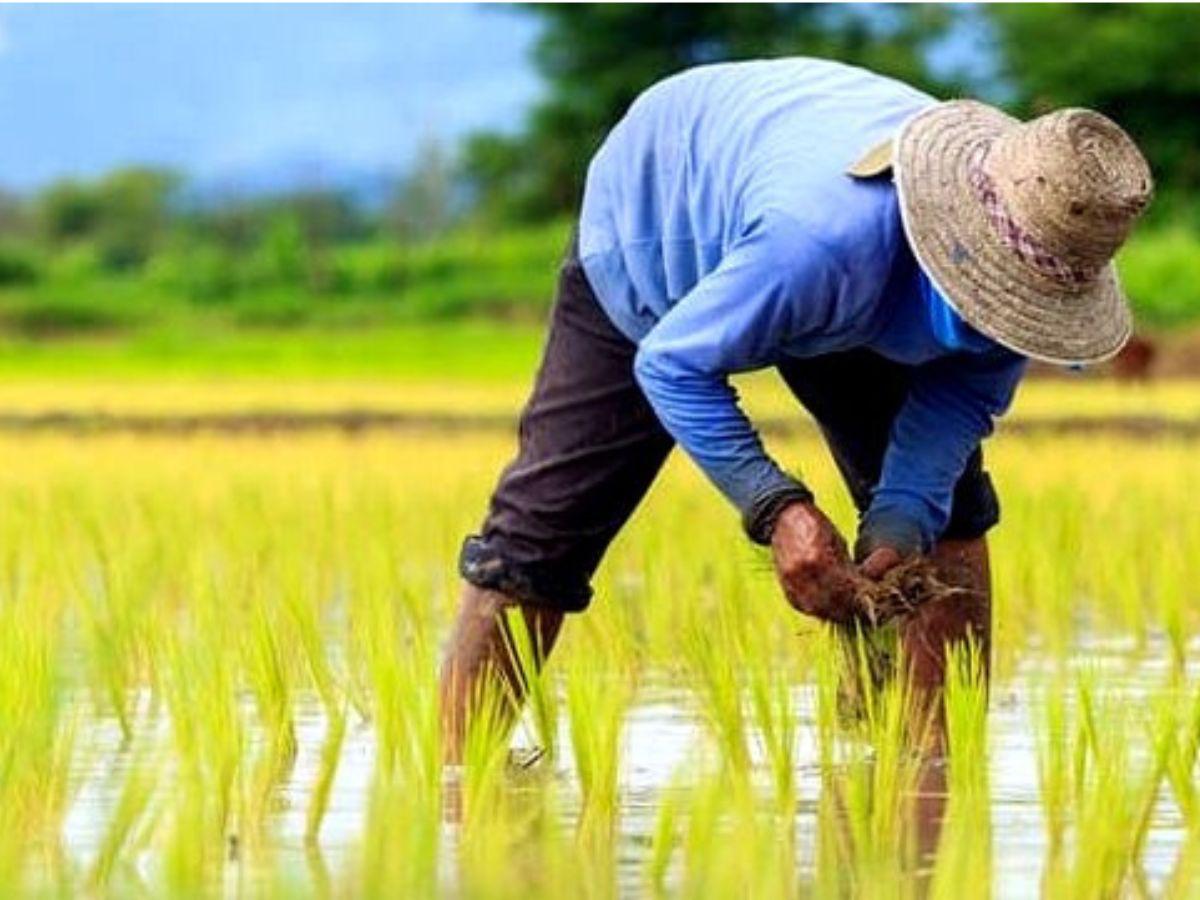
The recently signed India-UK Free Trade Agreement (FTA) has been affirmed by Madhya Pradesh Chief Minister Shivraj Singh Chouhan as fully protective of Indian farmers’ interests, ensuring no compromise on domestic agricultural safeguards
The agre...
Key Highlights
The recently signed India-UK Free Trade Agreement (FTA) has been affirmed by Madhya Pradesh Chief Minister Shivraj Singh Chouhan as fully protective of Indian farmers’ interests, ensuring no compromise on domestic agricultural safeguards
The agreement grants Indian agricultural exports near duty-free access to the UK’s lucrative $37.5 billion food and agriculture market, expected to boost Indian farm produce by over 20% in exports within three years
India has maintained protective tariffs on sensitive products like dairy, apples, oats, and edible oils, thus preventing any harmful competition from UK imports into vulnerable domestic sectors
Key Indian agricultural commodities such as spices (turmeric, pepper, cardamom), processed products (mango pulp, pickles, pulses), and marine exports (shrimp, tuna) will benefit from significantly reduced or zero tariffs under the deal
The trade pact supports diversification into high-value crops like jackfruit, millets, organic vegetables, and herbs, enhancing income avenues for farmers and promoting sustainable agricultural growth
Shivraj Singh Chouhan emphasized that this partnership balances increased market access with rigorous protection of farmer welfare and domestic price stability, addressing concerns raised during trade negotiations
The agreement is also viewed as a strategic model for India’s future trade pacts with the European Union, the US, and other large economies, giving confidence to farmers and exporters in a globalizing market
Overview of the India-UK Trade Deal and Its Agricultural Provisions
Signed on July 24, 2025, the India-UK FTA is a landmark bilateral agreement aimed at strengthening trade ties and opening new avenues for economic growth. Indian agriculture stands as a central beneficiary. Shivraj Singh Chouhan, a senior political leader and advocate for farmer rights, lauded the deal for being crafted with “complete protection” for India’s farming community.
The deal removes tariffs on over 95% of India’s agricultural and processed food exports, improving competitiveness in UK markets. Notably, premium Indian products like spices, tea, coffee, pulses, and ready-to-eat meals gain enhanced access with duty elimination. This will expand Indian presence not only in ethnic retail but also mainstream distribution channels in the UK.
Protective Measures for Sensitive Sectors
Despite liberalization, India has preserved crucial protections for sensitive agricultural sectors:
Dairy products, apples, oats, and edible oils are exempted from tariff reductions to shield Indian farmers and dairy producers from import surges that could depress prices
Fixed tariffs and quotas on selected UK imports like vehicles and alcoholic beverages ensure graduated adjustment preventing shock impacts on domestic producers
These safety nets reinforce India’s commitment to farmer livelihoods and maintain food security considerations amid trade expansions
Economic and Sectoral Implications
The robust access accorded by the India-UK FTA is projected to increase agricultural exports by over 20% in the initial years. Sectors like fisheries, especially in coastal states such as Andhra Pradesh, Odisha, Kerala, and Tamil Nadu, anticipate substantial gains from duty removals on shrimp, tuna, fishmeal, and feeds. The rising UK demand for premium seafood matches India’s growing production capabilities.
Furthermore, farmers cultivating emerging crops like millets and jackfruit stand to benefit from new export opportunities, fostering diversification and reducing economic dependence on traditional staples. Organic herbs and vegetables promoted under the pact reflect global trends favoring sustainable and health-conscious produce.
Shivraj Singh Chouhan’s Perspective and Commitment
Chouhan emphasized that the government has taken great care to ensure the deal “fully safeguards farmers’ interests.” He highlighted the negotiation’s sensitive balancing act: “Providing Indian farmers with better global market access while protecting vulnerable domestic sectors from unfair competition.”
He also reassured stakeholders that the agricultural price stability and welfare mechanisms in place will continue to function effectively. The FTA is viewed not simply as a trade agreement but as a catalyst for empowering Indian farmers to compete successfully on the international stage.
Looking Ahead: India’s Trade Strategy and Farmers’ Future
The India-UK FTA sets a precedent for India’s approach to international trade that combines market openness with protection of critical domestic sectors. Policymakers, including Shivraj Singh Chouhan, see this as a blueprint for building confidence among farmers and exporters in subsequent talks with the European Union, the United States, and others.
The government projects that this and future agreements will help India achieve its target of $100 billion in agricultural exports by 2030, contributing substantially to rural income growth and agricultural modernization.
Conclusion
The India-UK Free Trade Agreement embodies a nuanced balance between expanding opportunities for Indian farmers in one of the world’s richest food markets and preserving domestic agriculture’s delicate ecosystems. According to Shivraj Singh Chouhan, farmer interests have been “fully protected” through strategic tariff exemptions and product-specific safeguards.
As Indian agriculture prepares to capitalize on new export avenues for traditional and innovative crops, the FTA offers a hopeful vision for farm sector growth with stability and sustainability in a globalized economy.
Sources: Times of India