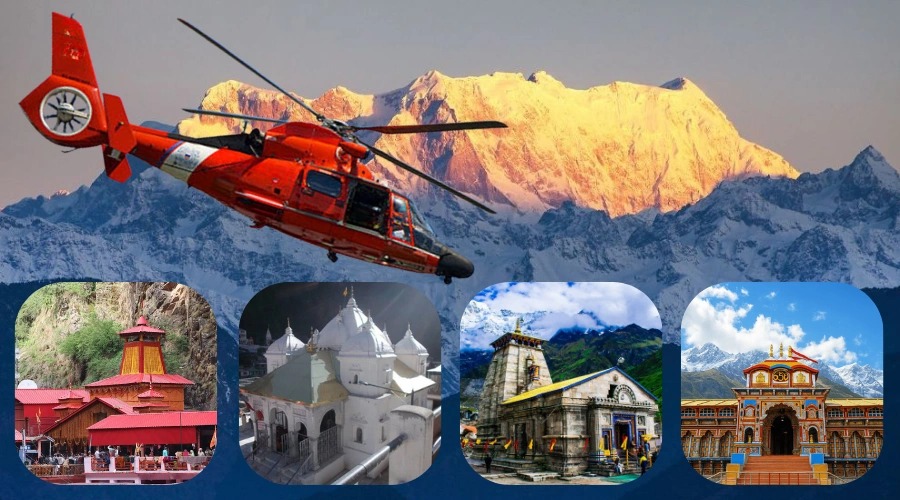
The first phase of the 2026 Char Dham helicopter operations concluded on June 26, safely transporting over 78,000 pilgrims. Led by the Ministry of Civil Aviation, the initiative implemented strict safety measures, including passenger load caps and advanced weather monitoring, marking a successful, incident-free period for Himalayan pilgrimage aviation.
Enhanced safety protocols and multi-layered monitoring ensure incident-free travel for over 78,000 pilgrims during the initial phase of the pilgrimage.
NEW DELHI — The Ministry of Civil Aviation announced on Saturday that the first phase of helicopter operations for the 2026 Char Dham Yatra concluded successfully on June 26, achieving a record of incident-free transit for tens of thousands of devotees. Commencing in April, this phase saw approximately 400 daily helicopter movements across the challenging Himalayan terrain, setting a new benchmark for aviation safety in the region.
Operational Milestone and Safety Strategy
During the first phase, helicopter services facilitated the movement of 67,064 pilgrims through 12,032 shuttle departures, while an additional 2,065 charter operations served 11,715 passengers. The Ministry attributed this successful run to a comprehensive safety framework developed in coordination with the Uttarakhand Civil Aviation Development Authority (UCADA) and the Directorate General of Civil Aviation (DGCA).
Following an extensive review of past seasons, the government implemented a "zero-tolerance" safety strategy. Key enhancements included capping passenger loads at 70% of maximum capacity, rationalizing charter flights, and installing specialized aviation safety markers on high-tension power lines to improve pilot visibility.
Surveillance and Weather Monitoring
To mitigate risks inherent in the rugged Himalayan environment, the government upgraded its operational infrastructure significantly. The Ministry reported the installation of 33 Pan-Tilt-Zoom (PTZ) cameras for real-time surveillance across critical helipads. Furthermore, two Integrated Command, Control, Communication, and Coordination Centres (ICCCCs) were established in Sahastradhara and Sitapur to centralize tracking and management.
"We identified root causes of previous issues, strengthened regulatory oversight, enhanced air traffic coordination, and aligned every stakeholder around one common objective: aviation safety," said Union Minister for Civil Aviation Ram Mohan Naidu. Five new Automatic Weather Observation Systems (AWOS) and Ceilometers were also deployed at key locations, including Kedarnath and Badrinath, to provide continuous, precise weather data to pilots.
Official Sources
According to the Ministry of Civil Aviation, the oversight mechanism involved weekly review meetings chaired jointly by the Secretary of the Ministry of Civil Aviation and the Chief Secretary of the Government of Uttarakhand. This institutionalized collaboration ensured the timely resolution of logistical and operational challenges throughout the first phase of the Char Dham Yatra.
Why It Matters
The successful completion of this phase is significant not only for the safety of pilgrims but also for the future of mountain aviation in India. By integrating advanced surveillance and standardized ground-handling procedures, the government has created a repeatable safety model for high-altitude pilgrimage routes. For devotees, this means greater reliability and reduced physical stress, while the integration of modern weather monitoring systems significantly lowers the risks of delays and accidents common in previous years.
Key Facts at a Glance
Total Pilgrims Served: Over 78,000 pilgrims traveled via helicopter during the first phase.
Operational Volume: Approximately 400 helicopter movements were conducted daily.
Safety Cap: Passenger load was strictly limited to 70% of maximum aircraft capacity to ensure safer flight performance.
Tech Upgrades: Deployment of 33 PTZ cameras and five Automatic Weather Observation Systems (AWOS) across the sector.
Frequently Asked Questions
How many pilgrims utilized helicopter services in the first phase?
A total of 78,779 pilgrims used helicopter services—67,064 through shuttle departures and 11,715 through charter operations.
What safety measures were introduced this year?
Key measures included load capacity capping, high-tension wire marking, 24/7 centralized monitoring via ICCCCs, and advanced weather observation systems.
Was the operation incident-free?
Yes, the Ministry of Civil Aviation confirmed that the first phase concluded without any aviation incidents.
Will helicopter operations continue for the remainder of the Yatra?
Yes, the infrastructure and safety protocols established during this phase will continue to govern operations for the remainder of the 2026 pilgrimage season.
Source: Ministry of Civil Aviation, Press Information Bureau (PIB), Uttarakhand Civil Aviation Development Authority (UCADA)