India’s nightlife and culinary culture are undergoing a radical transformation, and the latest trend sweeping across urban hubs is the rise of food raves. These immersive gatherings blend music, movement, and menus into a single, high-energy experience that’s part party, part performa...
India’s nightlife and culinary culture are undergoing a radical transformation, and the latest trend sweeping across urban hubs is the rise of food raves. These immersive gatherings blend music, movement, and menus into a single, high-energy experience that’s part party, part performance, and part shared meal. From matcha-fueled mornings to donut dance floors, food raves are fast becoming the preferred format for Gen Z and millennial audiences seeking sensory, social, and shareable experiences.
Here’s a deep dive into the phenomenon, its cultural roots, and why it’s more than just a passing fad.
Key Highlights From The Movement
- Food raves combine DJ-led music, curated menus, and interactive dining in intimate settings
- Events are typically capped at 50 to 100 guests, creating a house-party vibe with gourmet flair
- Brands like Mad Over Donuts and August Cafe have hosted themed raves around donuts and coffee respectively
- Social media plays a central role, with guests sharing Reels, photos, and behind-the-scenes moments
- The format appeals to Gen Z’s desire for authenticity, community, and multi-sensory engagement
What Is A Food Rave?
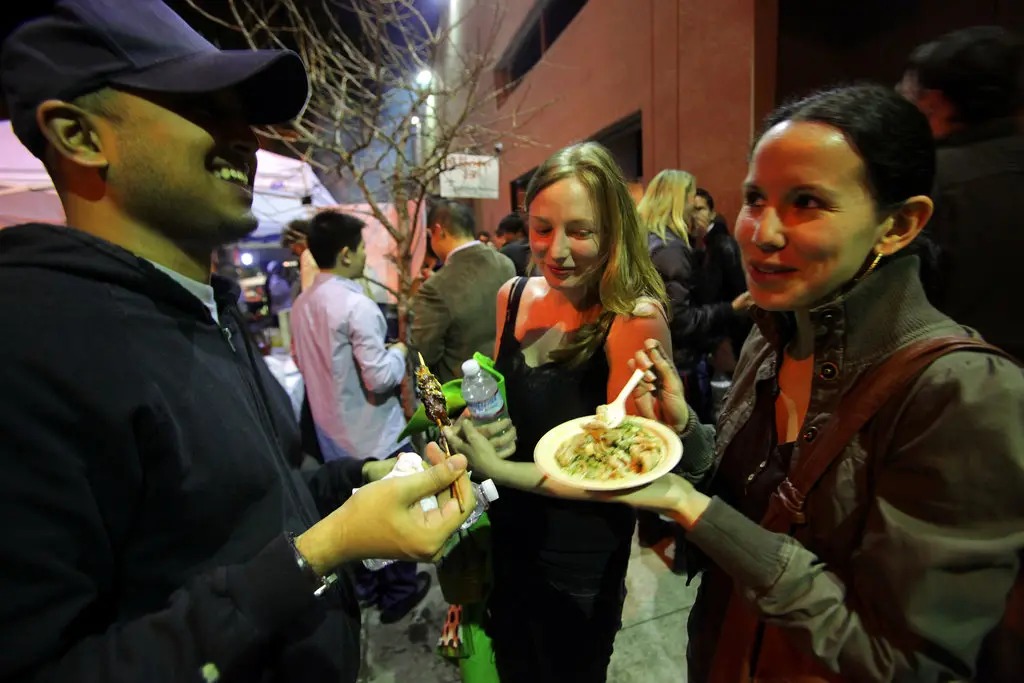
A food rave is neither a sit-down dinner nor a conventional club night. It’s a hybrid experience where food is the focal point, but music and ambiance elevate it into something theatrical. Chefs design menus that match the energy of the room, often preparing dishes live while DJs spin curated sets. Guests move, mingle, and munch—sometimes dancing with a slice of pizza or sipping matcha between beats.
- Kitchen Rave, a Delhi-based concept, began as a casual hangout and evolved into a curated series
- Menus are often themed, seasonal, and designed to complement the music genre or time of day
- The vibe is intimate and immersive, with lighting, decor, and plating all contributing to the mood
Why It Works: The Gen Z Equation
Food raves resonate with younger audiences because they combine three core passions—food, music, and social connection. Unlike traditional dining formats, food raves are participatory and unpredictable. They offer a sense of belonging and novelty, wrapped in a format that’s visually rich and digitally shareable.
- Gen Z values experiences over possessions, and food raves deliver on that front
- The events are designed to be Instagram-friendly, with photo booths, themed props, and aesthetic plating
- Guests often describe the experience as sensory, emotional, and memorable
Brand Activation And Commercial Appeal
Food raves are also proving to be powerful brand activations. Mad Over Donuts hosted India’s first donut rave in Delhi, complete with live DJ, contests, and donut-themed decor. August Cafe in Mumbai followed with a morning coffee rave, designed to energize the day rather than wind it down. These events allow brands to connect with audiences in a format that’s experiential and emotionally resonant.
- Food brands are using raves to launch new products, test flavors, and build community
- The format allows for direct consumer feedback and organic content creation
- Influencers and micro-creators amplify the reach, turning local events into viral moments
The Future Of Food Raves
As experiential dining continues to evolve, food raves are likely to expand into new formats—sunrise smoothie raves, midnight ramen parties, or even wellness-themed gatherings with adaptogenic drinks and ambient soundscapes. The concept is flexible, scalable, and ripe for innovation.
- Expect collaborations between chefs, DJs, and wellness experts
- Tech integration like AR menus or AI-curated playlists may enhance personalization
- Regional flavors and local ingredients will shape the next wave of food rave menus
Conclusion: A Cultural Shift On The Plate
Food raves are more than just trendy events—they represent a cultural shift in how India’s youth engages with food, music, and each other. As the lines between dining, entertainment, and social connection blur, food raves offer a format that’s inclusive, expressive, and endlessly adaptable. Whether it’s a matcha morning or a donut dance night, the era of food raves is here—and it’s deliciously loud.
Sources: Hindustan Times, Elle India, The Event Planner Expo