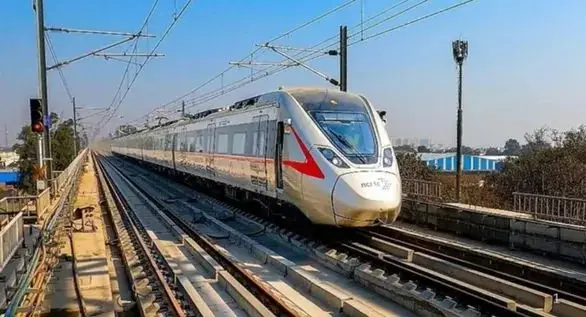
Starting today, August 25, 2025, commuters in the Delhi-NCR region will have to pay more to travel via Delhi Metro. After nearly eight years without any fare increase, the Delhi Metro Rail Corporation (DMRC) has implemented a revised fare structure with nominal hikes ranging between Re 1 and Rs 4...
Starting today, August 25, 2025, commuters in the Delhi-NCR region will have to pay more to travel via Delhi Metro. After nearly eight years without any fare increase, the Delhi Metro Rail Corporation (DMRC) has implemented a revised fare structure with nominal hikes ranging between Re 1 and Rs 4, depending on the travel distance. The Airport Express Line has seen a slightly higher hike of up to Rs 5.
Key Highlights Of The Fare Revision
-
This is the first fare hike by DMRC since 2017 when fares were last revised following recommendations from the fourth Fare Fixation Committee.
-
Fares now start at Rs 11 for journeys up to 2 km, increasing stepwise to Rs 64 for trips exceeding 32 km on regular lines.
-
The Airport Express Line fares have gone up to a maximum of Rs 69, with fare increments of up to Rs 5.
-
The new fare slabs for Monday to Saturday are Rs 11 (0-2 km), Rs 21 (2-5 km), Rs 32 (5-12 km), Rs 43 (12-21 km), Rs 54 (21-32 km), and Rs 64 (beyond 32 km).
-
On Sundays and national holidays, fares are slightly reduced for some distance slabs to encourage travel.
-
To help manage the increased fares, DMRC continues offering up to 20% discount for commuters using the Delhi Metro Smart Card, especially during off-peak travel hours.
-
The Smart Card is widely promoted for daily commuters as it offers convenience, faster station entry, and easy recharge options including digital payments.
-
Despite the nominal increase, many commuters have voiced concerns about the fare hike, questioning the justification given no major visible service upgrades accompanied the increase.
Understanding The Implications For Daily Commuters
Delhi Metro is the lifeline for millions who commute daily across the National Capital Region, providing fast, safe, and efficient travel. While the fare hike may seem modest on paper, repeated journeys mean a noticeable increase in monthly commuting budgets.
The increment reflects ongoing operational cost pressures faced by DMRC, including maintenance, staff salaries, and energy expenses. The delay in fare revision over the past eight years was possible thanks to subsidy support, which is now being recalibrated.
Possible Money-Saving Options For Riders
Frequent metro users can minimise impact by using the Smart Card extensively. Benefits include:
A flat 10% discount on fares when using the card.
An additional 10% discount during the afternoon off-peak period from 12 PM to 5 PM.
Convenient recharge and usage across metro and connected bus networks.
Exploring these options can help commuters save almost 20% on each journey compared to token fares.
Broader Context And Future Prospects
The fare revision comes amid rising fuel prices and inflationary pressures impacting urban transport systems nationwide. Many metropolitan rail services across India and globally review fares periodically to keep pace with costs and maintain service standards.
DMRC continues to expand its network and innovate with modern facilities, and future fare reviews may tie increases more closely to service improvements.
Conclusion
The Delhi Metro fare hike effective August 25, 2025, marks a significant change for daily commuters in the capital region after nearly a decade without adjustment. While the rise is moderate, it poses budget challenges for frequent users. Adopting Smart Cards and planning travel during off-peak times can offer some relief. The hike reflects broader economic pressures and points to the balancing act between affordable public transport and sustainable operations in a megacity.
Sources: NDTV, Hindustan Times, Economic Times, India Today