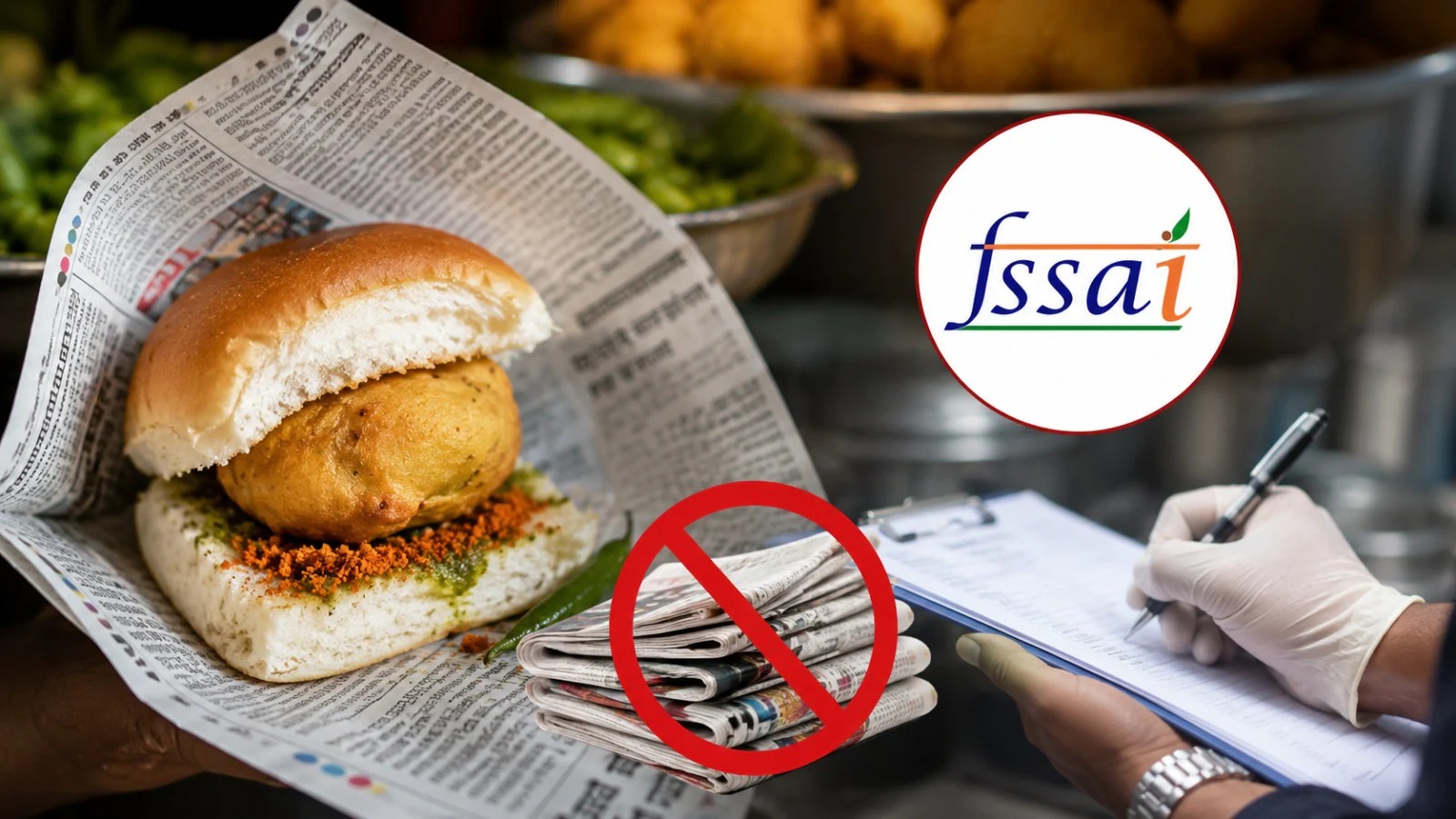
The FSSAI has reaffirmed a ban on using newspapers to wrap or serve food, citing severe health risks from toxic printing inks and contaminants. The regulator is urging vendors to transition to food-grade materials and has directed state authorities to increase enforcement and public awareness to ensure consumer safety.
The Food Safety and Standards Authority of India (FSSAI) has issued a renewed directive reiterating the prohibition on using newspapers for wrapping, packing, and serving food items. The regulatory body, operating under the Ministry of Health and Family Welfare, underscored that such practices pose significant public health risks due to the presence of harmful chemicals, heavy metals, and pathogenic microorganisms found in printing inks.
This directive serves as a reminder to food business operators (FBOs), street food vendors, and consumers regarding the long-standing regulations under the Food Safety and Standards (Packaging) Regulations, 2018. The FSSAI mandate aims to curb the widespread, unhygienic practice of using discarded newspapers to absorb excess oil from fried foods or to contain hot meals, which can facilitate the transfer of toxic substances from the paper into the food.
Health Hazards of Newspaper Contamination
The primary concern cited by food safety experts is the chemical composition of printing inks. Newspaper ink often contains bioactive materials, synthetic colors, and solvents that are not classified as food-grade. When these materials come into contact with food—particularly oily or hot items—the heat and moisture cause the ink to leach into the consumable products.
According to the FSSAI, prolonged exposure to these substances can have detrimental health consequences. Printing inks may contain lead, heavy metals, and chemicals like phthalates, which are linked to various health complications, including hormonal imbalances, digestive issues, and long-term toxicity. Furthermore, the paper itself is often exposed to environmental contaminants during distribution and handling, which can introduce bacteria and other pathogens into the food supply chain.
Regulatory Framework and Compliance
The FSSAI has consistently maintained that food safety standards must be upheld across all levels of the industry, from large-scale manufacturers to small roadside stalls. Under the existing regulatory framework, FBOs are required to use materials that are chemically inert and specifically manufactured for food contact, such as food-grade parchment paper or specific wax-coated sheets.
The FSSAI has directed State Food Safety Commissioners to intensify enforcement efforts through increased inspections and public awareness campaigns. Failure to comply with these safety standards can lead to penalties under the Food Safety and Standards Act, 2006. The regulator is currently focusing on regional hubs where the practice remains prevalent, ensuring that vendors transition to safer, permitted packaging alternatives.
Official Sources
Quote Section
According to officials at the FSSAI, "The use of newspapers for wrapping or serving food is a serious health hazard. Printing inks are not food-grade and contain chemicals that can migrate into food, posing risks of long-term health complications for consumers."
Why It Matters
This directive is critical for public health, as it directly impacts food hygiene standards in India. For consumers, the shift away from newspaper packaging reduces exposure to carcinogens and heavy metals. For street food vendors and small businesses, it necessitates the adoption of safer, albeit slightly more expensive, packaging materials. Effective implementation is expected to reduce the incidence of foodborne illnesses and improve the overall safety profile of India’s expansive street food sector.
Key Facts at a Glance
Prohibition: The use of newspapers for wrapping, serving, or packing food is strictly prohibited under the Food Safety and Standards (Packaging) Regulations, 2018.
Health Risk: Printing inks contain heavy metals, lead, and chemicals that leach into food, especially when heated or oily.
Safety Alternatives: FBOs are advised to use food-grade parchment paper or certified packaging materials instead of newspapers.
Enforcement: State Food Safety Commissioners have been tasked with conducting regular inspections to ensure compliance among vendors and businesses.
FAQ
Why are newspapers considered dangerous for food contact?
Newspapers are printed with inks that contain toxic chemicals, heavy metals, and dyes not intended for ingestion. These chemicals can migrate into food upon contact, particularly if the food is hot or oily.
Are there any exceptions to this rule?
No. The FSSAI has clarified that the prohibition applies universally to all food business operators, including hawkers, street food vendors, and retailers.
What should vendors use instead?
Vendors are required to use food-grade packaging materials, such as parchment paper, wax-coated paper, or other materials that have been officially certified for food contact.
What is the penalty for using newspapers for food?
Non-compliance can result in legal action and penalties under the Food Safety and Standards Act, 2006, which empowers authorities to suspend licenses and impose fines for violations of safety standards.
Source: Food Safety and Standards Authority of India (FSSAI), Ministry of Health and Family Welfare