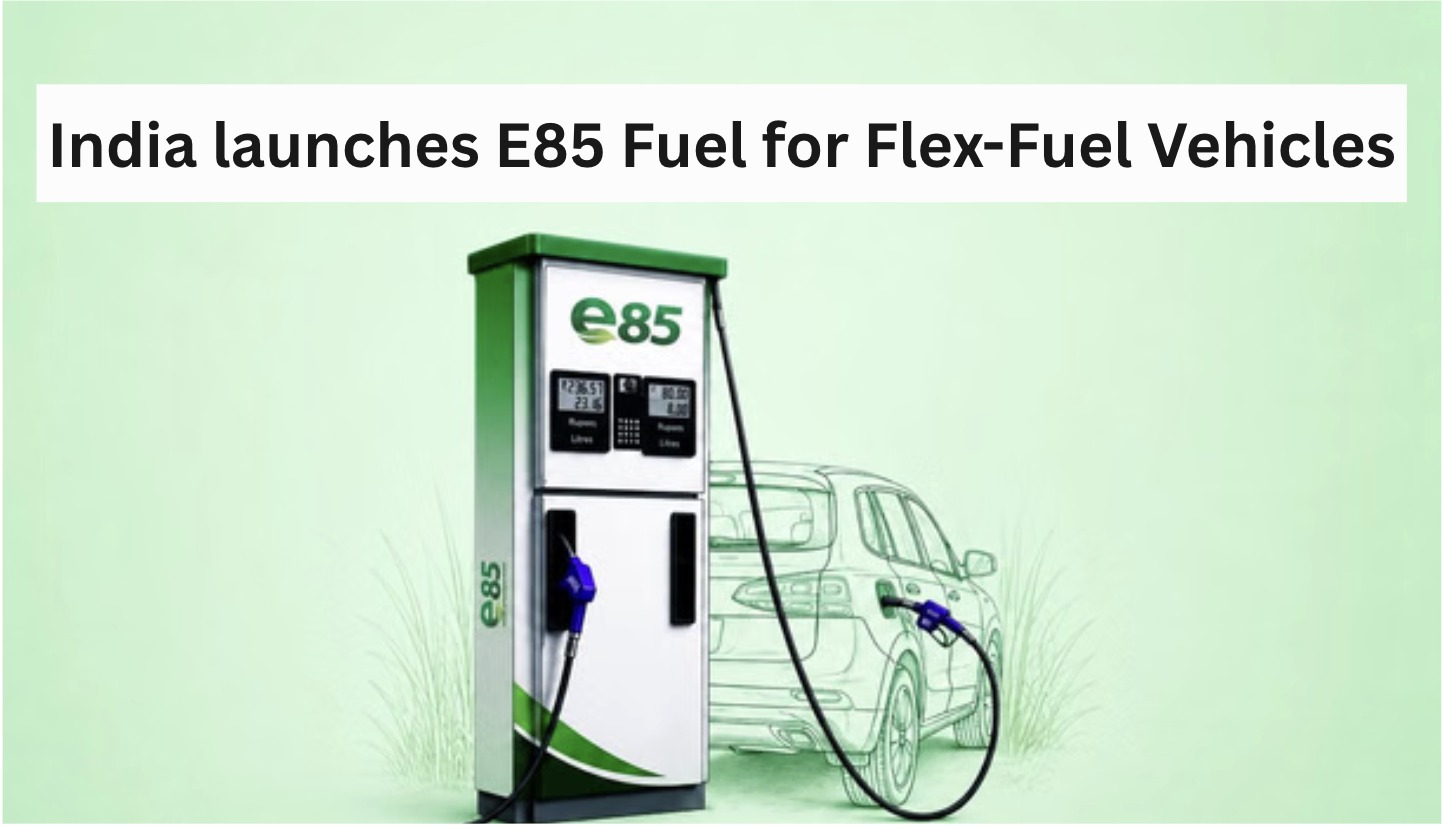
Flex-fuel vehicles are engineered to operate on a range of ethanol-gasoline blends, including E85. By utilizing advanced sensors and durable fuel system components, these vehicles help reduce dependence on fossil fuels and lower emissions. As India targets higher ethanol blending, this technology is becoming vital for energy security.
As the automotive industry shifts toward alternative energy sources, flex-fuel vehicles (FFVs) have emerged as a pivotal technology for reducing reliance on fossil fuels. Designed to run on a blend of gasoline and ethanol—including the high-ethanol mixture known as E85—these vehicles represent a significant component of the Indian government’s roadmap for sustainable mobility and the national Ethanol Blended Petrol (EBP) program.
A flex-fuel vehicle is an internal combustion engine vehicle equipped with a specialized fuel system that can operate on gasoline, any blend of ethanol and gasoline, or up to 85% ethanol (E85). Unlike standard internal combustion engines, which are calibrated for a fixed ratio of fuel, FFVs utilize advanced sensors and engine control units (ECUs) to automatically adjust fuel injection and ignition timing based on the detected ethanol concentration in the tank.
Engineering and Technology of Flex-Fuel Vehicles
The core technology behind an FFV is the fuel composition sensor. This component constantly monitors the ratio of ethanol to gasoline in the fuel system. When the fuel mixture changes—for instance, when a driver fills the tank with a different blend—the sensor sends real-time data to the engine’s ECU. The ECU then recalibrates the air-fuel mixture and ignition spark to ensure optimal combustion efficiency, regardless of whether the fuel is 100% gasoline or 85% ethanol.
Because ethanol has a lower energy density than gasoline, FFVs require larger fuel injectors and modified fuel lines. Ethanol is also more corrosive than gasoline, necessitating the use of specialized materials for seals, gaskets, and fuel tanks to prevent degradation. According to the Ministry of Road Transport and Highways (MoRTH), these structural modifications are essential for ensuring the longevity and safety of the engine when operating under variable fuel conditions.
The Role of E85 Fuel
E85 fuel consists of 85% ethanol and 15% gasoline. The inclusion of a small percentage of gasoline is necessary to ensure the engine can start reliably, particularly in colder climates where pure ethanol might have difficulty vaporizing. By utilizing higher concentrations of ethanol, E85 significantly reduces tailpipe emissions of carbon monoxide, hydrocarbons, and sulfur compounds compared to traditional fossil fuels.
The Indian government, through the Ministry of Petroleum and Natural Gas (MoPNG), has been actively promoting the adoption of these vehicles as part of its goal to reach a 20% ethanol-blended petrol (E20) target across the country, with a long-term vision to expand towards higher flex-fuel compatibility. This transition is viewed as a strategic measure to curb crude oil import costs and support the agricultural sector by creating a steady demand for sugarcane-based ethanol.
Quote Section
According to officials at the Ministry of Petroleum and Natural Gas, the promotion of flex-fuel vehicles is central to the nation's energy security strategy. They stated that such technology allows for greater flexibility in fuel sourcing and provides a viable pathway to reduce the carbon footprint of the domestic transport sector.
Why It Matters
For consumers, the adoption of flex-fuel vehicles offers a hedge against the volatility of global crude oil prices. As more FFVs hit the market, vehicle owners may benefit from lower fuel costs, as ethanol is generally more affordable than refined petrol. Furthermore, for investors and the automotive industry, the transition to flex-fuel technology represents a multi-billion dollar shift in manufacturing priorities, requiring substantial investment in engine R&D and supply chain logistics to support E85 infrastructure.
Key Facts at a Glance
Dual Capability: Flex-fuel vehicles can operate on gasoline, E85, or any mixture of the two.
Automatic Adjustment: Specialized onboard sensors allow the engine's ECU to calibrate for various fuel ratios in real-time.
Infrastructure: E85 requires specific fuel system hardware, including corrosion-resistant materials and high-flow injectors.
Energy Density: Ethanol contains less energy per liter than gasoline, which can lead to a slight reduction in fuel economy when running on high-ethanol blends.
FAQ
Can I put E85 in a standard gasoline car?
No. Standard gasoline engines are not equipped with the necessary fuel sensors, hardened seals, or fuel system materials to handle the corrosive nature of high-ethanol blends like E85. Doing so can cause significant engine damage.
Will my mileage change if I use E85?
Yes. Because ethanol has lower energy density than gasoline, you may notice a decrease in fuel efficiency (kilometers per liter) when operating a flex-fuel vehicle on E85 compared to standard gasoline.
Are flex-fuel vehicles common in India?
While the Indian government is actively promoting FFVs, they are still in the early stages of mass-market adoption. Several major automakers have launched pilot models, and more widespread availability is expected as blending targets increase.
How do I identify if my car is a flex-fuel vehicle?
Flex-fuel vehicles are typically marked with a badge or a sticker near the fuel filler cap or on the vehicle's exterior indicating "Flex-Fuel" or the specific ethanol blends they are certified to handle.
Official Sources