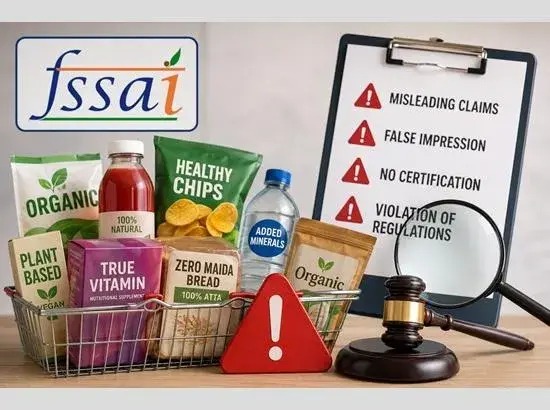
The FSSAI has issued notices to Lotte India, Ferns N Petals, and Kubera Foods for allegedly making misleading claims and violating labeling norms. This crackdown is part of the regulator's broader effort to stop brands from using unverified health, organic, and freshness claims on their packaged products.
NEW DELHI — The Food Safety and Standards Authority of India (FSSAI) has intensified its regulatory oversight by issuing notices to several prominent food business operators (FBOs), including Lotte India Corporation, Ferns N Petals, and Kubera Foods, citing misleading product claims and labeling violations. The companies have been directed to provide a formal explanation within seven days as to why legal action should not be initiated under the provisions of the Food Safety and Standards (FSS) Act, 2006.
The latest enforcement action, confirmed by the regulator on July 8, 2026, marks an expansion of the FSSAI's ongoing crackdown on deceptive marketing practices in the packaged food and beverage sector. The authority is scrutinizing how brands market their products using terms such as "100%," "natural," "fresh," and "organic" without necessary scientific substantiation or regulatory approval.
Alleged Violations and Labeling Concerns
According to regulatory disclosures, the notices highlight a range of discrepancies across various product categories:
Lotte India Corporation: The regulator flagged "100% Vegetarian" claims on certain Choco Pie products. Additionally, the naming convention of specific "Fruitz Eclairs" was found potentially misleading as the products reportedly do not contain actual fruit content.
Ferns N Petals: The company’s "Roasted Almond Chocolate" was flagged for being marketed as "Premium Chocolate" despite containing hydrogenated vegetable fat, alongside deficiencies in ingredient and nutritional disclosures.
Kubera Foods: The regulator issued a notice regarding its "Soft and Fresh Cream Bun Pineapple," which was labeled as "100% Natural" and "No Preservatives, Colours & Flavours," despite labels indicating the presence of synthetic food colors, flavorings, and preservatives.
Broader Regulatory Crackdown
This latest move follows a series of similar actions taken by the FSSAI in early July 2026 against brands such as Heritage Foods, Dia Foods, and Cipzer Nutraceuticals. In those cases, the regulator challenged claims of "Fresh Paneer," "100% Organic" chocolate spreads, and "FSSAI Approved" juice capsules.
The FSSAI has consistently clarified that while it licenses food businesses, it does not provide individual product endorsements. The regulator maintains that the use of terms like "Healthy," "Fresh," and "100% Natural" must strictly adhere to the standards laid down in the Food Safety and Standards (Advertising and Claims) Regulations, 2018.
Official Sources
Information regarding these notices is based on public disclosures and official social media communications from the Food Safety and Standards Authority of India (FSSAI). Regulatory frameworks cited include the FSS Act, 2006 and the 2018 Advertising and Claims Regulations.
Quote Section
According to officials, these enforcement measures are aimed at ensuring that food products do not carry claims or labels that could mislead consumers or imply regulatory approval where none exists. The regulator has directed all affected FBOs to strictly comply with established standards and take immediate corrective measures to address the identified non-compliances.
Why It Matters
For consumers, the FSSAI’s stricter stance is intended to promote transparency and prevent companies from utilizing deceptive marketing to influence purchasing decisions. For food businesses, the heightened scrutiny emphasizes that promotional claims—particularly those regarding health and nutritional benefits—must be supported by verifiable scientific evidence. Failure to comply can lead to significant financial penalties, mandatory packaging redesigns, and loss of consumer trust in a competitive market.
Key Facts at a Glance
Regulatory Authority: Food Safety and Standards Authority of India (FSSAI).
Action Taken: Show-cause notices issued requiring explanations within seven days.
Primary Concerns: Misleading use of terms like "100%," "Natural," "Fresh," and unauthorized "FSSAI Approved" claims.
Recent Scope: Includes Lotte India, Ferns N Petals, Kubera Foods, and several other major food brands.
FAQ Section
What constitutes a "misleading claim" under FSSAI rules?
A claim is considered misleading if it is unsubstantiated, implies health or nutritional benefits that the product does not possess, or suggests government approval where only a standard business license exists.
What happens if a company fails to respond to the FSSAI notice?
Failure to provide a satisfactory explanation or undertake corrective measures can lead to legal action under the FSS Act, 2006, which includes heavy fines and potential suspension of business operations.
Can companies use the "FSSAI Approved" label?
No. FSSAI clarifies that it licenses food businesses to operate, but it does not "approve" or endorse individual food products in the manner that labels often imply.
Where can consumers report misleading food advertisements?
Consumers can report misleading food marketing and labeling via the FSSAI’s official website or its consumer grievance portal.
Source: Food Safety and Standards Authority of India (FSSAI), Business Standard, NDTV Profit