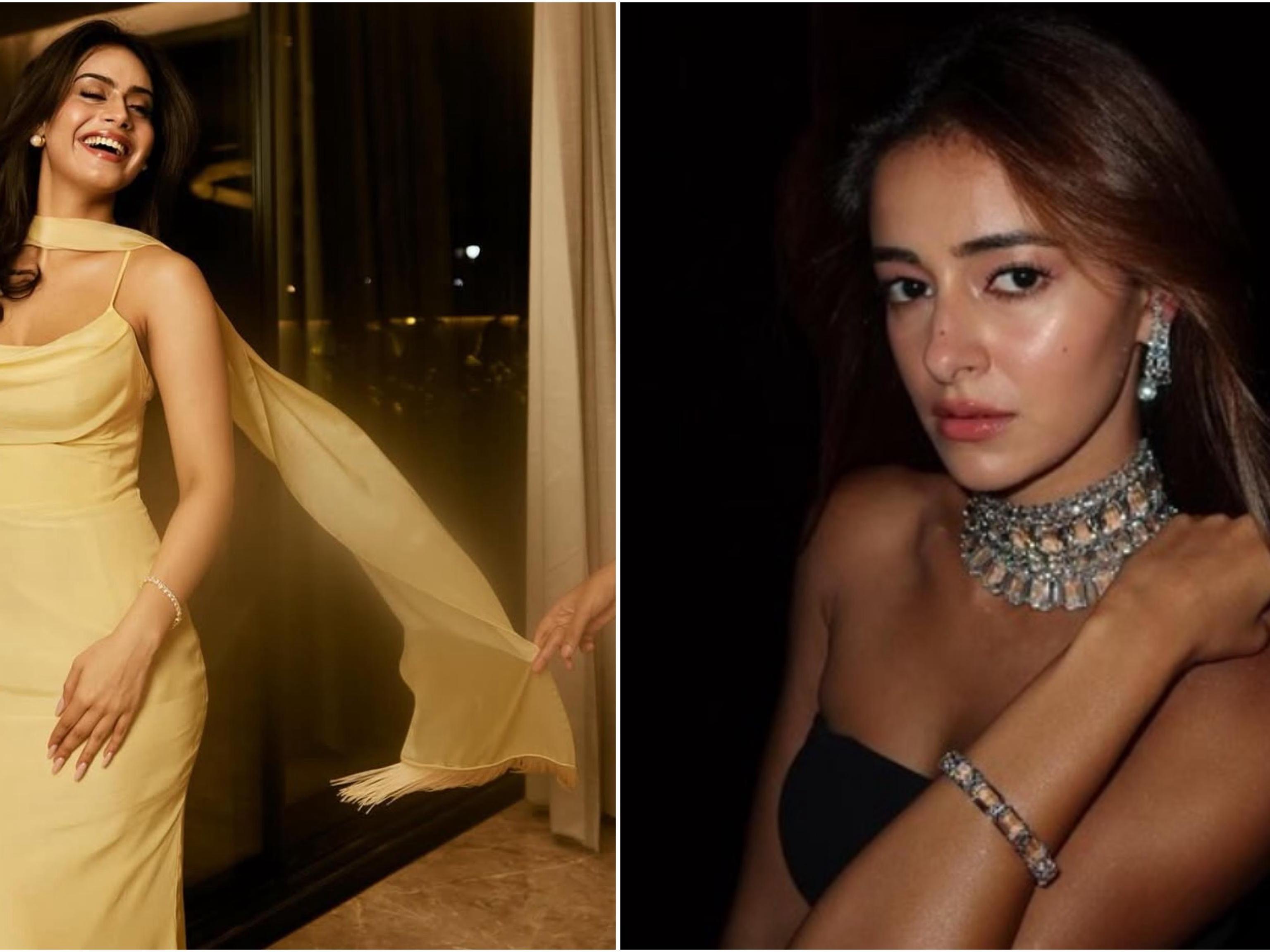
Celebrity designer Niti Bothra has highlighted five millennial fashion staples—including mesh tops, palazzos, and traditional dupattas—that are being popularized again by Gen Z. This revival focuses heavily on comfort and versatile layering, demonstrating how younger consumers successfully blend retro nostalgia with traditional ethnic elements for a fresh, modern aesthetic.
MUMBAI, India — Millennial fashion trends are officially taking over wardrobes once again, driven by a surge of interest from Gen Z consumers looking to blend vintage styles with modern aesthetics. Celebrated ethnic wear designer Niti Bothra, founder and creative director of Label Niti Bothra, recently detailed how five specific fashion staples from the early 2000s are experiencing a major revival. From versatile mesh tops to traditional items like the dupatta, younger shoppers are redefining fashion by prioritizing comfort and individual expression over rigid style guidelines.
1. The Reimagined Dupatta
Traditional garments are no longer confined to rigid formal wear guidelines. According to statements by Niti Bothra, younger demographics are actively stripping the traditional dupatta of its ceremonial exclusivity. Instead of draped over a classic salwar suit, the dupatta is increasingly styled as an everyday scarf, an asymmetric cape, or a structural layering piece over Western silhouettes. This approach allows the garment to provide texture and movement while preserving cultural heritage within contemporary everyday looks.
2. Relaxed-Fit Palazzo Pants
As global retail data indicates a macro shift away from skinny denim and toward comfort-driven apparel, palazzo pants have surged in popularity. Bothra highlighted that the wide-leg, breathable silhouette of palazzos fits perfectly into Gen Z’s preference for relaxed tailoring. Market choices show consumers regularly pairing these wide-leg trousers with structured crop tops or oversized button-down shirts, successfully executing a balanced fashion play between effortless comfort and intentional sophistication.
3. Daily Wear Metal and Glass Bangles
Accessories that were historically reserved for festive occasions, weddings, or major cultural celebrations are now transitioning into daily wear wardrobes. In a public lifestyle briefing, the designer observed that stacked metal bangles, vibrant regional chudiya, and silver cuffs are being integrated directly into casual looks. Young consumers are intentionally mixing these traditional wrist accessories with casual Western attire, including simple denim jeans and basic t-shirts, to inject unique textures into their personal style.
4. Bold, Maximalist Oversized Jewellery
The long-standing minimalist jewellery trend is losing market share to larger statement pieces. Industry style observations indicate that delicate chains and micro-studs are being replaced by thick cuffs, layered chunky necklaces, large statement rings, and heavy earrings. Bothra notes that this pivot to maximalist embellishments functions as an accessible tool for self-expression, enabling individuals to instantly transform a basic wardrobe foundation into a personalized visual statement.
5. Early-2000s Y2K Mesh Tops
A defining textile trend of the Y2K era, sheer mesh tops have fully returned to mainstream fashion circuits. Rather than mimicking the exact styling of the late 1990s and early 2000s, current trend applications utilize mesh garments for sheer texture layering. Shoppers are styling these lightweight patterned tops over solid bralettes, basic camisoles, or beneath structured dresses, making them a highly flexible option for both casual daytime activities and evening events.
Why It Matters
For global apparel brands and retail investors, this cyclical pattern highlights the growing commercial power of Gen Z buyers, who increasingly drive textile production demands. The hybrid mix of traditional Indian ethnic items with global streetwear elements signals that modern consumer segments demand multi-functional garments. Wardrobes are becoming smaller but more versatile, forcing manufacturers to design clothing that easily transitions across cultural and casual settings.
Key Facts at a Glance
Cultural Shift: Traditional accessories like the dupatta are being used as westernized capes and casual scarves.
Fit Transformation: Palazzo pants are replacing restrictive, tight silhouettes to align with current global demands for comfort.
Jewellery Trends: Micro-minimalism is declining as large, chunkier pieces become the primary choice for accessories.
Y2K Influence: Sheer mesh layers have returned as a primary textile choice for year-round styling.
Frequently Asked Questions
Q: Who is designer Niti Bothra?
A: Niti Bothra is a prominent Indian fashion designer and the creative director of Label Niti Bothra. She is well-known for creating contemporary luxury ethnic wear and has styled top public figures, including Shilpa Shetty and Athiya Shetty.
Q: How is Gen Z altering historical millennial fashion trends?
A: Rather than recreating past outfits exactly, younger shoppers rely on modern layering techniques, mixing formal pieces with comfortable streetwear to build unique looks.
Q: Are traditional Indian garments becoming casual wear?
A: Yes. Elements like traditional bangles and embroidered fabrics are regularly integrated into everyday casual fashion, moving away from being exclusively saved for weddings or formal holiday celebrations.
Q: Why are wide-leg palazzos trending over skinny jeans?
A: Modern consumers heavily prioritize physical comfort and fluid movement in their daily clothing, making relaxed wide-leg trousers more appealing than restrictive, tightly fitted denim.
Sources:
The data and trend assessments presented in this report are based on official style documentation and designer interviews released via Hindustan Times Lifestyle. Retail product distribution figures and silhouette classifications are derived from current seasonal catalogs available at Aashni & Co Luxury Retail.
"Gen Z isn't simply copying millennial fashion. Instead, they're reimagining these trends through a modern lens that values comfort, self-expression and versatility. By blending nostalgia with contemporary styling, they're proving that great fashion never goes out of style."
— Niti Bothra, Founder and Creative Director of Label Niti Bothra