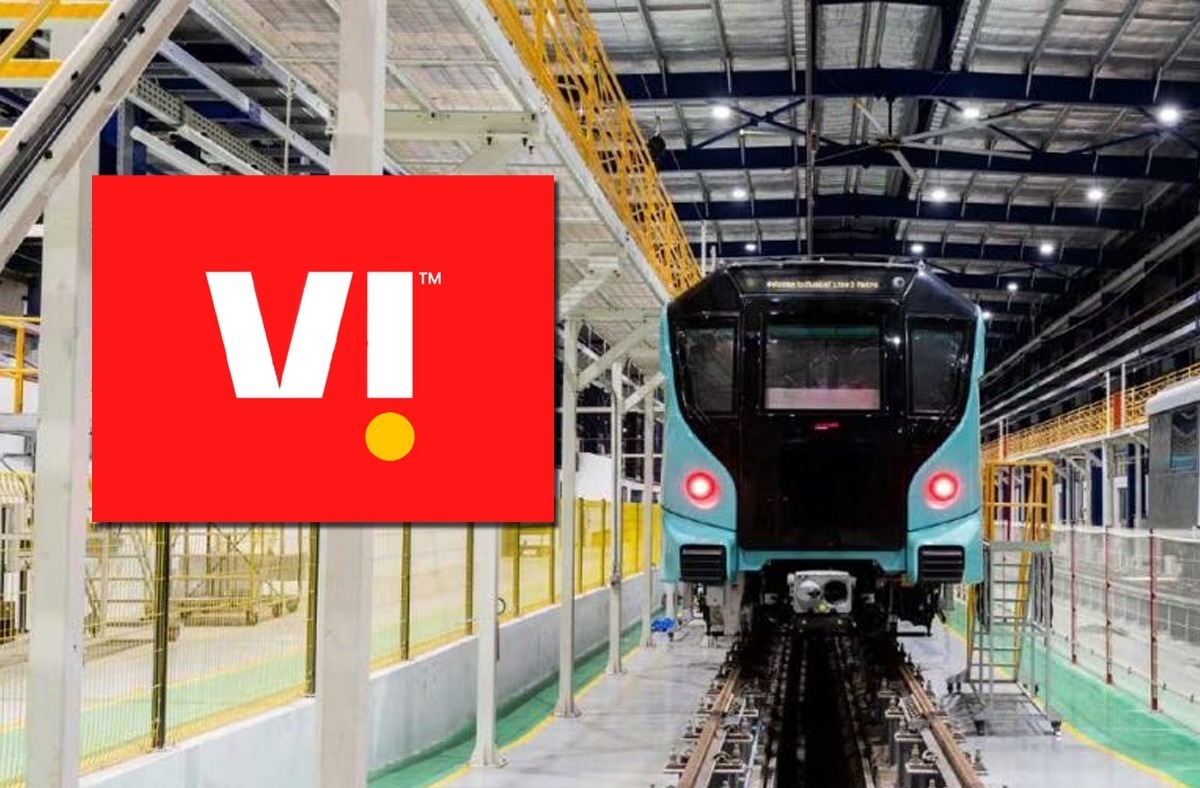
Vodafone Idea has completed its mobile network deployment across the entirety of the underground Mumbai Metro Line 3 (Aqua Line). The final phase brings voice and high-speed data services live across 11 southern stations down to Cuffe Parade, resolving a long-standing commercial infrastructure dispute through a shared network model.
MUMBAI — Vodafone Idea Limited (Vi) has formally announced the completion of its mobile network deployment across the entire Mumbai Metro Aqua Line 3 corridor. According to an executive announcement issued on June 18, 2026, the telecom provider has successfully extended active voice and high-speed data coverage to the final underground stretch of the rapid transit line. The infrastructure achievement ensures that passengers can maintain uninterrupted cellular connectivity while traveling entirely underground from north to south Mumbai.
Final Phase Coverage Reaches Southern Terminus
The final phase of Vodafone Idea’s network deployment went live across the remaining 11 underground stations situated between the Science Centre and Cuffe Parade. This critical deep-tunnel expansion builds upon the operator's initial activation phase executed earlier in the month, which covered a 16-station northern segment extending from Aarey Joint Venture Link Road (JVLR) to Acharya Atre Chowk.
According to technical specifications released by the company’s engineering division, the newly activated southern section provides full coverage within both the station premises and the transit tunnels. The completed mobile network deployment covers high-traffic transit terminals and historic commercial hubs, including:
Shared Infrastructure Model Resolves Two-Year Commercial Standoff
The comprehensive network rollout marks the official conclusion of a two-year commercial dispute between India’s leading telecom companies and the Mumbai Metro Rail Corporation Limited (MMRCL). The structural delay stemmed from a disagreement over the pricing and access rules proposed by a previously appointed third-party neutral host infrastructure provider. Private operators, including Vodafone Idea, Bharti Airtel, and Reliance Jio, had jointly flagged the initial commercial rental rates as unviable for sustained consumer service.
The operational logjam was broken following direct policy intervention by the Maharashtra state government, which mandated that transit connectivity charges must align strictly with national Right of Way (RoW) rules. In May, MMRCL issued a joint Letter of Acceptance (LoA) directly to the telecom operators.
Under the revised shared infrastructure model, the telecom operators have divided the 27 stations into distinct technical management zones to streamline optimization. Operators utilize shared in-building solutions (IBS) and optical fiber networks laid through the underground tunnels, paying a standardized commercial rental fee of approximately ₹1 lakh per month per station.
Practical Impact on Mumbai Commuters and Digital Systems
For thousands of daily passengers traveling along the 33.5-kilometer Aqua Line corridor, the finalization of the telecom layout removes a major operational hurdle. Prior to the installation of these dedicated underground signal transmitters, commuters experienced an absolute loss of network signals immediately upon descending into the subterranean line.
The continuous signal propagation enables uninterrupted voice calls and high-speed data browsing while trains move at high speeds through the tunnels. Crucially, the availability of stable mobile networks ensures that commuters can execute digital unified payments interface (UPI) transactions at station retail counters, utilize app-based ticketing kiosks, and access emergency SOS services without encountering data dropouts.
Official Sources Section
The infrastructure parameters, station lists, and operational updates detailed in this report are sourced directly from corporate press briefs distributed by Vodafone Idea Limited and the status logs published by the Mumbai Metro Rail Corporation Limited (MMRCL). Regulatory history and infrastructure agreements are cross-referenced against public filings archived on the National Stock Exchange of India (NSE).
Quote Section
In an official corporate release detailing the final network activation along the transit route, Jagbir Singh, Chief Technology Officer of Vodafone Idea Limited, stated:
"Reliable connectivity is an essential part of everyone's daily commute. We are very pleased that our service is available on Aqua Line Phase 1 of the Mumbai Metro network, Phase 2 will go live soon. Our teams have worked closely with metro authorities to deploy network equipment capable of maintaining continuous coverage throughout the corridor."
Why It Matters
The technical execution of the network deployment proves how vital digital connectivity has become to the architecture of modern public transportation. As cities build complex underground transit lines to combat road gridlock, tunnels act as physical barriers that block traditional cell tower signals. Resolving multi-operator infrastructure standoffs via government-backed Right of Way rules ensures that public utility corridors remain accessible and digitally integrated, preventing safety hazards and supporting high-speed corporate commerce.
Key Facts at a Glance
Full Route Coverage: Vodafone Idea has completed its network deployment across all underground stations and tunnels of Mumbai Metro Line 3.
Southern Segment Expansion: The final phase activated high-speed data and voice connectivity across 11 stations up to Cuffe Parade.
Dispute Resolution: The deployment follows a state-mediated agreement that aligned network infrastructure costs with official RoW norms.
Technical Framework: Telcos utilize a shared in-building solution (IBS) setup inside the tunnels, paying a flat fee of around ₹1 lakh monthly per station.
FAQ Section
Which specific sections of Mumbai Metro Line 3 now have active Vi coverage?
Vodafone Idea subscribers can access continuous mobile connectivity across the entire 33.5 km route stretching from Aarey JVLR in the north down to the Cuffe Parade terminal in South Mumbai.
Are other major telecom operators offering services inside the underground line?
Yes. Bharti Airtel has activated services across parts of the northern stretch, while Reliance Jio is currently executing final signal testing and is projected to launch services soon.
Will using my mobile phone inside the underground tunnels result in high call drops?
No. The deployment uses specialized high-capacity in-building solutions (IBS) and booster equipment inside the tunnels to ensure smooth signal handovers as trains move between stations.
Source: Official operational circulars, corporate statements, and regulatory compliance notices issued by Vodafone Idea Limited and the Mumbai Metro Rail Corporation Limited (MMRCL).