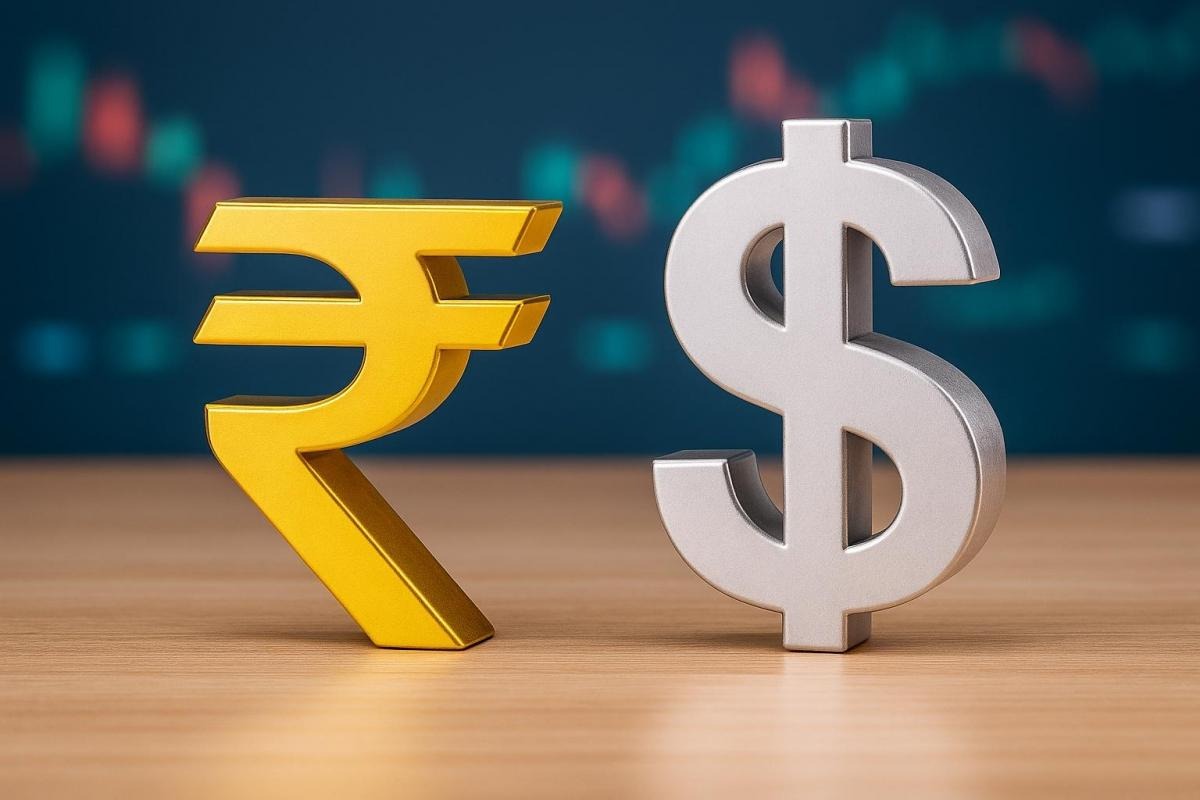
The Indian rupee opened 0.11% higher at 94.4550 per US dollar on June 17, 2026, gaining ground from its previous close of 94.56. The local unit was supported by a drop in global Brent crude prices toward $82 per barrel and a weaker dollar index, improving India's balance of payments outlook.
MUMBAI — The Indian rupee appreciated by 0.11% in early transaction windows on June 17, 2026, opening at 94.4550 against the US dollar. According to interbank foreign exchange ledger logs compiled at the market open, the domestic currency strengthened past its previous close of 94.56, stretching a multi-session recovery cycle. This upward movement represents a major stabilization phase for the local unit after facing significant structural pressures throughout the first half of the year.
The morning performance highlights growing confidence among foreign exchange traders, corporate treasuries, and institutional importers. Financial desks attribute the rupee’s positive opening bias to a broad-based de-escalation of geopolitical conflicts in West Asia, which has effectively lowered international crude oil bills and improved India's balance of payments outlook.
Easing Crude Costs Anchor Local Currency Gains
Foreign exchange analytics show that the underlying catalyst supporting the rupee is the ongoing collapse in international energy indices. Following a finalized peace agreement between the United States and Iran that re-opened the critical Strait of Hormuz chokepoint, Brent crude oil futures fell past the $82 per barrel baseline, shedding more than 6% in recent sessions.
For India, which relies heavily on imports to satisfy nearly 90% of its structural petroleum requirements, lower oil prices act as a direct macro tailwind. When energy costs fall, it limits the expansion of the country's merchandise trade deficit and eases the immediate demand for physical greenbacks by domestic oil manufacturing companies. This shift allows the rupee to recover smoothly without requiring aggressive, direct dollar-selling interventions by the central bank.
Equity Inflows and Macro Outlook Support Trading Bands
The positive momentum in the currency corridors is further reinforced by a strong opening across domestic equity benchmarks. The combination of a weaker dollar index, which slid to 99.53, and a structural return of Foreign Institutional Investors (FIIs) to local equity blocks has created a favorable capital environment for the rupee.
| Currency / Commodity Matrix | Realized Spot Level | Intra-Day Trading Target Bands |
| USD/INR Spot Exchange | 94.4550 per Dollar | 94.1000 / 94.8000 Range |
| Previous Closing Baseline | 94.5600 per Dollar | 94.9400 Technical Floor |
| Global Dollar Index (DXY) | 99.53 Benchmark Line | 99.00 / 99.80 Volatility Corridor |
| Brent Crude Oil Benchmark | $81.73 per Barrel | $80.00 / $83.50 Support Zones |
Treasury advisory groups note that the USD/INR currency pair has decisively broken beneath its overhead technical resistance at 94.80. This structural shift is encouraging corporate exporters to release their dollar holdings into the spot market, while institutional importers delay forward purchases in anticipation of further gains toward the 94.00 mark.
Official Sources Section
The real-time currency matching rates, transactional percentages, and closing values cited are processed from interbank data streams compiled via Thomson Reuters Financial Terminals. Broad currency policy definitions and sovereign reserves follow structural updates distributed by the Reserve Bank of India (RBI), while tracking data maps alongside macro indexes on the National Stock Exchange of India (NSE).
Quote Section
"According to officials and treasury advisors tracking morning settlement data, the rupee's appreciation reflects a notable unwinding of risk premiums across emerging market currencies, driven primarily by the rapid normalization of energy supply routes in West Asia."
Why It Matters
A stronger domestic rupee has direct, practical benefits for everyday consumers and corporate supply chains alike. By lowering the net cost of imported industrial components, raw materials, and electronics, a firmer currency helps curb retail inflation pressures across urban markets. Furthermore, it provides immediate financial relief to Indian students financing overseas education and families planning international travel, as the purchasing power of the local currency improves against the US dollar.
Key Facts at a Glance
Opening Advance: The Indian rupee strengthened by 0.11%, starting the session at 94.4550 against the US dollar.
Energy Catalyst: Brent crude oil prices dropped toward the $82 baseline, reducing India's energy import expenditures.
Dollar Index Drop: The global dollar index softened to 99.53, easing general conversion pressures across Asian currency desks.
Trading Parameters: Strategic advisory firms expect the currency pair to navigate a safe spot trading band of 94.10 to 94.90 over the coming sessions.
Frequently Asked Questions
What caused the Indian rupee to open stronger today?
The rupee's advance was primarily driven by falling global crude oil prices following a finalized peace deal in West Asia, alongside a general softening of the US dollar index.
How do global crude oil prices affect the value of the rupee?
Since India imports nearly 90% of its petroleum needs, cheaper oil means the country spends less foreign currency on energy imports. This limits the trade deficit and decreases the demand for US dollars, allowing the rupee to strengthen.
What is the projected near-term target for the USD/INR currency pair?
Forex analysts indicate that if the rupee sustains its position below 94.80, it could gradually move toward a stronger consolidation zone between 94.00 and 93.80 in the near term.
Source: