Global tourism boards are heavily prioritizing Indian travelers to drive international industry growth. Supported by new visa-free entry programs, expanded direct flight paths, and a projected market valuation of $410 billion by 2030, destinations across Europe, Asia, and Africa are redesigning their luxury and experiential offerings specifically for Indian consumers.
MUMBAI — National tourism organizations from over 60 countries have launched highly targeted trade campaigns and structural visa updates aimed directly at capturing the expanding Indian outbound travel market. According to tracking metrics released at the conclusion of Asia's premier travel assemblies in Mumbai, global tourism boards are actively pivoting their long-term growth strategies toward major Indian metropolitan hubs and rising secondary tier-2 markets to offset slower-than-expected tourist turnouts from other traditional East Asian source territories.
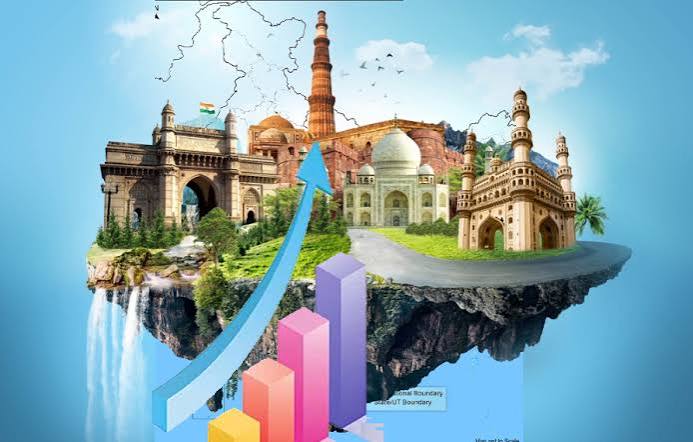
The intensive cross-border engagement comes at a vital time for the global hospitality and aviation networks. In data summaries compiled on June 27, 2026, by the European Tourism Association (ETOA) and regional industry monitors, India has consolidated its position as the world's most critical engine for outbound tourism growth. Driven by rising middle-class disposable incomes, an unprecedented expansion in direct international aviation links, and a strong consumer appetite for experiential and high-value long-haul luxury vacations, the overall value of the Indian travel market is officially projected by trade registries to scale up to $410 billion by 2030.
Strategic Shift in Target Destination Strategies
Financial data collected across regional exhibition spaces reveals that countries previously regarded as niche or strictly aspirational for Indian families are now allocating significant portions of their state marketing funds to local trade promotions.
Rather than focusing solely on conventional group sightseeing packages, over 45 national tourism organizations (NTOs) have tailored their core campaign structures to align with emerging premium travel trends among younger Indian professionals. According to briefing documents from the Tourism Authority of Thailand (TAT) and the Malaysia Tourism Promotion Board, international marketing teams are reshaping their seasonal packages around specific, high-spending consumer niches:
The Destination Wedding Matrix: Curating luxury resort takeovers across island ecosystems like Phuket, Bali, and Fiji for multi-generational Indian families.
The Wellness Travel Track: Introducing high-end medical tourism and holistic therapeutic retreats, such as Thailand's newly deployed "Healing is the New Luxury" initiative.
Niche Adventure Infrastructure: Promoting active sporting itineraries, including specialized long-distance cycling routes across Borneo organized by the Sabah Tourism Board.
Easing Visa Policies and Expanding Aviation Corridors
To convert rising consumer interest into immediate bookings, global destinations are moving quickly to lower traditional administrative barriers. Governments across Southeast Asia, Africa, and the Middle East are systematically restructuring their immigration portals for Indian passport holders.
The Tourism Authority of Thailand confirmed that its current 60-day visa-free entry program has successfully stabilized its pipeline of inbound visitors, with an official operational target of 2.55 million Indian tourists and 93 billion Thai Baht in tourism-generated revenue for the current annual cycle. Concurrently, destinations like Morocco, Cambodia, Greece, and South Africa have established dedicated, rapid-processing e-visa portals alongside expanded trade representations in India's major commercial hubs.
This diplomatic easing is occurring alongside an unprecedented expansion in direct flight connectivity. Flag carriers and low-cost operators—anchored by wide-body cabin rollouts from Air India, Air India Express, and Malaysia Airlines—have launched direct routes linking points like Delhi, Mumbai, and Bengaluru directly to secondary international hubs, bypassing the need for long layovers in the Middle East.
Emerging Strengths Beyond Major Cities
A key operational finding from recent consumer surveys is that international tourism demand is growing rapidly outside of India's traditional Tier-1 metropolitan centers. Regional travel intermediaries report that customized premium packages are selling out at record rates in fast-growing Tier-2 and Tier-3 urban economies, including Ahmedabad, Pune, Lucknow, Chandigarh, and Coimbatore.
To effectively tap into this decentralized wealth, international destination management companies (DMCs) are bypassing large centralized agencies to work directly with localized regional brokers. By leveraging AI-powered business-to-business (B2B) distribution platforms, global hotel networks and attraction operators can distribute inventory directly to neighborhood travel agents, ensuring clear pricing transparency and giving regional consumers immediate access to highly specialized international travel itineraries.
Official Sources Section
The statistical forecasts, visitor targets, and official policy shifts outlined in this journalistic report are based on public trade summaries published by the European Tourism Association (ETOA), official marketing directives distributed by the Tourism Authority of Thailand, and listing parameters recorded by the ITB India International Conference and Exhibition.
Quote Section
"Once viewed primarily as an emerging market, India has now become a central growth market for global tourism. Destinations worldwide are recalibrating their long-term strategies, investing heavily in long-term trade partnerships, product development, and tailored campaigns to match evolving consumer preferences."
— According to organizers and market analysts at Asia's leading travel trade forum.
Why It Matters
For global economic planners and consumer brands, the massive surge in outbound Indian travel marks a structural shift in global consumption dynamics. As hundreds of thousands of Indian travelers spend their capital internationally on retail, hospitality, and luxury transit, their collective purchasing power will directly influence the development of hotel projects, aircraft acquisition schedules, and localized entertainment offerings worldwide for the next decade.
Key Facts at a Glance
Market Scale: The total value of the outbound Indian travel market is officially estimated to reach $410 billion by 2030, with volume surpassing 80 million departures.
Visa Easing: Multiple nations have implemented 60-day visa-free entry models or rapid e-visa systems to streamline arrivals for Indian passport holders.
Campaign Re-engineering: Major tourism boards are shifting away from rigid group tours to focus on high-spending destination weddings, wellness retreats, and adventure tourism.
Aviation Upgrades: Air India and regional partner airlines are executing direct international route expansions to eliminate hub-skipping layovers.
Tier-2 Expansion: Over 40 percent of premium, long-haul travel bookings are originating from secondary Indian growth cities like Ahmedabad and Pune.
FAQ Section
Q: Why are global tourism boards suddenly prioritizing Indian travelers over other markets? A: Indian travelers represent one of the fastest-growing source markets in the world, backed by strong economic growth, rising disposable incomes, and an expanding middle-class appetite for high-value experiential travel.
Q: Which countries currently offer the most streamlined visa options for Indian citizens? A: Southeast Asian destinations like Thailand and Malaysia have expanded extended visa-free entry windows, while nations across the Middle East, East Africa, and Europe have deployed automated e-visa platforms to cut processing times down to a few days.
Q: How are changing travel habits affecting the types of international holidays available? A: The demand for standard, fast-paced group tours is declining. Global hospitality groups are now focusing on highly customized itineraries that feature localized culinary options, dedicated wellness services, and family-oriented destination celebrations.
Source: European Tourism Association, Tourism Authority of Thailand, ITB India Conference Registry.