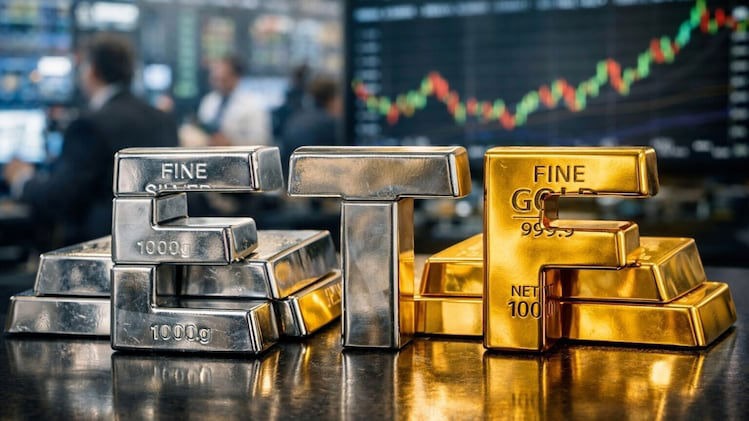
Gold and silver prices in India remained steady on June 14, 2026, following recent market volatility. The precious metal is currently influenced by a strong U.S. dollar and investor anticipation of future interest rate hikes, despite lingering geopolitical uncertainties impacting global commodity markets.
Gold prices in India held steady on Sunday, June 14, 2026, as the bullion market consolidated after a week of significant fluctuations. The price for 24-karat gold remained at ₹14,908 per gram, while 22-karat gold, the primary choice for jewelry, stayed at ₹13,665 per gram. Silver prices also maintained their position at ₹2,60,000 per kilogram in the domestic market.
This stability comes amid a challenging macroeconomic environment. While gold is traditionally a "safe-haven" asset, it has faced downward pressure in recent sessions due to a stronger U.S. dollar and growing expectations that the U.S. Federal Reserve will maintain or increase interest rates to combat persistent inflation.
Global Factors Impacting Bullion
The current sentiment in the bullion market is heavily influenced by external economic indicators. According to financial analysts, the strengthening of the U.S. dollar has made gold more expensive for holders of other currencies, dampening demand. Simultaneously, rising global energy prices—exacerbated by ongoing regional tensions in the Middle East—have fueled inflation concerns.
Market experts note that the "seesaw" between inflation and interest rates is currently tilting in favor of higher rates. When central banks signal a "higher-for-longer" interest rate policy, non-yielding assets like gold often lose their appeal compared to interest-bearing instruments such as bonds.
Domestic Market Context
In the Indian retail market, the yellow metal has experienced a period of correction. After reaching highs earlier in the year, gold prices have seen a downward trend throughout June, driven by both international cues and local demand patterns. However, retail demand has shown resilience, with analysts observing stable interest in physical gold as the wedding and festive seasons approach in various regions.
"The driver really is the shift in Federal Reserve policy expectations, the rise in yields, and the rise in the dollar," noted market strategists tracking global commodity flows. Locally, prices continue to vary across cities due to factors such as regional tax structures, transportation costs, and varying margins set by local jewelers.
Quote Section
"According to officials and bullion market analysts, the recent stability in gold prices reflects a cautious investor sentiment as market participants await concrete signals from the U.S. Federal Reserve’s upcoming policy meetings. Organizers stated that while global geopolitical uncertainty remains a factor, the immediate trend is being dictated by the inverse correlation between the strengthening dollar and the price of precious metals."
Why It Matters
For consumers and investors, the current pricing environment presents a complex landscape. The decline in gold prices from earlier record highs offers a potential entry point for retail buyers, yet the volatility suggests that global macroeconomic conditions will continue to drive price swings in the near term. Businesses and jewelers are monitoring these trends closely to manage inventory and meet shifting consumer demand as India enters its next cycle of festive buying.
Key Facts at a Glance
24K Gold Price: ₹14,908 per gram (as of June 14, 2026).
22K Gold Price: ₹13,665 per gram (standard for jewelry).
18K Gold Price: ₹11,181 per gram.
Silver Price: ₹2,60,000 per kilogram.
Key Drivers: U.S. dollar strength, Federal Reserve interest rate policy, and Middle East geopolitical tensions.
FAQ
Why are gold prices falling despite global uncertainty?
Gold prices are falling largely because of the "stronger dollar" effect. When the dollar gains value, gold—which is priced in dollars—becomes more expensive globally, reducing demand. Additionally, high interest rates make non-yielding assets like gold less attractive compared to bonds.
What is the outlook for gold prices next week?
Market attention is fixed on the upcoming U.S. Federal Reserve meeting. Analysts suggest that the price movement will depend heavily on the Fed’s signals regarding future interest rate hikes.
How does the U.S.-Iran conflict impact gold?
While gold is typically a safe-haven during war, it is currently competing with other factors like inflation and interest rates. Headlines regarding potential diplomatic deals have previously provided temporary relief to prices, but the conflict's broader impact on oil and energy costs remains a primary inflationary concern.
Source: Business Today, Goodreturns, LiveMint, Economic Times, 5paisa