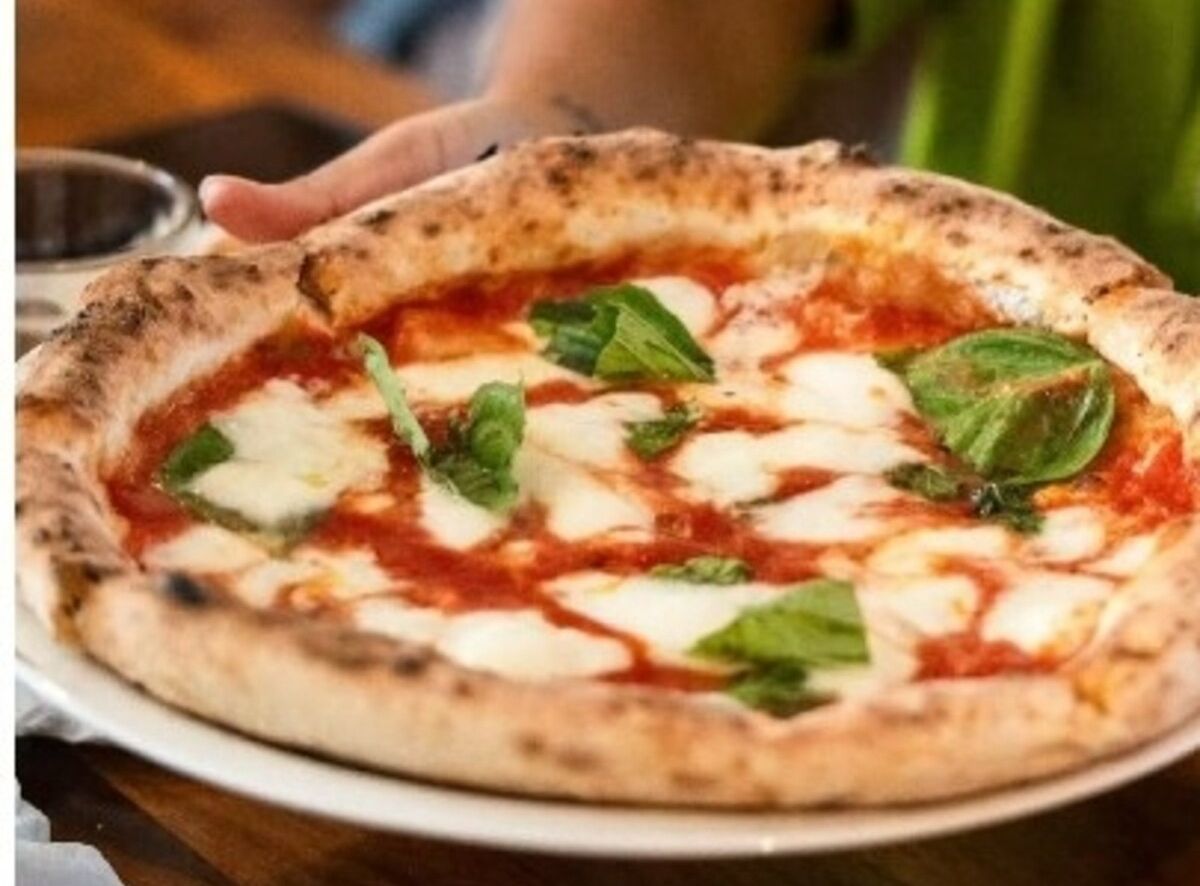
Celebred Neapolitan Chef Susanna Di Cosimo of Gurugram’s Pizzeria da Susy has sparked an intense online debate after publicly pushing back against a negative review. Rejecting demands to adapt her award-winning, globally ranked pizzas to an "Indian taste palate," the chef insisted on preserving her hometown's strict culinary traditions.
GURUGRAM — A sharp culinary confrontation at an elite Haryana dining establishment has triggered a widespread digital debate regarding the preservation of culinary heritage versus localized consumer customization. On June 1, 2026, Susanna Di Cosimo, the prominent Neapolitan head chef and co-founder of Pizzeria da Susy in Gurugram, published a direct video response addressing a highly critical, one-star customer review. The reviewer had claimed her artisanal dishes were overhyped and "not for the Indian taste palate." Di Cosimo’s firm refusal to alter traditional Italian recipes to suit regional spice expectations has gone viral, highlighting a growing tension within India’s premium food and beverage sector over what defines true epicurean authenticity.
The Clash Over Authenticity and Localized Adjustments
The dispute began when an anonymous diner posted a negative online review of the highly decorated Gurugram eatery, which recently secured the 11th rank in the prestigious Asia Pacific Top 50 Pizzas 2026 index. The customer asserted that the order lacked sufficient flavor profiles, warning other diners that the menu failed to align with localized preferences.
In her recorded rebuttal, Chef Di Cosimo questioned why a consumer seeking a localized spice profile would visit an establishment explicitly dedicated to the historic preservation of traditional, wood-fired Neapolitan pizza.
Internet Reacts with Deep Divide Over Hospitality Etiquette
The chef's public stance has drawn highly polarized responses across major digital platforms, splitting consumers between culinary purists and advocates for customer-centric service:
The Traditionalist Defense: A large segment of dining enthusiasts strongly backed the restaurant, urging the kitchen to resist commercial pressures to introduce fusion variations like chicken tikka or paneer makhani toppings.
The Critique of Tone: Conversely, several local reviewers and hospitality commentators criticized the video, arguing that the response felt dismissive. They noted that paying customers have a right to share subjective complaints regarding flavor balance without facing public pushback.
The "Blandness" Debate: The conversation sparked a broader cultural analysis regarding global seasoning standards. Some internet users noted that traditional Italian cooking emphasizes high-quality, simple components like extra virgin olive oil and San Marzano tomatoes, which can taste muted to consumers accustomed to intense, spice-heavy culinary traditions.
Structural Dynamics of the Premium Neapolitan Market
The ongoing discussion underscores a major shift within India's metropolitan restaurant economies. Over the past few years, major hubs like Delhi-NCR, Mumbai, and Bengaluru have seen a massive rise in specialized pizzerias that import high-elasticity Italian flour, specialized cheeses, and custom volcanic-stone ovens to replicate European methods.
According to restaurant data, maintaining these exact standards requires major financial investments, meaning these businesses rely heavily on a well-traveled, curious demographic that values original preparation methods over commercial, mass-market adaptations.
Official Sources Section
The corporate positions, global rankings, and statements reviewed in this report are sourced directly from the public corporate disclosures of Pizzeria da Susy India and the verified digital broadcast catalogs published by the Top 50 Pizza International Governance Registry.
"Of course, I am from Italy, from Naples specifically. Why would I make an Indian taste palette?" Chef Susanna Di Cosimo stated in her official video disclosure. "I'm not from India. And why would you come here for an Indian taste palette pizza? Eventually, it is not even true because 95% of my patrons are Indians who appreciate this quality."
Why It Matters
This public debate has direct implications for international culinary brands, investors, and consumers navigating India's rapidly growing luxury hospitality market. It challenges the conventional service-industry belief that "the customer is always right," showing instead that premier chefs are increasingly willing to risk negative reviews to protect their culinary traditions. As urban Indian consumers become more globally traveled, the market is splitting into two distinct sectors: mass-market chains that heavily adapt their menus to local tastes, and high-end boutique eateries that treat authenticity as an uncompromising, non-negotiable standard.
Key Facts at a Glance
Accoladed Venue: Pizzeria da Susy operates as an elite culinary brand in Gurugram, holding prominent positions on both regional and global top-pizza registries.
The Core Critique: A one-star review accused the establishment of being overhyped, claiming the authentic Italian preparations lacked flavor and failed to suit local preferences.
The Chef's Rebuttal: Chef Susanna Di Cosimo publicly rejected the criticism, pointing out that 95% of her regular clientele are Indians who visit specifically for genuine Neapolitan recipes.
Public Reaction Split: Digital commentary remains deeply divided between purists who support maintaining traditional recipes and critics who feel the restaurant's public pushback was unnecessarily sharp.
Frequently Asked Questions (FAQ)
What exactly defines an authentic Neapolitan pizza compared to fast-food variations?
According to traditional baking rules, a genuine Neapolitan pizza requires specific high-protein Italian wheat flour, hands-only shaping without a rolling pin, simple toppings like fresh mozzarella and tomatoes, and a rapid bake time of 60 to 90 seconds inside a super-heated wood-fired oven. This produces a soft, blistered, and airy crust rather than a crisp, heavily seasoned base.
Where is Pizzeria da Susy located, and what are its official international rankings?
The restaurant operates commercial locations at Crosspoint Mall (Sector 28) and M3M IFC (Sector 66) in Gurugram. It achieved international recognition by ranking 35th in the 2025 World Top 50 Pizzas and 11th in the Asia Pacific Top 50 Pizzas 2026 index.
Why do authentic European dishes sometimes taste under-seasoned to regional diners?
Traditional Italian culinary philosophy focuses on highlighting the natural, clean flavors of a few premium ingredients rather than layering heavy spices or pungent sauces. For palates accustomed to highly aromatic, spicy, or tangy profiles, this minimalist approach can initially seem simple or mild.
Source: Pizzeria da Susy Official Menu Disclosures, Top 50 Pizza Asia-Pacific Ranking Archives, Hindustan Times Lifestyle Coverage.