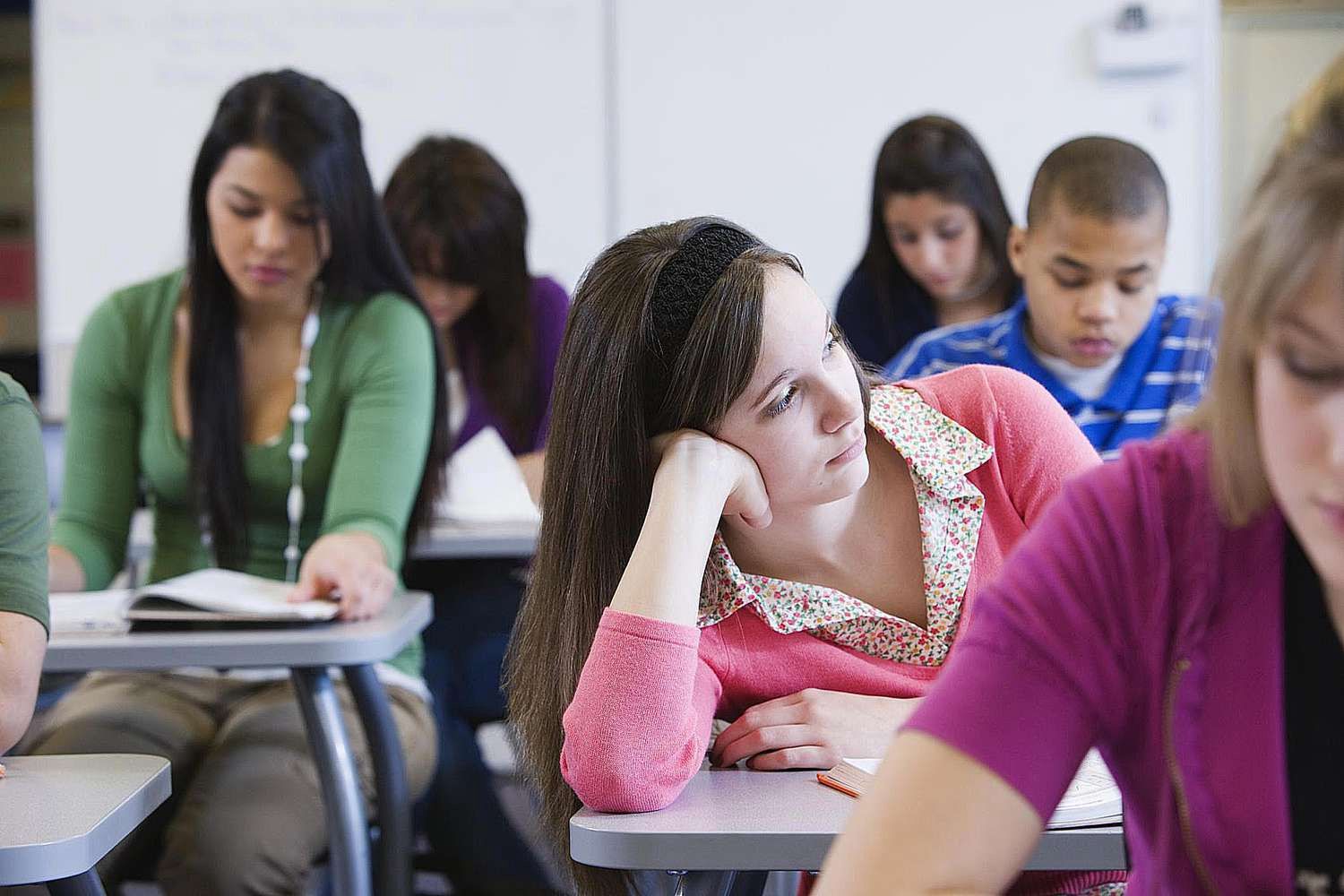
A global drop in classroom engagement shows that students are losing interest in learning due to high smartphone screen time and algorithmic short-form videos. To combat chronic absenteeism and short attention spans, educators are calling for strict phone policies and interactive, modern teaching methods.
NEW DELHI — Academic institutions worldwide are confronting a critical drop in engagement as data reveals a sharp trend of students losing interest in learning. Published on June 4, 2026, a series of comprehensive institutional studies from international education boards and psychological associations show that chronic absenteeism, empty classrooms, and cognitive fatigue have reached historic highs. Educational experts state that the widespread consumption of algorithmic short-form videos, such as Instagram Reels and TikTok, has systematically altered the attention spans of younger demographics. Consequently, traditional lecture-based instructional models are struggling to compete with the high-dopamine stimulus of digital screens, triggering a fundamental re-evaluation of public school curricula and campus attendance policies.
Measuring the Impact of Digital Screens on Student Attention Spans
According to psychological data compiled by global research networks, the structural design of modern social media platforms plays a primary role in why students are losing interest in learning. The constant scrolling through brief videos creates an algorithmic feedback loop that decreases a developing mind's tolerance for delayed rewards.
Key Factors Causing the Decline in Classroom Engagement
Academic panels have identified several clear systemic pressures that explain why modern students are losing interest in learning:
Algorithmic Dopamine Desensitization: Continuous exposure to short-form media trains the brain to expect instant stimulation. When confronted with standard textbooks or historical lectures, students struggle to maintain focus, as these traditional formats lack the rapid pacing of online content.
The Normalization of Chronic Absenteeism: Data tracking post-pandemic education metrics indicates that both parents and pupils place less value on physical classroom attendance. The widespread availability of online makeup assignments has inadvertently made daily in-person lectures feel optional.
Escalating Mental Exhaustion and Sleep Deprivation: Academic logs show that late-night smartphone use disrupts natural circadian rhythms. Students frequently arrive at morning lectures severely sleep-deprived, which reduces their ability to process abstract concepts and lowers their overall motivation.
Disconnect Between Curricula and the Modern Job Market: High school and university students increasingly report that rigid, memory-based standardized testing protocols feel disconnected from the skills needed in a digital economy, causing further disengagement.
Impact on Academic Standards and Future Economic Productivity
The ongoing drop in classroom engagement carries long-term consequences for public literacy, corporate workforce readiness, and economic productivity. School systems are forced to lower baseline grading thresholds to prevent widespread failures, a trend that experts warn could dilute the value of academic degrees.
For businesses and tech sector investors, this shift presents a clear operational challenge. Corporate human resource managers report that recent graduates frequently struggle with tasks requiring deep analytical focus, long-form writing, or sustained problem-solving. This gap is forcing companies to spend more on remedial entry-level corporate training programs.
Official Sources Section
The underlying data regarding behavioral shifts, screen-time habits, and global literacy drops is sourced directly from institutional research published by the United Nations Educational, Scientific and Cultural Organization (UNESCO) alongside domestic metrics tracked by the Ministry of Education.
Reflecting on these findings, educational policy analysts stated:
"We are witnessing a structural shift in how young minds process information. The argument is no longer about simple student discipline; it is an underlying biological mismatch between fast-paced digital media and traditional teaching methods. If educational systems do not reshape their instructional delivery to favor interactive, problem-based learning, empty classrooms and declining engagement will become permanent features of the global academic landscape."
Why It Matters
Reversing the trend of students losing interest in learning is essential to protecting the long-term potential of the global workforce. When public education systems fail to engage students, the long-term cost falls on society through lower innovation rates, falling productivity, and widening social inequality. For parents, educators, and policy makers, understanding that digital desensitization drives classroom boredom allows for more targeted interventions. Addressing these roots through smartphone restrictions and updated curricula helps ensure that schools can still teach the critical thinking skills needed to solve complex real-world problems.
Key Facts at a Glance
Attendance Challenges: Chronic absenteeism rates have risen by over 25% globally compared to pre-2020 benchmarks, leading to emptier classrooms.
Attention Adjustments: Regular exposure to algorithmic video streams is directly linked to a drop in students' capacity for sustained analytical focus.
Curriculum Mismatch: Standardized, lecture-heavy teaching models struggle to engage students who are accustomed to interactive, fast-paced digital platforms.
Workforce Readiness Risks: Corporate recruiters report a growing shortage of entry-level candidates who possess strong long-form writing and long-term problem-solving skills.
FAQ Section
How exactly do short-form videos cause students to lose interest in learning?
Short-form platforms use variable reward algorithms that deliver instant amusement every few seconds. This high-frequency stimulation desensitizes the brain's reward pathways, making slow, structured tasks like reading textbooks or listening to lectures feel unengaging.
What steps are schools taking to improve classroom engagement?
Many districts are implementing strict campus phone bans during instructional hours. At the same time, forward-looking institutions are updating their methods to include gamified lessons, project-based assignments, and interactive group work to better capture student attention.
Is the drop in learning engagement limited to high school students?
No. Institutional data from organizations like UNESCO shows that this decline spans from primary education up through major universities, affecting students across diverse socio-economic backgrounds worldwide.
How can parents help reverse these attention-span challenges at home?
Child development experts recommend setting firm boundaries on evening screen time, encouraging long-form reading habits, and ensuring a tech-free bedroom environment to improve sleep quality and morning alertness.
Source: Global student tracking data from UNESCO, national enrollment archives via the Ministry of Education, and adolescent behavioral research briefs from the American Psychological Association.