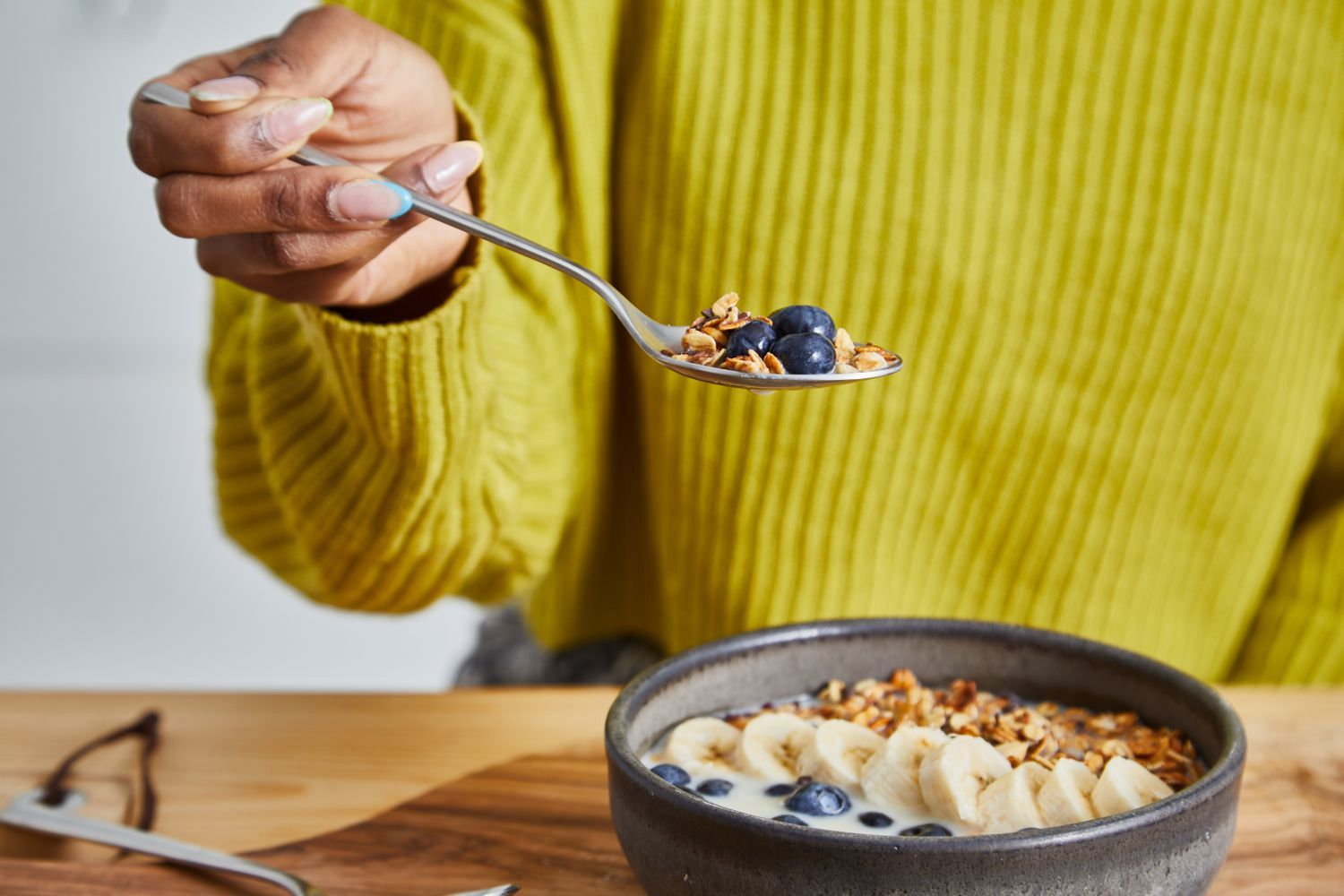
Improving cardiovascular health starts with a cholesterol-conscious breakfast. By incorporating fiber-rich whole grains like oats, healthy fats from nuts and avocados, and lean plant-based proteins, individuals can actively lower LDL cholesterol levels. These six simple, heart-healthy meal ideas provide a foundation for managing long-term heart wellness through daily nutrition.
NEW YORK — As cardiovascular health moves to the forefront of modern wellness, nutritionists are emphasizing that the first meal of the day is a critical opportunity to manage cholesterol levels. By shifting focus from processed, sugar-laden options to nutrient-dense, plant-forward ingredients, individuals can actively support their heart health and improve long-term outcomes.
The latest 2026 dietary guidance from the American Heart Association (AHA) underscores that a "heart-healthy" eating pattern is built on a foundation of vegetables, fruits, whole grains, and healthy protein sources. For many, breakfast is the ideal time to integrate these components, especially soluble fiber, which plays a pivotal role in reducing the absorption of "bad" LDL cholesterol.
The Science of a Heart-Healthy Start
Dietary interventions are widely recognized as a primary tool for cholesterol management. Nutrition experts consistently point to the role of beta-glucan—a type of soluble fiber found in high concentrations in oats and barley—as an effective agent for lowering LDL cholesterol. By incorporating these staples, along with nuts, seeds, and lean proteins, breakfast can transition from a source of saturated fats to a mechanism for metabolic protection.
Six Breakfast Ideas for Heart Health
Integrating heart-healthy choices doesn't require sacrificing flavor. Here are six breakfast options aligned with current cardiovascular wellness standards:
Overnight Beta-Glucan Oats: Soak rolled oats in a milk alternative or low-fat yogurt with chia seeds. The fiber-rich profile helps lower cholesterol absorption throughout the morning.
Veggie-Packed Besan Chilla: A protein-rich savory pancake made from gram flour, fortified with grated carrots, spinach, and onions. Using minimal oil and pairing with mint chutney instead of butter reduces saturated fat intake.
Greek Yogurt Parfait with Berries: Plain, non-fat Greek yogurt provides high protein and probiotics. Top with fresh berries for antioxidants and a small portion of walnuts for omega-3 fatty acids.
Whole-Grain Avocado Toast: Use 100% whole-grain or multigrain bread as a base for mashed avocado. This provides monounsaturated fats that can help improve "good" HDL cholesterol levels.
Sprouted Moong Salad: A metabolism-friendly option featuring sprouted mung beans mixed with cucumber, tomato, and lemon juice. This plant-based protein source is naturally low in cholesterol and high in micronutrients.
Berry-Oat Smoothie: Blend oats, fresh or frozen berries, chia seeds, and fortified soy milk. This drinkable meal offers a convenient dose of fiber and anti-inflammatory nutrients.
Official Guidelines for Cardiovascular Wellness
According to the AHA and other leading health organizations, a heart-healthy diet is characterized by the following principles:
Prioritize Whole Grains: Choose oats, millets, and whole-wheat products over refined white flours.
Limit Saturated Fats: Replace butter, cream, and high-fat meats with plant-based sources like olive oil, avocados, nuts, and seeds.
Increase Fiber: Aim for foods high in soluble fiber to help remove excess cholesterol from the body.
Control Sodium: Flavor dishes with herbs and spices rather than relying on salt or processed seasonings.
Why It Matters
For the average consumer, making simple swaps—such as replacing butter with avocado or sugary cereal with whole-grain oats—can lead to measurable improvements in lipid profiles over time. As chronic health conditions like hypertension and hyperlipidemia become more prevalent, adopting a preventative dietary pattern in the morning is a practical strategy to reduce the lifelong risk of heart disease and stroke.
Key Facts at a Glance
Fiber is Key: Soluble fiber (beta-glucan) directly helps reduce LDL cholesterol.
Plant-Forward: A heart-healthy diet relies heavily on fruits, vegetables, legumes, and nuts.
Fat Quality Matters: Swap saturated fats (butter/ghee) for unsaturated fats (olive/canola oil, nuts).
Consistency: The effectiveness of these foods is tied to regular, long-term consumption rather than sporadic dietary choices.
FAQ
Do eggs raise cholesterol levels?
While eggs contain cholesterol, current research indicates that for most people, the dietary cholesterol in eggs has a minimal impact on blood cholesterol compared to saturated and trans fats. Moderation is key for those with specific health conditions.
What is the best type of oats for heart health?
Rolled oats or steel-cut oats are preferred. Highly processed or flavored "quick oats" often contain added sugars and salt, which can counteract heart-health benefits.
Why are nuts and seeds included in these breakfasts?
They provide heart-healthy unsaturated fats and fiber, which are essential for increasing "good" HDL cholesterol and maintaining healthy lipid levels.
Source: American Heart Association (2026 Guidance), Heart and Stroke Foundation of Canada, Heart Foundation NZ