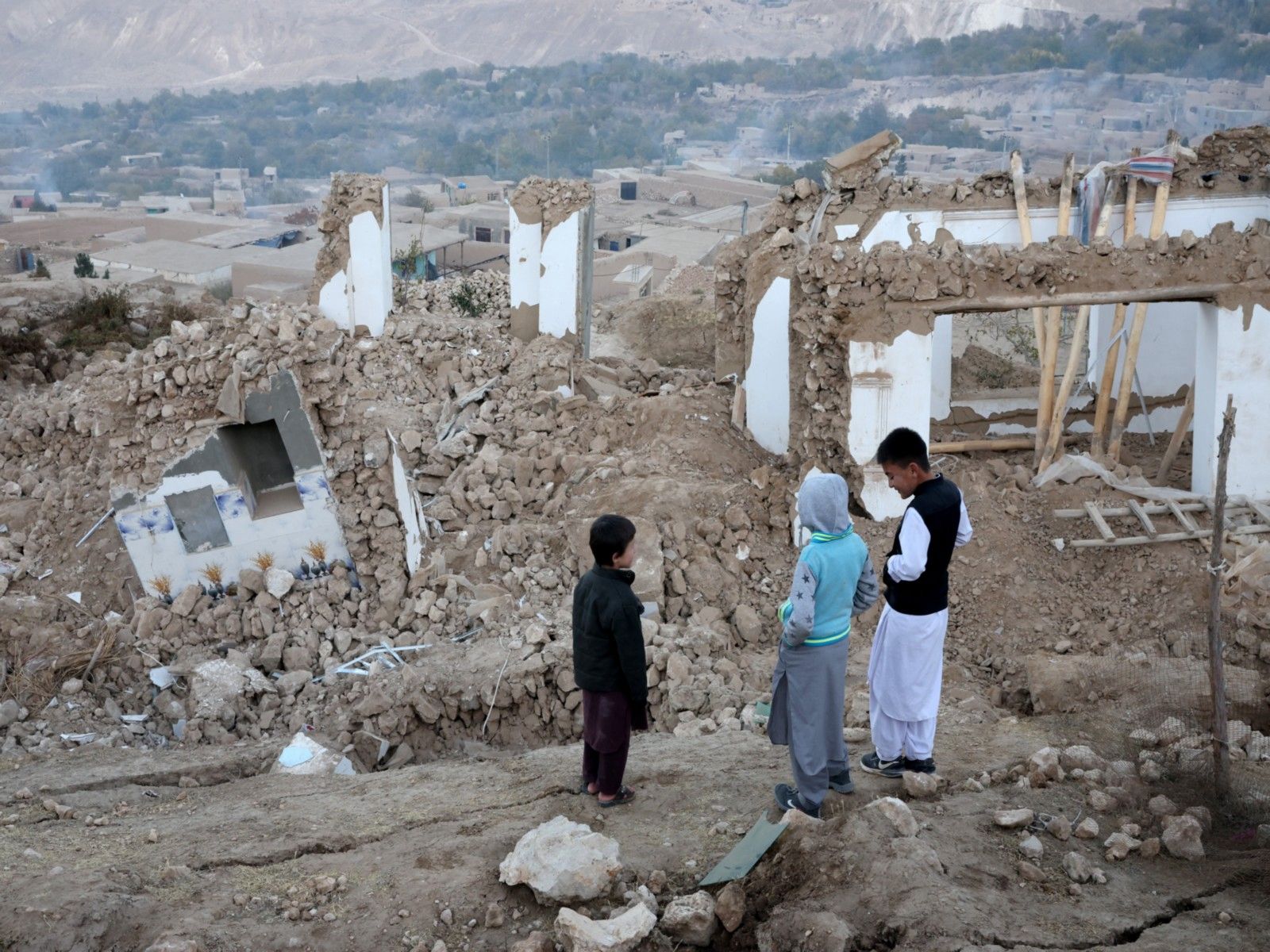
A 6.1-magnitude earthquake struck northeastern Afghanistan’s Hindu Kush region on June 27, 2026. The deep-focus quake sent tremors across Afghanistan, Pakistan, and India. While widespread panic was reported, the depth of the event—over 208 kilometers—limited immediate damage, and no major casualties were confirmed by officials by Saturday evening.
KABUL — A strong earthquake measuring 6.1 on the Richter scale struck northeastern Afghanistan on Saturday, June 27, 2026, jolting the Hindu Kush mountain range and sending tremors as far as Pakistan and parts of Northern India. The seismic event, which occurred at approximately 18:34 local time, caused buildings to rattle in Kabul and triggered panic in cities across the region.
According to the United States Geological Survey (USGS), the epicenter of the earthquake was located 43 kilometers south of Jurm in northeastern Afghanistan, at a significant depth of 208.3 kilometers. Due to the depth of the rupture, the impact on the surface was widespread, with reports of tremors reaching the Pakistani capital of Islamabad, the Swat district in Khyber Pakhtunkhwa, and even as far as Delhi-NCR in India.
Widespread Tremors and Public Alarm
Residents in the affected areas reported sustained shaking that lasted for several minutes. In the Swat district of Pakistan, witnesses described people rushing out of their homes in panic. “It was very huge here in Swat, and it lasted for quite a long time,” said local resident Daniyal Ahmad. Similar scenes of evacuation were reported in the Afghan capital, where journalists noted visible damage, including large cracks appearing in internal walls of buildings.
Seismic agencies, including the National Center for Seismology and the European-Mediterranean Seismological Centre (EMSC), confirmed the event. While the magnitude was significant, the deep focus of the earthquake—nearly 208 kilometers below the surface—is believed to have mitigated the severity of the structural damage on the ground.
Regional Seismic Vulnerability
Afghanistan remains highly susceptible to seismic activity due to its location near the convergence of the Eurasian and Indian tectonic plates. The Hindu Kush region, in particular, is a frequent source of tremors. This latest event follows a series of seismic developments in the broader region over the past 24 hours, including a cluster of smaller tremors recorded in Pakistan’s Balochistan province.
Local authorities and disaster management agencies, including the Afghanistan National Disaster Management Authority, have initiated assessments to check for casualties and structural integrity in rural and mountainous provinces like Badakhshan and Balkh. As of Saturday evening, no immediate official reports of fatalities or widespread destruction had been confirmed.
Why It Matters
This earthquake serves as a stark reminder of the seismic volatility inherent to the Hindu Kush region. For the populations in these areas, infrastructure resilience remains a primary concern. The deep-focus nature of this quake prevented a potential humanitarian catastrophe, but it underscores the ongoing risks for residents living in traditional housing, which is often vulnerable to seismic shocks.
Key Facts at a Glance
Magnitude: 6.1 on the Richter scale.
Epicenter: Northeastern Afghanistan (43 km south of Jurm).
Depth: 208.3 kilometers, significantly reducing the intensity of surface impact.
Reach: Tremors were reported in Afghanistan, Pakistan, and parts of North India.
Casualties: No immediate reports of fatalities or major structural collapse as of Saturday evening.
FAQ
Is the situation under control?
Authorities are currently conducting impact assessments. While no major casualties have been reported, the remote nature of the region can delay official damage reports.
Why were the tremors felt so far away?
The earthquake was a deep-focus event, which allows seismic waves to travel greater distances through the Earth's crust, resulting in light to moderate shaking being felt hundreds of kilometers from the epicenter.
Are further aftershocks expected?
While aftershocks are common following an event of this magnitude, the risk and intensity of these follow-up tremors depend on the specific tectonic fault lines involved. Residents are advised to monitor official government alerts.
Source: United States Geological Survey (USGS), National Center for Seismology, European-Mediterranean Seismological Centre (EMSC)