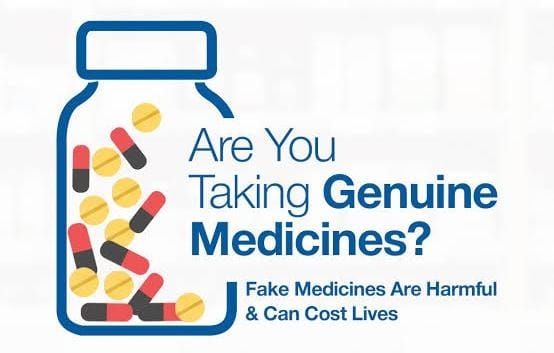
With WHO reporting 1 in 10 medical products in developing nations as substandard or falsified, health experts have issued guidelines on how to know if your medicine is genuine. Patients must evaluate sourcing, verify batch traceability, check temperature storage conditions, inspect physical packaging integrity, and confirm prescription details before consumption.
NEW DELHI — Healthcare experts and medical professionals issued essential consumer safety advice on Tuesday, August 18, 2026, outlining practical steps to help patients determine how to know if your medicine is genuine before making a purchase.
According to data cited from the World Health Organization (WHO), an estimated one in ten medical products in low- and middle-income countries is either substandard or falsified. Medical experts emphasize that while consumers routinely research electronics, jewelry, and everyday purchases, they often overlook verification when buying health products. Learning how to know if your medicine is genuine is critical to preventing adverse side effects, therapeutic failure, and worsening health conditions caused by illicit or counterfeit pharmaceuticals.
6 Key Questions Every Patient Must Ask
To help consumers navigate pharmaceutical purchases safely across physical and digital pharmacies, medical experts recommend asking six essential questions regarding product sourcing, storage, and traceability:
1. Where Has This Medicine Come From? Pharmaceuticals should strictly be sourced through licensed manufacturers, authorized distributors, or verified supply partners. A transparent supply chain establishes clear accountability and ensures product authenticity throughout its journey. Purchasing from trusted pharmacies significantly lowers the risk of receiving a counterfeit or substandard product.
2. Can the Medicine Be Traced? Every genuine medicine packaging strip carries vital regulatory details, including the manufacturer's name, batch number, manufacturing date, and expiry date. The batch number is particularly critical as it allows regulators, distributors, and manufacturers to trace the product back to its production run if quality issues or safety recalls arise.
3. Has It Been Stored Properly? Proper storage conditions are essential for maintaining drug efficacy. Exposure to excessive heat, humidity, or direct sunlight can degrade active ingredients. Temperature-sensitive products like vaccines and insulin require cold-chain maintenance between 2°C and 8°C, while standard tablets need cool, dry environments.
4. Has the Medicine Gone Through Quality Checks? Responsible healthcare providers and licensed pharmacies systematically inspect product packaging, verify expiry dates, validate inventory, and audit batch numbers before fulfillment to prevent distribution errors.
5. What Should I Check When the Medicine Arrives? Prior to administration, patients must confirm that the drug name, dosage form, strength, and quantity match the doctor's prescription. Packaging should be inspected thoroughly for any signs of tampering, damaged seals, or broken foil strips.
6. Are Physical Characteristics and Pricing Normal? Sudden changes in tablet color, crumbling texture, unexpected spots, or unusual odors signal potential degradation. Furthermore, extreme price discounts compared to standard market rates should prompt immediate skepticism regarding authenticity.
Regulatory Surveillance and Countermeasures
Drug enforcement bodies, including the Central Drugs Standard Control Organisation (CDSCO), enforce strict regulatory protocols under the Drugs and Cosmetics Act to protect supply chain integrity.
Central and state drug regulators routinely perform market sampling, issuing national drug safety alerts for batches categorized as "Not of Standard Quality" (NSQ) or "Spurious". Health authorities also mandate track-and-trace 2D QR codes on secondary packaging for high-volume medicine formulations to facilitate real-time authentication by retailers and consumers.
Official Sources Section
Consumer safety advisories, regulatory compliance rules, and global pharmaceutical quality standards are provided by the Central Drugs Standard Control Organisation (CDSCO), the Ministry of Health and Family Welfare, and the World Health Organization.
Quote Section
According to official medical and public health guidance issued by healthcare professionals:
"According to the World Health Organization, an estimated one in ten medical products in low- and middle-income countries is substandard or falsified. Authenticity depends less on spotting a fake by sight, and more on understanding the journey a medicine takes before it reaches a patient."
Why It Matters
Understanding how to know if your medicine is genuine enables patients to safeguard their health, prevent financial loss on ineffective treatments, and avoid severe medical complications. Consumer vigilance at retail counters and online pharmacy platforms acts as a frontline defense against counterfeit pharmaceutical distribution networks.
Key Facts at a Glance
WHO Global Benchmark: 1 in 10 medical products in developing nations is substandard or falsified.
Primary Verification: Sourcing, batch traceability, proper storage, quality checks, prescription match, and physical appearance.
Batch Traceability: Unique batch codes allow full tracking during quality recalls.
Storage Requirement: Improper storage in heat or moisture damages genuine drugs even before expiry.
Frequently Asked Questions
How to know if your medicine is genuine when buying online?
Purchase only from certified e-pharmacies linked to licensed retail vendors. Verify that the online platform provides a batch number, expiry date, manufacturer details, and a formal GST tax bill upon delivery.
What is the purpose of the batch number on a medicine strip?
The batch number links the specific package to its manufacturing lot, allowing regulators and manufacturers to trace quality, verify production dates, and initiate targeted recalls if defects are detected.
Can a genuine medicine become harmful if stored incorrectly?
Yes. Exposure to heat, moisture, or direct sunlight can breakdown active pharmaceutical ingredients, reducing efficacy or causing chemical degradation regardless of the printed expiry date.
What should I do if my medicine looks or smells different?
Do not consume the medication. Contact the dispensing pharmacy immediately to check if the manufacturer changed excipients or packaging, or consult your prescribing physician.
Source: Central Drugs Standard Control Organisation | Ministry of Health and Family Welfare | World Health Organization