India has officially welcomed the recent progress in high-level peace talks aimed at resolving the war in Ukraine, following the summit between US President Donald Trump and Russian President Vladimir Putin in Alaska. The Indian government has lauded the efforts, highlighting the importance of di...
India has officially welcomed the recent progress in high-level peace talks aimed at resolving the war in Ukraine, following the summit between US President Donald Trump and Russian President Vladimir Putin in Alaska. The Indian government has lauded the efforts, highlighting the importance of dialogue and diplomacy—especially as global uncertainties ripple through trade and foreign relations. Saturday’s diplomatic announcement from India comes at a critical juncture, as escalating trade tensions with the US threaten to impact Indian exports just days before new tariffs take effect.
Key Highlights
India praised the leadership of the US and Russian Presidents in pursuing a peaceful solution to the conflict.
The Ministry of External Affairs (MEA) issued a statement underscoring the value of dialogue and diplomacy in ending the ongoing Ukraine war.
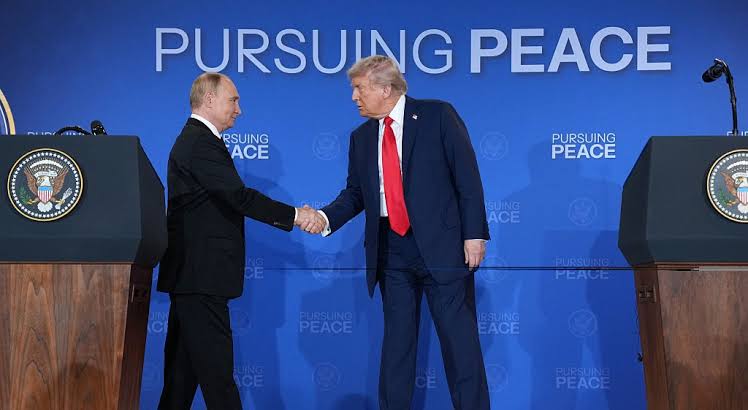
The Alaska summit, which lasted three hours, involved senior officials from both the US and Russia but stopped short of announcing a ceasefire deal.
US President Trump, while optimistic, stated that a final peace agreement would require Ukraine’s consent.
India’s Diplomatic Response
India’s stance, as reiterated in the MEA's statement, closely aligns with its longstanding advocacy for peaceful dialogue on international disputes:
India “appreciates the progress made in the Summit.”
It re-emphasizes that only dialogue and diplomacy can bring lasting peace.
The world community, and India in particular, wishes for a swift and peaceful end to the Ukraine conflict.
Prime Minister Narendra Modi has previously called this "not an era of war," echoing India’s consistent approach to global crises.
Current State of Peace Negotiations
The Trump-Putin talks were held at the Arctic Warrior Convention Centre in Alaska, attended by top US and Russian officials.
The summit is considered significant as it marks the first direct negotiation since the war began in 2022.
Both sides agreed to pursue the prospect of a comprehensive peace agreement, pending Ukraine’s approval.
President Trump is expected to host Ukraine’s President Volodymyr Zelensky soon in Washington, opening the door for three-way talks.
Implications for India
Ongoing trade tensions with the US have complicated India’s position:
New US tariffs on Indian goods, imposed as a penalty for continued Russian oil imports, are set to rise to 50% after August 27.
The US deferred its scheduled trade negotiations with India; the sixth round of talks, planned for August 25–29, was canceled amidst growing pressure over India’s Russian ties.
Indian authorities are hopeful that progress in the peace talks might ease diplomatic and economic pressure from Washington.
India maintains it is unfairly singled out for its Russian energy imports, while US and EU purchases from Russia persist.
Building Blocks for Peace
Diplomats and observers see the Alaska summit as laying groundwork for next steps:
Although no immediate ceasefire was announced, negotiators stressed substantial progress toward ending the war.
India affirmed its willingness to support further dialogue, leveraging its positive relations with both Russia and the US for the broader good.
Looking Forward
With Washington and Moscow signaling openness to more talks—and Ukraine poised to engage directly—India remains cautiously optimistic. The government is closely watching upcoming negotiations, hoping that a peaceful resolution will bring relief from the trade squeeze and restore stability to global markets.
Today’s announcement, grounded in India's diplomatic faith in dialogue, sends a message of hope—not just for Ukraine, but for the wider world grappling with the fallout of war and economic uncertainty.
Source: Times of India, The Daily Star, Indian Express, IANS, India Today, Hindustan Times, The New Indian Express, The Hans India, Daily Excelsior.