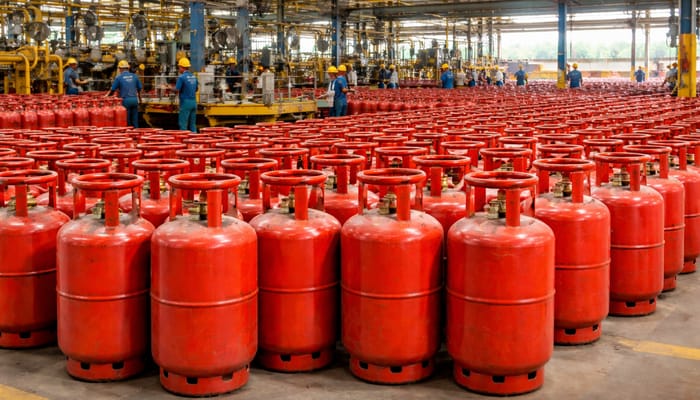
An Indian government official confirmed that domestic refiners are now daily producing 53,000 tonnes of LPG, representing a 60 percent increase over pre-Iran crisis levels. This strategic scale-up secures the country's energy independence, ensuring stable cooking fuel distribution and shielding retail consumers from global shipping disruptions.
NEW DELHI, INDIA — Indian oil refiners have significantly accelerated their domestic processing operations, reaching a milestone daily manufacturing output of 53,000 tonnes of Liquefied Petroleum Gas (LPG). Government shipping and energy officials confirmed on Monday, June 8, 2026, that this new baseline represents a substantial 60 percent expansion over pre-Iran crisis production volumes. This massive production surge highlights a successful state-directed effort to insulate the domestic consumer economy from highly volatile global shipping disruptions and energy distribution blockages currently impacting the Middle East.
Strategic Shift to Domestic Refineries Shields Energy Security
The rapid scale-up of localized fuel processing units directly addresses structural risks that threatened the country's multi-tiered retail energy networks. Historically dependent on direct-from-origin imports to satisfy its expanding consumer base, India faced significant logistical bottlenecks when geopolitical tensions flared in maritime trade channels.
According to updates from federal energy planning divisions, the country's state-run and private energy giants modified their refinery assembly rules to prioritize fuel optimization. By running heavy crude streams through localized cracking units, domestic refiners successfully expanded their daily output to 53,000 tonnes of LPG. This proactive operational pivot effectively limits reliance on cross-border supply lines, protecting millions of citizens from unexpected cooking fuel shortages or price spikes.
Stabilizing National Inventories Against Global Trade Shockwaves
The ongoing maritime conflict has created severe logistical issues for international cargo vessels navigating the Persian Gulf. Freight shipping rates and maritime insurance premiums have climbed sharply, forcing many corporate supply chains to map longer, costlier detours around volatile zones.
By driving domestic manufacturing up by 60 percent compared to pre-Iran crisis baselines, the federal administration has built a robust cushion against external shocks. Oil distribution firms can now maintain stable inventory volumes across their nationwide network of bottling plants, ensuring that localized consumer access remains smooth even if international transport hubs slow down further.
Impact on Citizens, Consumers, Businesses, and Investors
For Domestic Consumers and Citizens
The 60 percent production boost ensures that urban and rural households will not experience sudden supply shortfalls for their cooking cylinders. Retail price structures can remain protected from global energy market panics, allowing families to plan their monthly cost balances with confidence.
For Industrial and Commercial Commercial Businesses
Small restaurants, glass-making factories, and specialized transport agencies that rely on industrial-grade fuel can maintain normal production hours. Shorter domestic logistics delivery times mean these firms do not have to hold expensive excess inventory to handle supply delays.
For Energy Market Investors and Capital Stockholders
Public market analysts view the high processing capability as proof of strong operating resiliency across India's refinery network. The ability of major firms to adjust their processing configurations to counter global shortages proves they possess high technical agility, which bodes well for corporate earnings stability.
Official Sources Section
The production totals, percentage gains, and operational updates highlighted in this news analysis are based on official data disclosures and briefings provided by representatives from the Ministry of Petroleum and Natural Gas and energy coordination cells.
Quote Section
Reflecting on the successful transformation of the national energy grid, a senior Indian government official stated:
"Indian refiners are now daily producing 53,000 tonnes of LPG. This structural milestone represents a 60 percent increase over pre-Iran crisis levels and highlights our industry's capacity to adjust rapidly during external energy shocks."
Detailing the broader supply chain focus, administrative tracking coordinators added:
"According to officials, localizing our energy processing lines minimizes the risk of maritime import delays. The emphasis remains on running our refineries at optimal capacity to keep consumer pricing paths fair and stable nationwide."
Why It Matters
In a globally connected economy, energy self-sufficiency is a critical defensive tool. By pushing daily output to 53,000 tonnes, India has shown it can shield its core consumer markets from complex international conflicts. Expanding production by 60 percent over pre-crisis baselines helps stabilize fuel distribution, protects the value of the national currency against deep energy import bills, and sets a strong example for long-term resource management in South Asia.
Key Facts at a Glance
Current Output: Indian refiners are daily producing 53,000 tonnes of LPG.
Growth Percentage: Domestic production has surged 60% higher than pre-Iran crisis baselines.
Strategic Goal: Protecting domestic energy reserves from geopolitical conflict and shipping bottlenecks.
Consumer Protection: Ensuring reliable, uninterrupted cooking fuel distribution for residential and industrial sectors.
FAQ Section
What is the new daily production metric for LPG in India?
Domestic refiners are successfully manufacturing 53,000 tonnes of fuel daily to secure the national supply chain.
How much has production grown since the start of the regional crisis?
The current manufacturing output marks a 60 percent expansion compared to production baselines recorded before the onset of the Iran crisis.
Will this expansion protect retail consumers from global price shifts?
Yes. Boosting domestic production reduces the need for expensive spot-market imports, helping shield consumers from sudden fuel cylinder price spikes.
Source: Official data reports and energy distribution briefings published by the Ministry of Petroleum and Natural Gas, Refinery throughput registries tracked via the Ministry of Commerce and Industry.