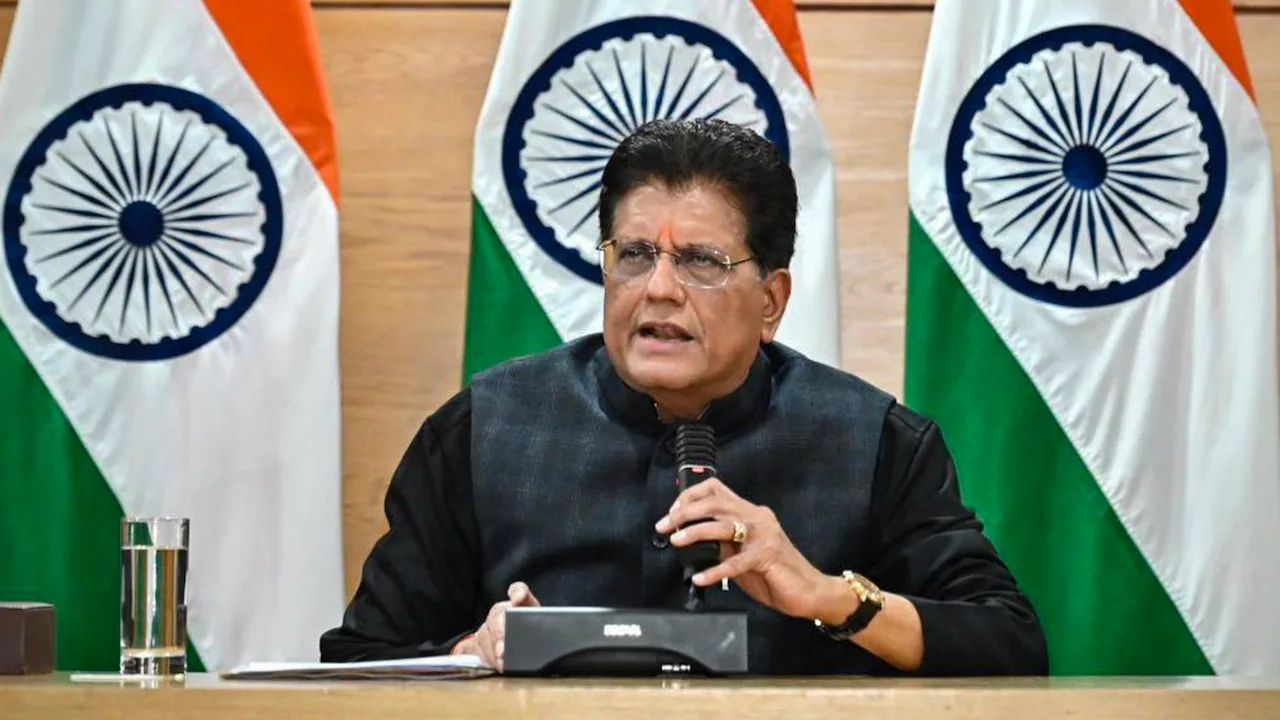
Union Commerce Minister Piyush Goyal announced on June 4, 2026, that India will bring two to three free trade agreements into force within six months, with up to four more coming in 2027. This aggressive trade expansion aims to push national exports to $1 trillion by the end of the fiscal year.
MUMBAI — Accelerating its strategic integration into the global economy, the Government of India has announced an ambitious structural timeline to bring multiple high-value Free Trade Agreements (FTAs) into formal operation over the next eighteen months. Speaking virtually at the Citi India Conference 2026 on Thursday, June 4, 2026, Union Minister of Commerce and Industry Piyush Goyal confirmed that India will implement at least two to three major free trade pacts within the coming six months. This rapid trade expansion will be followed by the execution of another three to four significant bilateral trade agreements in 2027. The phased implementation plan marks a decisive transition from protracted diplomatic negotiation to active commercial execution, providing domestic manufacturers, agricultural exporters, and professional service sectors with preferential, lower-tariff access to some of the world's highest-income consumer markets.
Strategic Shift Drives Nine Trade Agreements in 42 Months
According to official briefings from the Ministry of Commerce and Industry, India has finalized a total of nine free trade agreements over the past three and a half years. This aggressive diplomatic campaign reflects a major change in how New Delhi engages with foreign trading blocs, choosing to negotiate from a clear position of macroeconomic strength.
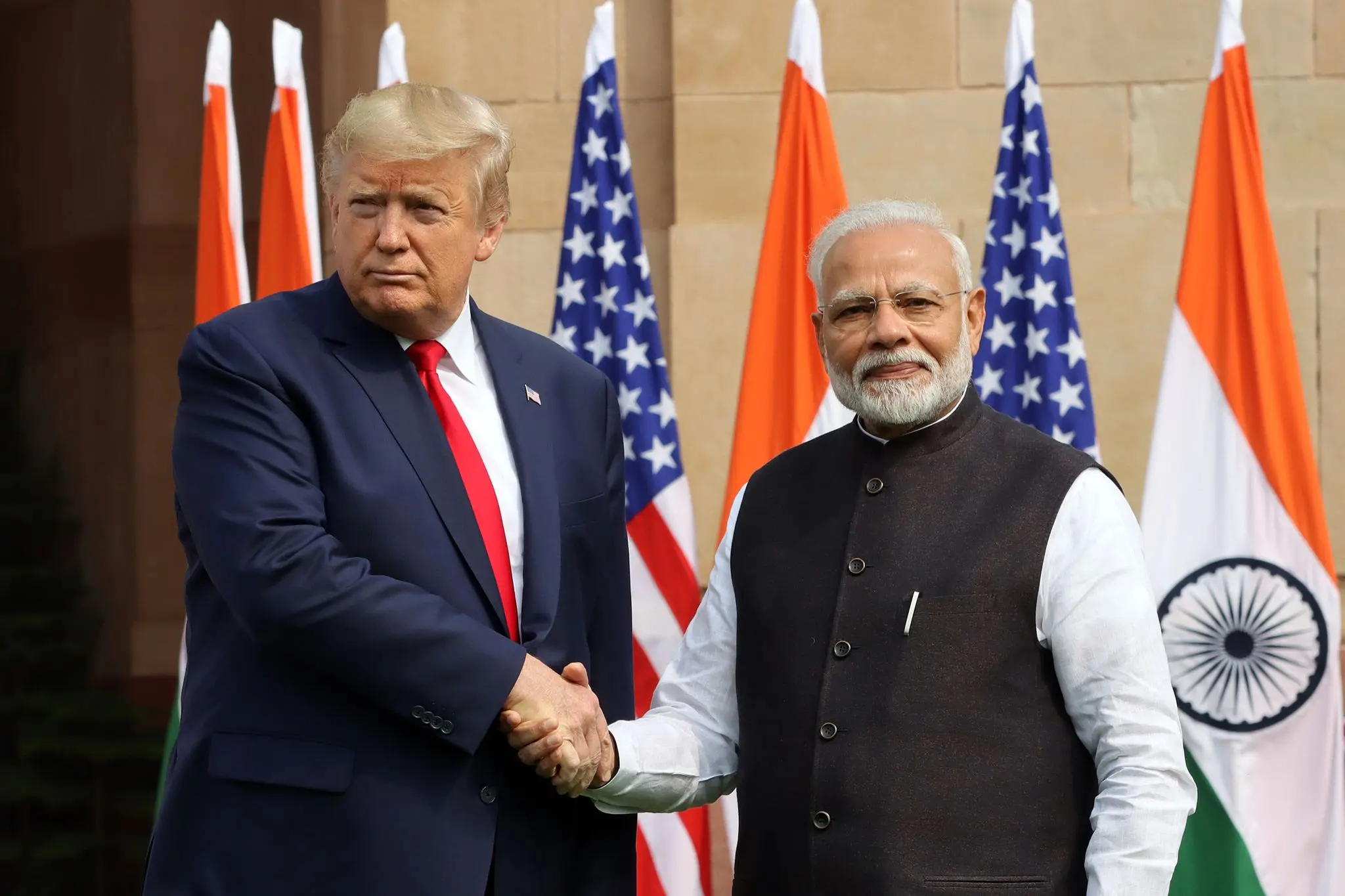
The comprehensive portfolio includes pacts signed with Mauritius, the United Arab Emirates, Australia, Oman, the European Free Trade Association (EFTA), New Zealand, the United Kingdom, the European Union, and the United States. Following the formal activation of the landmark India-Oman FTA on June 1, 2026, the ministry is shifting its resources toward completing outstanding international ratifications to turn signed papers into operational shipping realities before the close of the current fiscal year.
Scaling Cross-Border Shipments to Hit One Trillion Dollars
The structured rollout of new trade agreements is directly tied to the federal government’s core economic targets. Data compiled by the Department of Commerce reveals that India's total goods and services exports reached an all-time record of $863.11 billion in the fiscal year ending March 2026, despite significant headwinds from international shipping disruptions and elevated foreign tariffs.
To hit the government's target of $1 trillion in annual exports by the end of the 2027 fiscal year, the country needs an incremental export expansion of approximately $137 billion. Goyal noted that while merchandise exports grew marginally to $441.78 billion last year, services exports surged by 8.71 percent to hit a record $421.32 billion. The upcoming trade pacts are explicitly designed to secure broader legal access for India’s 525,000 chartered accountants, tech consultants, and medical professionals across foreign borders.
Supply Chain Realignment Safeguards Energy Flows
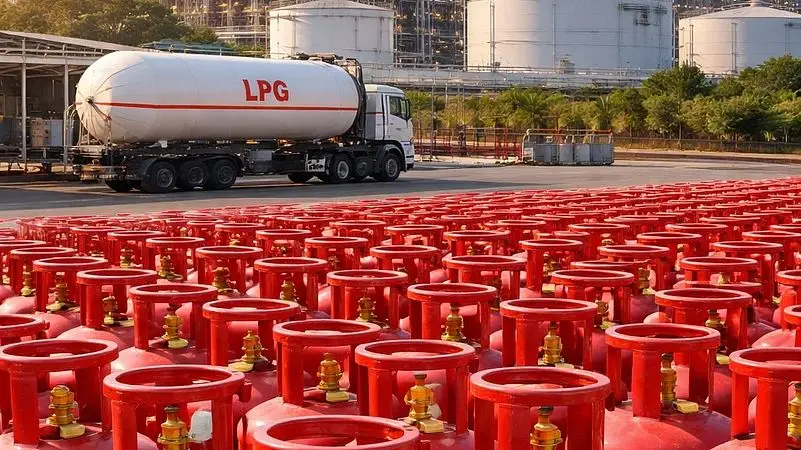
Beyond expanding outbound export volumes, the commerce ministry emphasized the strategic importance of these agreements in protecting the domestic economy from international geopolitical shocks. Reviewing the recent volatile trade environment in West Asia, Goyal highlighted that India’s targeted trade diplomacy helped insulate local businesses and consumers from steep energy spikes and commodity shortages.
By proactively realigning supply channels, diversifying importing routes away from high-conflict chokepoints, and using preferential trade conditions with partners like the UAE and Oman, the country successfully stabilized domestic fuel costs. This supply chain stability ensured an uninterrupted flow of essential raw fertilizers to agricultural communities, keeping food price inflation well below global averages.
"On the 1st of June, the Oman-FTA came into effect. In the coming six months, you will see at least two or three more very substantive free trade agreements coming into effect. Over the next year, you will see us executing at least another three or four significant free trade agreements and the coming into effect of all the nine free trade agreements over the next nine to ten months. Industry should invest long-term capital as the early capital will obviously get the best of returns."
Official Sources Section
The trade statistics, implementation timelines, and treaty ratifications presented in this international commerce report are verified by formal press releases from the Press Information Bureau (PIB), statutory foreign trade ledgers published by the Department of Commerce, and transcripts from the Citi India Conference 2026 corporate assembly.
Why It Matters
The rapid rollout of India’s free trade agreements marks a turning point for domestic businesses, corporate investors, and manufacturing networks. For small and medium enterprises (MSMEs), the lowering of inbound and outbound tariff walls opens immediate, higher-margin supply options across 38 developed economies without the risk of being undercut by competing markets. For international asset managers, Goyal's clear timeline provides a reliable framework for deploying long-term capital into Indian electronics, automotive components, and pharmaceutical infrastructure. By opening global market access for its massive professional services workforce, India is effectively utilizing its young demographic base to counter global inflationary pressures, securing its path to becoming the world's third-largest economy.
Key Facts at a Glance
Accelerated Timeline: India will bring two to three substantive free trade agreements into full force over the next six months, followed by up to four more in 2027.
Oman Deal Active: The India-Oman Free Trade Agreement officially entered into force on June 1, 2026, easing trade flows along the vital Arabian Sea maritime corridor.
Export Milestone: The trade push aims to bridge the $137 billion gap needed to lift India's total cross-border shipments from $863.11 billion to $1 trillion by FY27.
Services Growth Core: The upcoming agreements prioritize legal recognition and visa pathways for India's rapidly growing base of over 5.25 lakh financial and IT professionals.
Capital Protection: The agreements include strict structural clauses designed to shield India's agricultural base, dairy farmers, and domestic MSME groups from zero-duty import dumping.
FAQ Section
Which free trade agreements are set to become operational next?
Following the activation of the Oman pact on June 1, 2026, the agreements with the United Kingdom and New Zealand are in their final ratification phases and are expected to enter into full force within the next six months.
How do these trade agreements protect small Indian manufacturers from cheap imports?
The Ministry of Commerce builds strict exclusion lists and specific rules of origin into all negotiated text frameworks. This ensures sensitive sectors like dairy, farming, and local MSME manufacturing are fully protected from foreign import dumping.
What are the main drivers behind India's recent record export performance?
While merchandise exports stabilized at $441.78 billion, India's services sector grew by 8.71 percent to reach $421.32 billion in the last fiscal year, fueled by strong global demand for specialized IT solutions, business architecture, and professional services.
Is India planning free trade discussions with any other global regions?
Yes. Beyond the nine core treaties currently being implemented, the government is actively holding trade discussions with Chile, the Maldives, Israel, Canada, the Gulf Cooperation Council (GCC), and the Eurasian Economic Union.
Source: Official trade notifications published by the Ministry of Commerce and Industry, ministerial transcripts distributed via the Press Trust of India (PTI), and macro-economic reviews archived by the Press Information Bureau, New Delhi.