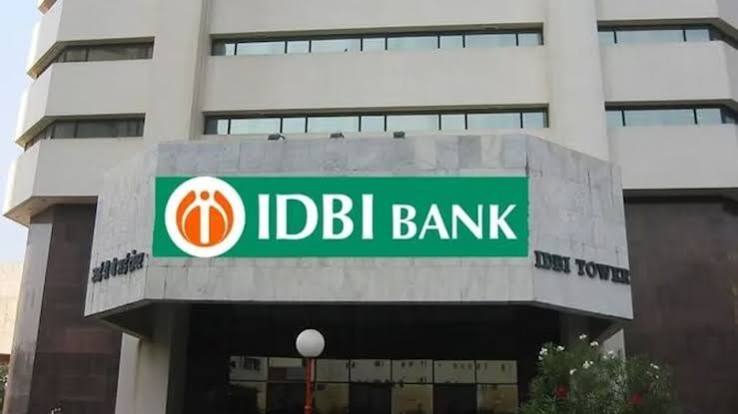
The Indian government is nearing a $5.7 billion deal to sell a majority stake in IDBI Bank to Fairfax Financial Holdings. The transaction, pending final regulatory and cabinet approvals, marks a significant step in the privatization of state-run lenders and is expected to conclude within the next month.
MUMBAI — The Indian government is nearing the final stages of a strategic disinvestment of IDBI Bank, with Fairfax Financial Holdings emerging as the frontrunner to acquire a controlling interest. According to reports, the government and the Life Insurance Corporation of India (LIC) are evaluating sweetened financial bids from the Canadian conglomerate and Dubai-based Emirates NBD, with a formal decision expected within the next 30 days.
This potential $5.7 billion transaction represents a significant milestone in India’s efforts to pare state ownership in the banking sector. Should the deal proceed, it would rank among the largest foreign investments in the country's banking history, marking a shift toward greater private sector participation.
Advancing the Privatization Mandate
The disinvestment process, which has been in motion for several years, regained momentum in July 2026 after earlier bids failed to meet the government’s internal reserve price. A high-level group of bureaucrats met on July 13 to assess the updated offers, signaling an urgent push to conclude the sale.
The proposed transaction involves the sale of a combined 60.72% stake currently held by the government (30.48%) and LIC (30.24%). While Fairfax Financial, led by billionaire Prem Watsa, is reportedly in the lead, the final outcome remains subject to rigorous review.
Regulatory and Strategic Hurdles
Despite the progress, several layers of approval remain before the deal can be finalized. The winning bidder must clear the "fit and proper" criteria established by the Reserve Bank of India (RBI) and receive final approval from the Indian Cabinet and the Competition Commission of India (CCI).
For customers, the transition to private ownership is designed to be seamless. Financial experts note that under existing RBI regulations, the change in ownership does not alter existing deposit terms, loan contracts, or interest rates. Retail deposits remain protected under the Deposit Insurance and Credit Guarantee Corporation (DICGC) framework, ensuring continuity of service.
Official Sources and Statements
Government officials have emphasized the importance of the sale as part of a broader strategy to improve economic efficiency and allocate capital more effectively.
"Organizers stated that the focus remains on ensuring a transparent and rigorous evaluation of all financial bids to protect the interests of all stakeholders," according to reports on the high-level bureaucratic discussions held in mid-July.
Why It Matters
A successful sale of IDBI Bank would serve as a landmark case for the feasibility of large-scale bank privatization in India. By offloading a major state-backed lender to a global entity, the government aims to reduce its fiscal burden while injecting professional management and fresh capital into the institution. The valuation established by this deal is also expected to set a new benchmark for other mid-tier public sector banks on the disinvestment list.
Key Facts at a Glance
Total Stake for Sale: 60.72% (combined from the Government of India and LIC).
Estimated Deal Value: Approximately $5.7 billion, based on prevailing market valuations.
Final Bidders: Fairfax Financial Holdings and Emirates NBD.
Timeline: A final decision on the winning bidder is anticipated within 30 days, by mid-August 2026.
FAQ
What happens to my deposits if IDBI Bank is privatized?
Your deposits, interest rates, and loan terms remain unchanged. Privatization is a change in ownership, and the bank continues to operate under strict RBI regulation.
Will the government completely exit IDBI Bank?
No, the government and LIC are expected to retain a minority stake (approximately 15% and 19% respectively) post-sale, according to current divestment plans.
Why is this deal taking so long?
The process has involved complex price discovery and rigorous regulatory assessments, including the "fit and proper" criteria, to ensure the long-term stability of the bank.
Source: Retail Banker International, India IPO, The Economic Times (CFO), Financial Express