US senators have introduced bipartisan legislation to sanction Russia, identifying India and China as major targets for potential tariffs on energy imports. The bill, supported by President Trump, aims to squeeze Moscow's war economy while offering flexibility for allies. It remains subject to Senate and House approval before potentially becoming law.
WASHINGTON — A bipartisan group of U.S. senators unveiled a revised Russia sanctions bill on Tuesday that identifies India, China, and three other nations as potential targets for new tariffs due to their ongoing purchase of Russian oil and natural gas. The development marks a significant escalation in U.S. efforts to curtail the revenues sustaining Russia’s military campaign in Ukraine.
The legislation, widely viewed as a tribute to the late Senator Lindsey Graham, has gained formal backing from the Trump administration. While earlier iterations of the bill floated the possibility of 500% tariffs, the updated proposal narrows the scope to ensure broader political support and minimize damage to U.S. allies.
Legislating Economic Pressure
The proposed "Sanctioning Russia Act" aims to target the financial lifeblood of the Kremlin’s war effort by placing economic pressure on the world's largest purchasers of Russian energy. Under the revised framework, the President would be granted authority to impose tariffs of up to 100% on the top five importers of Russian crude oil and natural gas.
Current data identifies the top five crude oil purchasers as China, India, Slovakia, Hungary, and Azerbaijan. A similar list for natural gas includes China, France, Belgium, Japan, and Hungary. However, the bill includes a strategic carve-out: countries importing less than 15% of their natural gas from Russia that are actively reducing their dependence may be exempted from these penalties.
Shifts in Strategy and Scope
The current version of the bill is the result of months of negotiation between Senate leadership, Democratic and Republican sponsors, and the White House. Senator Richard Blumenthal, a lead sponsor, emphasized that the legislation goes beyond simple tariffs, including full blocking sanctions on major Russian sectors—including defense, finance, and energy—as well as targeting Russian leadership and the "shadow fleet" of tankers used to bypass existing trade restrictions.
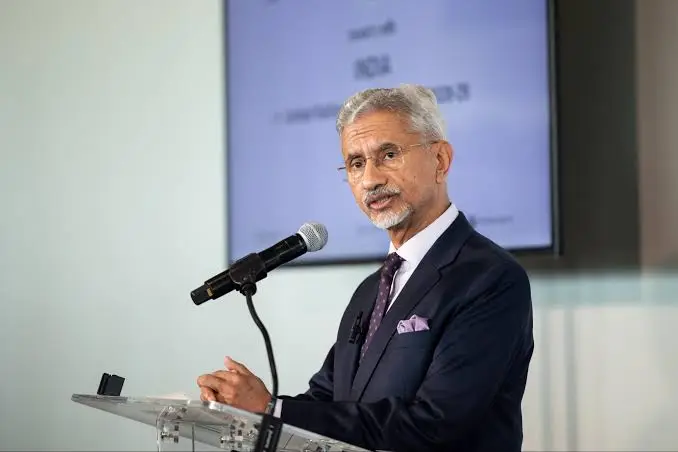
The move comes at a sensitive time for India, which has faced mounting pressure from Washington to decrease its reliance on discounted Russian crude. Despite the geopolitical friction, New Delhi has consistently defended its energy imports as a matter of national economic interest and energy security, arguing that its market participation helps stabilize global energy prices.
Official Sources
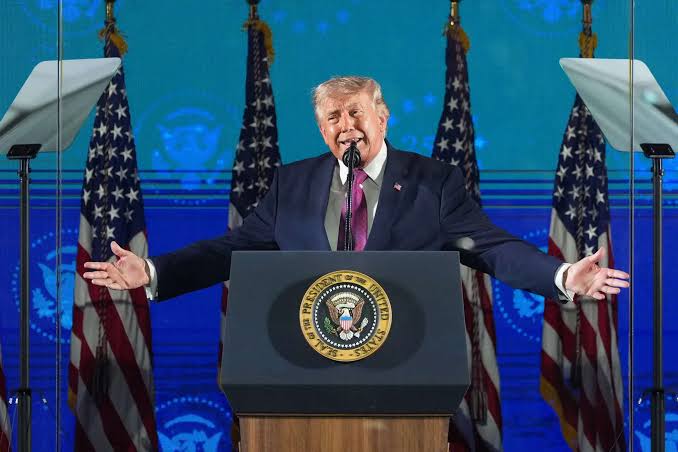
The White House confirmed President Donald Trump’s support for the legislation following inquiries regarding its impact on India and other major energy buyers. "President Trump supports the bill," a White House official stated.
Legislative sponsors, including Senators Roger Wicker, Jeanne Shaheen, and Katie Britt, have framed the bill as a necessary step to honor the legacy of Senator Lindsey Graham, who spent more than a year spearheading the effort before his sudden death last week.
Why It Matters
For global markets and the international energy trade, the bill introduces significant uncertainty. Should it be enacted, it would be the first time Congress has explicitly authorized the use of tariffs as a geopolitical weapon to punish countries for financing a third-party war effort. For businesses, the potential for 100% tariffs on key imports represents a major shift in trade policy that could force a rapid reassessment of global supply chains and energy procurement strategies.
Key Facts at a Glance
Targeted Nations: The bill identifies China, India, Slovakia, Hungary, and Azerbaijan as the primary targets for potential oil-related tariffs.
Tariff Cap: The revised legislation caps the potential tariff threat at 100%, significantly lower than previous 500% proposals.
Exemptions: Countries importing less than 15% of their natural gas from Russia and demonstrating progress in reducing these imports may qualify for exemptions.
Scope: Beyond energy tariffs, the bill imposes broad blocking sanctions on Russian financial institutions, defense sectors, and political leadership, including President Vladimir Putin.
FAQ
Will India definitely face a 100% tariff?
Not necessarily. The bill grants the President the authority to impose tariffs, but the final rate would be determined by the U.S. Trade Representative and is not fixed at 100% in the legislation.
Is there a way for countries to avoid these sanctions?
Yes, the bill includes waiver authority for the President and specific exemptions for countries that rely on Russian natural gas for less than 15% of their total supply if they are actively reducing those imports.
What is the current status of the bill?
The bill has been formally unveiled in the Senate and enjoys bipartisan support. It must still navigate procedural hurdles in the Senate and secure passage in the House of Representatives before reaching the President’s desk.
Source: ANI News, Times of India, CBS News, TIME