EAC-PM Chairman Mahendra Dev stated that India must maintain an annual growth rate of 7 to 8 percent to achieve "Viksit Bharat" status by 2047. Speaking in New Delhi, he emphasized that this trajectory depends heavily on a revival in private sector investment and expanded global exports.
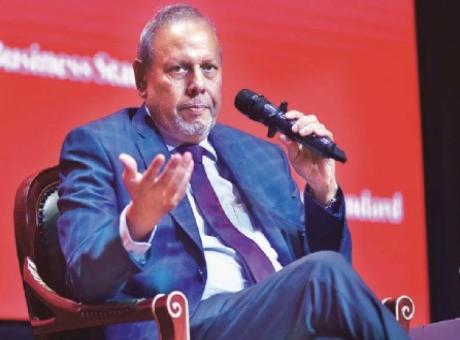
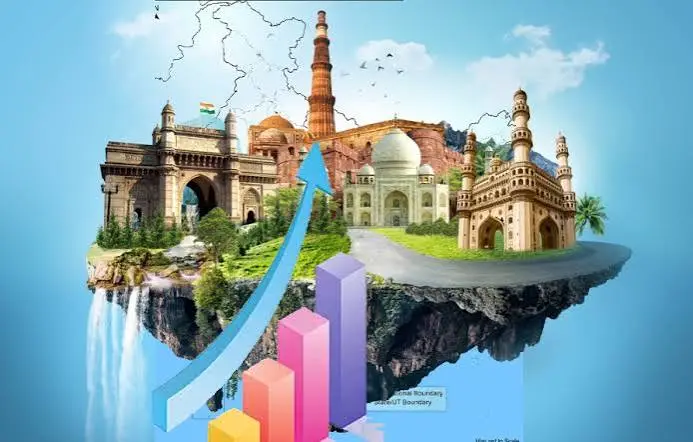
NEW DELHI — India requires a sustained annual economic growth rate of 7 to 8 percent over the next two decades to achieve its strategic goal of transforming into a developed nation, or "Viksit Bharat," by 2047. Speaking at an industrial conference in New Delhi on Tuesday, June 23, 2026, Mahendra Dev, Chairman of the Economic Advisory Council to the Prime Minister (EAC-PM), stated that reaching this milestone hinges entirely on a significant revival in private sector investments alongside an aggressive export push.
Addressing media representatives and industry delegates on the sidelines of the Federation of Indian Chambers of Commerce and Industry (FICCI) India Innovative Crop Nutrition Conclave 2026, Dev explained that while public infrastructure spending has anchored the economy through recent global disruptions, a structural handoff to private capital is now essential. He emphasized that the structural reforms implemented over recent fiscal cycles have successfully established a resilient macroeconomic foundation, but maintaining the required momentum demands immediate competitive upgrades across the domestic manufacturing and trade sectors.
Redefining Self-Reliance and Global Trade Integration
A core component of the chairman's brief focused on clarifying the strategic intent behind the government's flagship domestic policy frameworks. Dev emphasized that the "Atmanirbhar Bharat" (Self-Reliant India) initiative should not be misinterpreted by market participants as a protectionist retreat from global trade or a return to legacy import substitution models.
Instead, the advisory council head clarified that the policy is designed to heighten internal market competition and elevate the quality of domestic goods to match international standards. The government has identified a specific baseline list of 100 industrial items where domestic production capabilities are being aggressively scaled to naturally substitute vulnerable foreign dependencies.
According to Dev, the strategy is built on leveraging India's core structural strengths:
The Demographic Dividend: Utilizing the expanding, young labor force to power output across high-growth manufacturing sectors.
Technological Sophistication: Deploying digital advancements and technical skills to optimize efficiency inside local global capability centers.
Global Quality Metrology: Aligning domestic product metrics to enhance international export volumes rather than relying on protected local consumption.
Macroeconomic Outlook and Geopolitical Resilience
The EAC-PM's growth projections factor in persistent external headwinds, including prolonged geopolitical conflicts in West Asia and evolving weather anomalies tied to localized El Niño patterns. Despite these risks, Dev expressed strong confidence in the country's institutional buffer mechanisms, which have been systematically upgraded using emergency response frameworks developed since 2020.
Regarding immediate macroeconomic metrics, the chairman noted that he aligns closely with the latest baseline projections issued by the Reserve Bank of India (RBI). The current consensus forecasts a real GDP expansion of 6.6 percent alongside a CPI inflation target of 5.1 percent for the ongoing cycle. Dev confirmed that India maintains extensive strategic pulse and grain reserves, which are currently sufficient to insulate domestic retail consumers from sudden food inflation spikes.
Fiscal Relief in the Agricultural Sector
On the agricultural front, Dev highlighted a vital shift away from traditional chemical inputs as a key policy focus for the administration. The council is advising a structured increase in alternative agricultural practices, specifically organic and natural farming, to systematically manage the overall consumption and reduce the fiscal burden of state-backed fertilizer subsidies.
This domestic transition is currently supported by favorable movements in global commodity markets. Dev stated that international urea prices have dropped significantly from a peak of $900 per tonne down to approximately $450 per tonne. This sharp pricing decline provides immediate fiscal relief to the exchequer, lowering the government's overall subsidy expenditure and freeing up public capital for high-priority rural development projects.
Official Sources Section
The economic data, policy clarifications, and structural growth targets outlined in this report are based on official briefings delivered at the Federation of Indian Chambers of Commerce and Industry and verified macroeconomic projections maintained by the Economic Advisory Council to the Prime Minister.
Quote Section
"We need 7% to 8% growth for Viksit Bharat, and we need investment for that. So, private sector investment is equally important, and export growth is also important... Atmanirbhar Bharat doesn't mean import substitution, but we are basically saying that the domestic competition should increase the quality of the products so that we can export more."
— Mahendra Dev, Chairman of the EAC-PM, speaking to reporters in New Delhi.
Why It Matters
For global investors, corporate institutions, and domestic citizens, the economic road map detailed by the EAC-PM underscores a shifting fiscal strategy. To sustain a 7 to 8 percent growth trajectory, policy priorities are moving from state-funded infrastructure toward creating a highly competitive, export-oriented industrial ecosystem. Success in this area will dictate the pace of high-quality employment generation and real income growth across the country over the next two decades.
Key Facts at a Glance
Growth Target: India requires a sustained 7 to 8 percent annual real GDP growth rate to achieve developed status by 2047.
Core Pillars: Reviving private sector capital expenditure (capex) and driving strong export performance are critical requirements.
Trade Policy: Atmanirbhar Bharat is officially defined as a quality-enhancement strategy for global exports, not a protectionist import ban.
Subsidy Relief: International urea prices falling to $450 per tonne will significantly reduce the government's chemical fertilizer subsidy burden.
Macro Projections: The EAC-PM backs the RBI’s baseline targets of 6.6 percent GDP growth and 5.1 percent inflation amid global geopolitical risks.
FAQ Section
Q: What specific economic growth rate does India need to reach the Viksit Bharat milestone? A: According to the EAC-PM Chairman, the nation must maintain a consistent annual real GDP growth rate of 7 to 8 percent between now and the target year of 2047.
Q: Does the self-reliant policy mean India will stop importing foreign products? A: No. Chairman Mahendra Dev explicitly clarified that the policy framework does not mean import substitution. The objective is to increase domestic competition and product quality so Indian businesses can export more effectively to global markets.
Q: How is the government planning to manage food inflation risks? A: The government has secured adequate national food and pulse reserves to stabilize domestic prices, helping counter external supply chain shocks caused by international conflicts or weather patterns.
Source: Economic Advisory Council to the Prime Minister, FICCI India Portal.