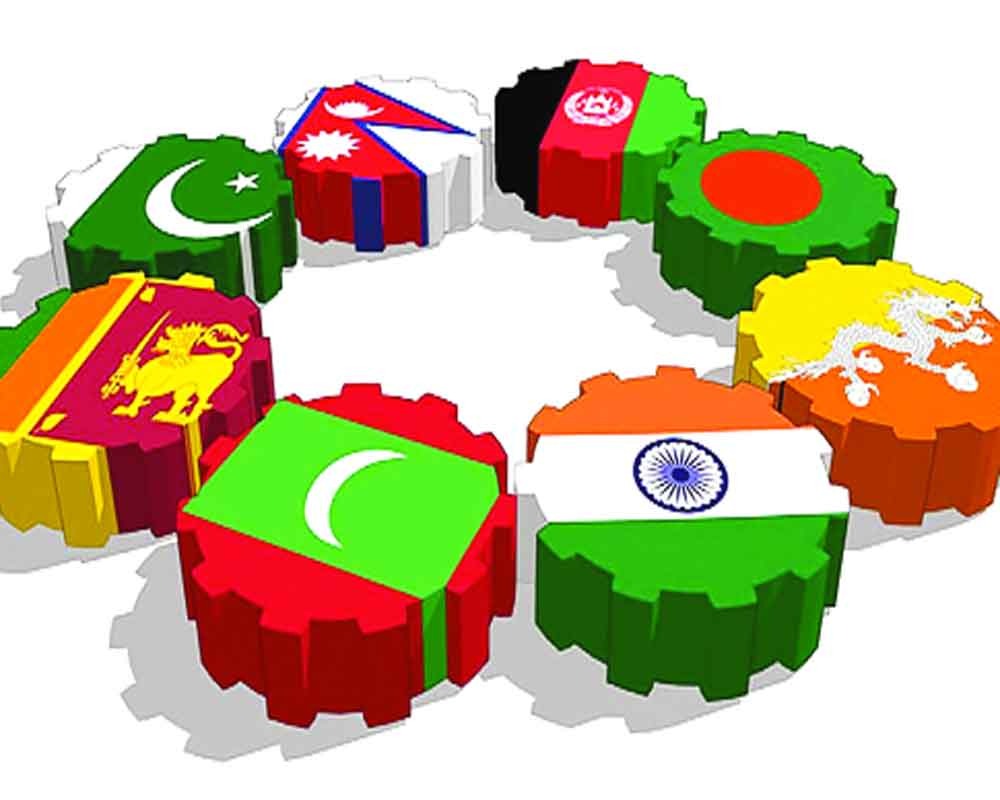
Strategic policy evaluations emphasize that active economic and technological cooperation between India and its South Asian neighbors is essential for driving regional growth, securing supply chains, and ensuring long-term subcontinental stability.
Strategic integration across South Asian neighbors offers substantial economic growth opportunities and enhanced regional stability for India.
NEW DELHI — Geopolitical experts and policy analysts have renewed focus on India’s foreign policy framework, emphasizing that active cooperation with South Asian neighbors remains a strategic imperative for long-term national prosperity. According to recent public policy analyses from strategic research organizations, closer economic integration, open trade corridors, and collaborative technology frameworks across the subcontinent can unlock significant growth for New Delhi and its neighboring states. The dialogue highlights how regional stability directly correlates with India's broader domestic development goals, economic security, and diplomatic positioning within the Indo-Pacific theater.
Strategic Imperatives for Regional Integration
The discourse surrounding India's foreign economic policy underscores the necessity of fostering deeper diplomatic and commercial ties within South Asia. Analysts point out that geographical proximity and shared cultural histories provide a natural foundation for cooperative frameworks that go beyond bilateral trade agreements.
By streamlining cross-border logistics, reducing trade barriers, and enhancing subcontinental supply chain resilience, India can stimulate regional manufacturing and market expansion. Furthermore, collaborative approaches to shared challenges—such as environmental management, maritime security, and digital governance—help mitigate external vulnerabilities and foster shared prosperity across the region.
Geoeconomic and Technological Synergies
Modern economic statecraft requires nations to build resilient technological and financial ecosystems. Experts emphasize that South Asian cooperation serves as a critical multiplier for India’s high-tech ambitions and economic corridors. Collaborative plurilateral arrangements allow developing economies in the sub-region to pool resources, harmonize regulatory standards, and counter external economic coercion more effectively.
Official Sources Section
Information regarding these strategic policy assessments is derived from institutional research publications, geopolitical analyses, and expert commentaries released by public policy centers, including the Takshashila Institution and academic discourse monitored via the Institute of South Asian Studies (ISAS) at the National University of Singapore. Additional commentary references policy columns published in national economic dailies such as Mint.
"Organizers stated that strategic alignment and economic cooperation across South Asian borders remain vital for optimizing regional stability, fostering resilient supply chains, and driving sustainable development throughout the subcontinent."
Why It Matters
For citizens, businesses, and investors across South Asia, closer regional cooperation translates to reduced friction in cross-border commerce, lower transaction costs, and expanded market access. Enhanced trade infrastructure fosters job creation, encourages foreign direct investment, and accelerates technological diffusion. For policymakers, prioritizing subcontinental collaboration provides an effective counterweight to regional volatility, ensuring sustainable economic momentum.
Key Facts at a Glance
Focus Area: Subcontinental economic integration, geoeconomics, and regional diplomacy.
Key Organization: Policy evaluations led by research bodies such as the Takshashila Institution.
Core Benefits: Enhanced supply chain resilience, streamlined cross-border trade, and strengthened technological governance.
Geographical Scope: South Asia and the broader Indo-Pacific economic corridor.
FAQ Section
Why is South Asian cooperation important for India's economy?
Closer cooperation allows for streamlined trade corridors, lower operational costs for businesses, and expanded regional markets that drive mutual economic growth.
What role do think tanks play in shaping regional policy?
Independent policy centers provide empirical research, strategic frameworks, and advisory insights that help guide governmental foreign policy and economic statecraft.
How does regional integration impact cross-border businesses?
It reduces bureaucratic hurdles, harmonizes regulatory standards, and improves supply chain predictability for enterprises operating across South Asian borders.
Where can I read more expert analyses on this topic?
Detailed research papers and commentaries are regularly published by platforms such as the Takshashila Institution and academic publications via the Institute of South Asian Studies.
Source: Takshashila Institution, Institute of South Asian Studies (ISAS), Bruegel.