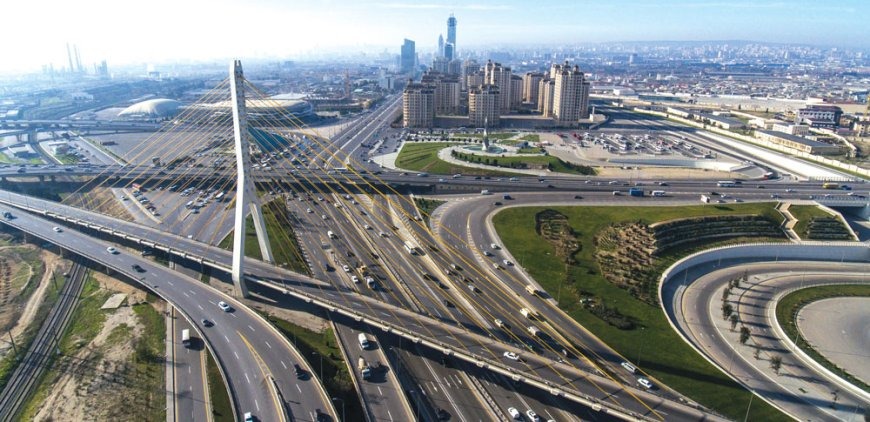
India’s national highway network has expanded 61% since 2014, reaching 1.46 lakh km as part of the "Viksit Bharat 2047" vision. Through initiatives like Bharatmala Pariyojana, the government is modernizing logistics, boosting economic growth, and integrating sustainable construction practices to build a globally competitive and resilient transportation ecosystem.
NEW DELHI — Over the past twelve years, India has undergone a profound transformation in its road infrastructure, evolving into a backbone for national economic integration. Under the "Viksit Bharat 2047" vision—an ambitious roadmap to transform India into a developed, self-reliant, and globally competitive economy—the Ministry of Road Transport and Highways (MoRTH) has prioritized the development of world-class road networks to drive growth, connectivity, and logistics efficiency.
Data from the Ministry indicates that India’s National Highway network has expanded by approximately 61% since 2014, growing from 91,287 km to over 1.46 lakh km by early 2026. This achievement has solidified India's position as the owner of the world’s second-largest road network, trailing only the United States.
Bharatmala Pariyojana: Redefining Logistics
Central to this infrastructure drive is the Bharatmala Pariyojana, a flagship program launched in 2017 designed to optimize the movement of freight and passengers across the country. With a focus on economic corridors, border and coastal roads, and port connectivity, the initiative seeks to bridge regional disparities and unlock economic potential in formerly isolated areas.
As of March 2026, the program has made significant strides, with 22,590 kilometers of corridors already constructed. Iconic expressways—such as the Delhi–Mumbai, Delhi–Meerut, and the newly operational Ahmedabad–Dholera Expressway—have drastically reduced transit times, lowered fuel consumption, and strengthened supply chain resilience.
Economic and Social Impact
Government reports highlight that every rupee invested in highway development yields a threefold return to the GDP. Beyond the macro-economic benefits, the infrastructure expansion has served as a massive job creator. Recent figures suggest that road projects have generated billions of man-days of employment—direct, indirect, and induced—offering livelihoods to citizens across various sectors.
Furthermore, the "Viksit Bharat" roadmap emphasizes that these roads are more than just transport arteries; they are "lifelines of progress." The integration of sustainable practices, such as the use of plastic waste and fly ash in construction, alongside the development of eco-sensitive engineering (like the elevated wildlife corridor on the Delhi–Dehradun route), reflects a commitment to balancing infrastructure growth with environmental stewardship.
Quote Section
"According to officials, the construction of more highways is pivotal to achieving the vision of Viksit Bharat by 2047. Organizers stated that the government is not just building roads; it is laying the foundation for a prosperous, peaceful, and resilient Bharat by connecting people, industries, and opportunities through an unprecedented scale of highway construction."
Why It Matters
The transformation of India's highway landscape is critical to the nation's 2047 vision. By reducing logistics costs—which currently remain a challenge for the domestic economy—and improving rural-to-urban connectivity, the highway network acts as a multiplier for economic activity. For businesses, it means faster market access; for citizens, it translates to safer, more comfortable travel and improved access to essential services like healthcare and education.
Key Facts at a Glance
Network Growth: National Highway length increased from 91,287 km in 2014 to 1,46,572 km by 2026.
Construction Pace: The speed of highway construction has risen from approximately 11.6 km/day in 2013-14 to nearly 34 km/day.
Bharatmala Progress: Out of a 34,800 km target, 22,590 km have been completed as of March 2026.
Sustainability: Over 80 lakh tonnes of plastic waste and significant quantities of fly ash have been incorporated into major highway projects.
FAQ
What is the significance of the Viksit Bharat 2047 vision for road transport?
It envisions a developed India with world-class, sustainable, and inclusive infrastructure that serves as the backbone for a $30 trillion economy.
How is the government managing the environmental impact of highway construction?
The Ministry is adopting "Green Highways" policies, including planting millions of trees, utilizing recycled industrial waste like fly ash and plastic, and designing eco-sensitive wildlife crossings.
How has the highway network expansion affected logistics?
The rollout of high-speed, access-controlled expressways has significantly reduced travel times and fuel consumption, facilitating faster freight movement between industrial hubs.
Official Sources